![10th Aug: Food Swaps (2026), 3 Seasons [TV-MA] – New Episodes (6/10)](https://occ-0-772-1001.1.nflxso.net/dnm/api/v6/0Qzqdxw-HG1AiOKLWWPsFOUDA2E/AAAABfQEg23-Mxaw8JLF9WFPRja76r3IYojWx83YwVk-ol5tykhfRP7dB-M7XeFAadPgA5vEaXsk_j8J6QFoaZ_TmVcg5dAbMKY8kyzC_WMgJuBn7xvRBc4x0gpv4jUIl_Q5avvYHHFX1_ZXX2_gxbY76FsChkCX3hh2Xy8wYXMP.jpg?r=e83 "10th Aug: Food Swaps (2026), 3 Seasons [TV-MA] – New Episodes (6/10)")
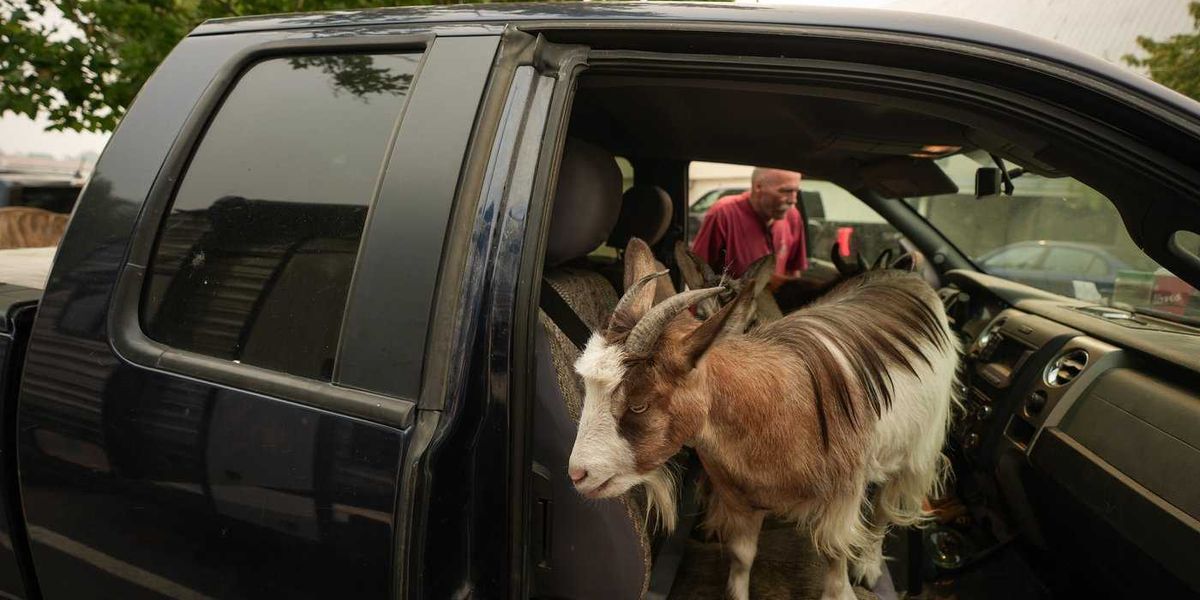




Nicolette Larson’s “Lotta Love” has a whole lotta fascinating backstory. Not only did the 1978 song, written the legendary Neil Young, become Larson’s first solo hit, taking the 26-year-old singer to No. 1 on Billboard‘s Adult Contemporary chart, but it might have never happened had she not found the song on the floor of Young’s pickup truck.
Released on her debut studio album, Nicolette, in September 1978, then a month later as a single, “Lotta Love” has been called a “kitchen sink” song, as it features a massive production of horns, strings, and soaring vocals. Jazz saxophonist Plas Johnson even lays down a flute solo before Memphis Horns‘ Andrew Love delivers on the sax.
It’s a lot, but it all worked.
The track reached No. 8 on the Billboard Hot 100 and No. 1 on the outlet’s AC chart the following year in February. The song also became the highest-ranked yacht rock song by a woman, landing at No. 29 on BroadwayWorld’s comprehensive list of best yacht rock songs—a massive feat for a woman in a male-dominated genre.
Behind the notes, the song is a wealth of fun facts. First and foremost, it was written by Young himself. Rock history has it that Larson found a copy of “Lotta Love” on the floor of Young’s truck, slipped it into his tape deck, and fell in love with what she heard.
“I got that song off a tape I found lying on the floor of Neil’s car,” Larson said in a 1978 interview, per American Songwriter. “I popped it in the tape player and commented on what a great song it was. Neil said, ‘You want it? It’s yours.’”
Larson, who cut her teeth singing backup for Young, met the Buffalo Springfield and Crosby, Stills, Nash & Young alum a year earlier when Linda Ronstadt recommended Larson to Young as a harmony vocalist.
“I didn’t know much about Neil Young,” Larson said, per American Songwriter. “But we went over and sat by the fireplace, and Neil ran down all the songs he had just written, about 20 of them. We sang harmonies with him, and he was jazzed.”
Together, those songs became Young’s eighth studio album, American Stars ‘n Bars, released in 1977 and featuring one of his greatest songs of all time, “Like a Hurricane.” Larson and Ronstadt, along with Carole Mayedo and Ben Keith, were credited as The Bullets singing backup on the album’s side one.
Months later, Young recruited Larson for his following album, Comes a Time. She fronted his acoustic ensemble, known as the Gone With the Wind Orchestra, and, in doing so, caught the attention of Warner Bros. Records, which signed Larson and paved the way for her solo debut.
Featuring an impressive roster of collaborators—from Little Feat keyboardist Billy Payne and guitarist Paul Barrere, to Ronstadt and Michael McDonald on backing vocals, and Eddie Van Halen on guitar for “Can’t Get Away From You”—Nicolette gave Larson the perfect showcase for her solo hit.
By then, she had already established herself as a sought-after backing and session vocalist, working alongside Emmylou Harris and others. But “Lotta Love” finally put Larson in her own spotlight.
Rolling Stone named Larson Female Vocalist of 1978, with all the attention and fandom helping propel her debut album, which reached No. 15 on the Billboard 200, to Gold certification by the RIAA. The song even transcended borders, with Canada (No. 4), Australia (No. 11), and New Zealand (No. 22) giving it airplay.
Though Larson had trouble replicating the success of “Lotta Love,” she came close with another yacht rock legend, Michael McDonald. The two recorded “Let Me Go, Love” in 1979. The soft rock duet reached No. 35 on the charts.
In the mid-’80s, she crossed over into country and managed several chart-climbers, including her track, “That’s How You Know When Love’s Right,” recorded with Steve Wariner.
Larson passed away in December 1997 from complications of cerebral edema, but her legacy lives on. A two-night tribute concert named after her defining track was held in her honor, with music legends Dan Fogelberg, Joe Walsh, Crosby, Stills & Nash, Carole King, and so many more all performing.
Nearly 50 years later, “Lotta Love” remains the artist’s signature hit and career-launching calling card. And it continues to get a whole lotta love.
Related: 1988 Medley, Which Blended Hits by Peter Frampton and Lynyrd Skynyrd, Sent This Duo to No. 1

![7th Aug: Operation Safed Sagar: The Highest Air Force Mission (2026), 6 Episodes [TV-MA] (6/10)](https://occ-0-487-92.1.nflxso.net/dnm/api/v6/0Qzqdxw-HG1AiOKLWWPsFOUDA2E/AAAABSv9PuJmJ_wFtW3v-HsMhew-Zo0Gj6yQYRVpdKGuKUCzdzxUkY_-9ib1j2YixTdfwYSDg0NoT4QI3F8n6hYzMGKHkc-4GoJgbtWUXKK8LpzyMlzJc-LXrG3x3caalP9i9Y_bh_HVAp9zXj1_fOh2zExa1mZFEYf-qq8mQj_ILzh3mA.jpg?r=98f "7th Aug: Operation Safed Sagar: The Highest Air Force Mission (2026), 6 Episodes [TV-MA] (6/10)")