




![10th Jul: Naruto Shippuden (2017), 12 Seasons [TV-14] – New Episodes (6.55/10)](https://occ-0-4458-2430.1.nflxso.net/dnm/api/v6/0Qzqdxw-HG1AiOKLWWPsFOUDA2E/AAAABSKKCEPXApXDNpga4jPZt6MoHfrKNKJW1lzQ_iGX5hWbSdCoBIB9--IKqfuKbaIMh3Fy3sJLaidt2Oz4Pcmy-UrkcdbizrluecX9GYIqQy4Nl1zje4WMQ_YXW47Q_waBfPROwUiQn1sAdpOXCoU9xnRrRDYcmjKWLyEXGQGHAA.jpg?r=0ea "10th Jul: Naruto Shippuden (2017), 12 Seasons [TV-14] – New Episodes (6.55/10)")



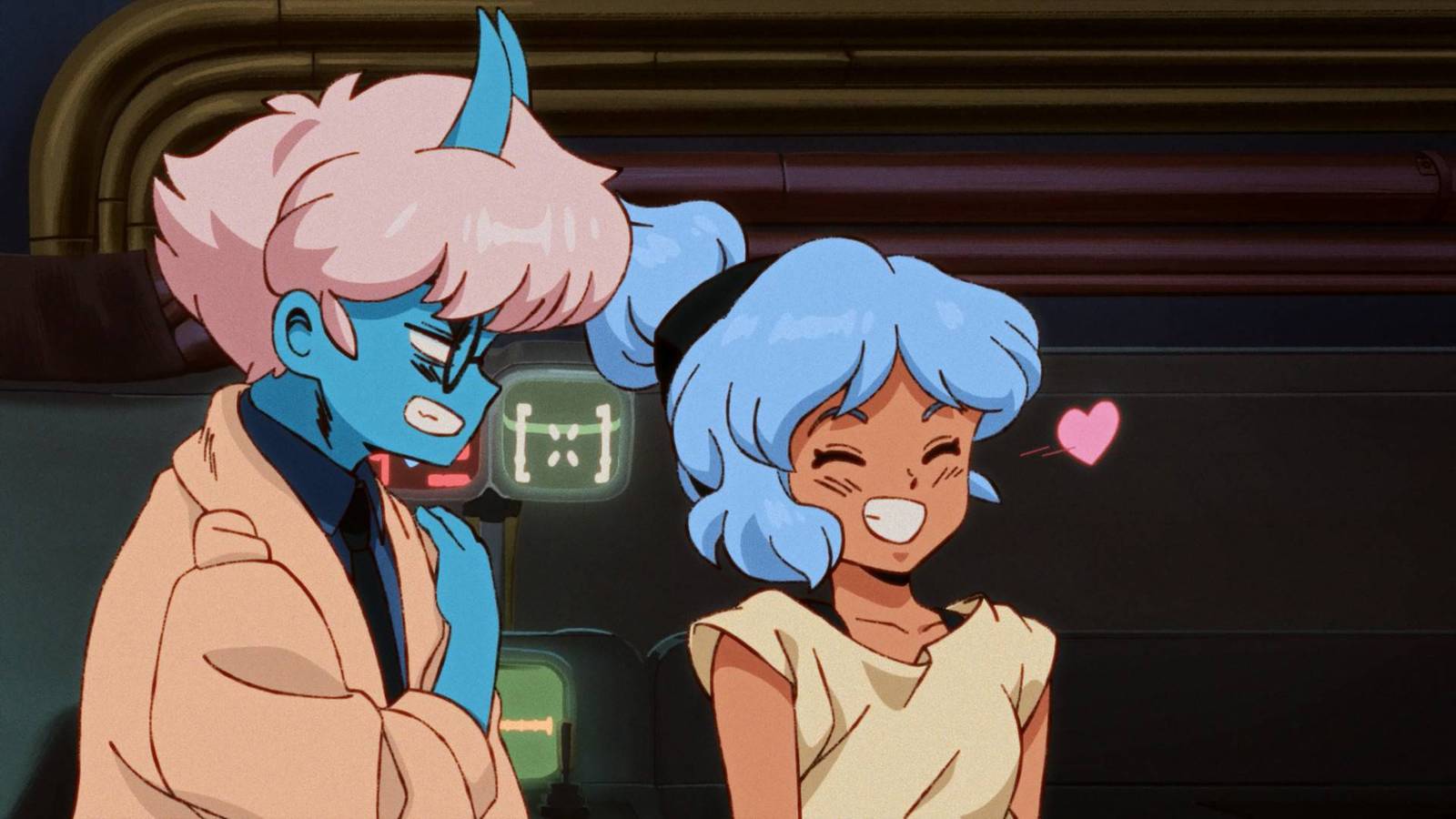
Orbitals immediately won our hearts when it was revealed at The Game Awards last year. A local co-op adventure with a retro anime aesthetic, amid a sea of Unreal Engine 5 trailers, including the infamous Highguard? Count us in. The response online was nothing but positive too, especially after the success of games such as It Takes Two and Split Fiction.
“If you have someone in your life who doesn’t play a lot of video games, but you want to share your passion with them, Orbitals will be the perfect game to do that.” That’s what Shapefarm game director Jakob Lundgren told me in a virtual, hands-off preview earlier this week. He explained that Orbitals is “never too difficult,” because if you die, you respawn pretty much exactly where you were. “Quick to fail, quick to try again,” he explained.
That should sound familiar to anyone who has played the aforementioned two standout local co-op games of the last half-decade. Lundgren spent seven years working at Hazelight, where he contributed to both of those games, alongside the studio’s first co-op release, A Way Out. That DNA is going straight into Orbitals: “I’m trying to bring a lot of the same design and co-op philosophies, while ensuring it has its own identity and feels like a fresh experience,” Lundgren said.
“When we’re making the game, we’re not just focused on what’s happening on the screen,” he continued. “We equally focus on what’s happening on the sofa, between the players. An interesting thing happens when you make this sort of game where people tend to play it with those they enjoy hanging out and having a lot of fun with. So our design philosophy is that if we can get the players to interact with each other and communicate, a lot of fun moments happen on the sofa.”
Asymmetrical co-op is crucial to that experience, namely by giving the two players different tools and mechanics that allow them to work with each other to solve puzzles and progress through levels. Asymmetrical co-op is used in Orbitals in conjunction with simultaneous co-op, which is where both players are always engaging with the game. This is opposed to what he refers to as “stop-start” co-op. For example, if one player must stand on a pressure plate to let their friend through, they’re not interacting with the game, nor the other player, in any meaningful way.
But Lundgren and the team at Shapefarm realize that there’s precious little time to play games together, so one thing he wants to ensure is that Orbitals isn’t too long. He thinks that if players need to schedule “more than three sessions to get through the game, at some point, there’s going to be a session where you won’t be able to make it, then you might not pick the game back up for a while, then you end up never finishing it.”


Where Orbitals stands out from earlier Hazelight co-op titles is in its inspirations. Shapefarm creative director Marcos Ramos says the team wants its debut game to evoke classic anime such as Dragon Ball and Neon Genesis Evangelion. Ramos also says the Bebop from Cowboy Bebop was a direct influence on the Orbitals ship design.
For Ramos, pulling inspiration from that era of anime isn’t just about the visuals: it’s about the characters that stick with you. “You care about Goku, about Shinji, about Spike, and that’s why cool moments mean something,” he explains. With Orbitals, the team at Shapefarm wants to provide “wow” moments, combined with “dazzling audio and visuals.” Ramos explained that’s what captured his attention when he was younger, flicking through channels for something to watch.
The team channeled that desire for vivid, memorable characters into the two protagonists, Maki and Omura. Though they aren’t related by blood, they’re essentially siblings, with individual inspiration from Sailor Moon and Ranma.

“Similar to Rapunzel in Tangled, they’ve been trapped within their home for their entire lives,” Ramos explained. “They have different personalities: Maki is super extroverted, she’s like a go-getter, speaks a lot… then we have the laid-back Omura, who complements her style. They clash at times, much like a brother-sister relationship. But underneath it all, they have this strong bond. It will be tested throughout the game, but that’s what the experience is all about.”
As for the overarching story, Ramos compares it to a Studio Ghibli flick: “There’s something about Ghibli movies that really resonates with people. They get warm feelings, but when you see what happens in the story, they struggle a lot. It’s not all sunshine and rainbows. So I’d say Orbitals is a human story: they go through hardships, but in the end they pull through.”
If there’s any uncertainty around the tone of the game and what Shapefarm is hoping to achieve though, it’s pure anime nostalgia. Ramos put it this way: “At the end of the day, the mission was always to try and make an IP that could have existed in the ’80s, but you just somehow missed. That’s the vibe we’re going for.”
