







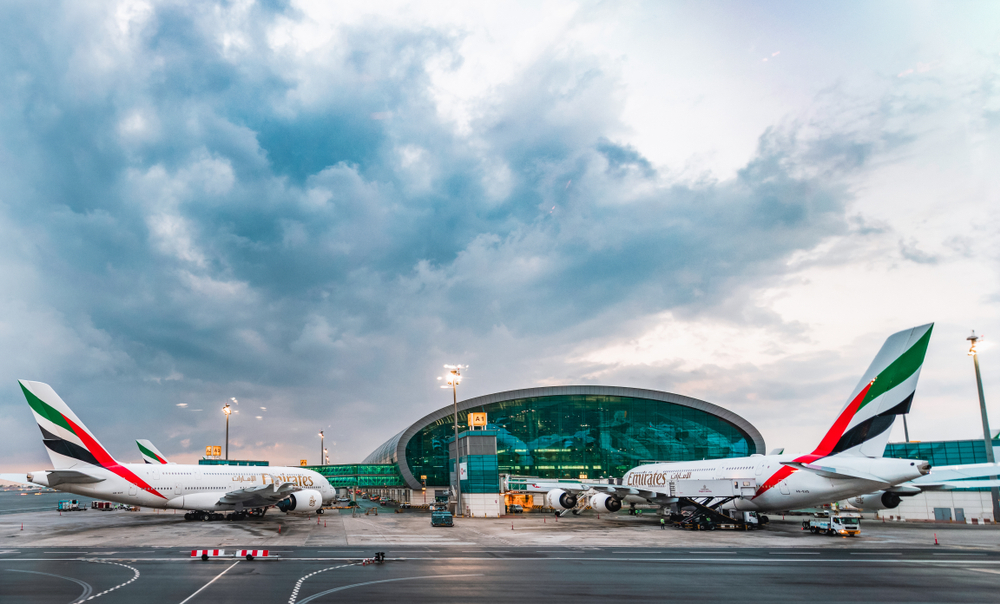
The ongoing crisis in the Middle East is continuing to disrupt air travel. Airlines are cancelling flights to the region and airspace closures are causing uncertainty for travellers, though some hubs are starting to resume services. Not to mention, there’s a looming global jet fuel shortage.
It’s a worrying time to be travelling, particularly through major hubs like Dubai and Abu Dhabi, so below is all the latest information on airspace closures, departures, and which hubs and operators are running services right now.
Recommended: Should you be booking a holiday right now? The latest information in light of soaring jet fuel prices.
Which airports are affected by the airspace closures?
At the time of writing, several major Middle East airports are still affected by airspace closures, but at varying levels of severity. Below is an overview of what operations look like at each one right now, but all travellers should keep a keen eye on their flights’ latest status before departing for the airport.
Dubai International Airport has partially resume services, and your airline should have contacted you directly to confirm that your flight is going ahead.
Zayed International Airport in Abu Dhabi and Hamad International Airport in Doha have both advised passengers to only travel if they have a confirmed ticket and are following the instructions from their airlines.
Muscat International Airport has continued with its commercial flight schedule and is also acting as a base for special flights, whereas all operations at Bahrain International Airport are only just beginning to resume, so you’ll need to check your flight status.
Queen Alia International Airport in Jordan has also reopened for commercial flights, and Saudi Arabian airspace is open too. However, the situation is subject to change.
All operations at Kuwait International Airport remain suspended, and you should only travel to the airport if explicitly advised to do so.
Note that for UK travellers, the British government currently advises against all but essential travel to the UAE.
Which airlines have cancelled flights?
Airlines across the region have announced updates to their flight schedules, and some have also issued notices about what affected passengers will be entitled to. Below is a roundup of all the most up-to-date information for each airline, but as ever, the best way to find all the latest travel information is to speak to your travel provider directly.
- Etihad Airways: This airline has announced a limited schedule of flights until April 30, but everything relies on approval from the Civil Aviation Authority. Guests holding Etihad tickets issued on or before February 28 up to April 15 are eligible to rebook free of charge. Passengers with flights booked for up to June 15 are eligible for a refund.
- Emirates: The operator is also working with a reduced schedule, the latest of which you can check on the official website. As with Etihad Airways flights, passengers with flights booked between February 28 and April 30 can rebook or cancel without charge.
- Qatar Airways: Thanks to temporary authorisation from the Qatar Civil Aviation Authority, this airline has a limited schedule in place for between now and June 15.
- British Airways: The operator has cancelled all flights to Abu Dhabi until further notice, and until the end of May, there will be no services to Bahrain, Amman, Tel Aviv, Doha or Dubai.
For more information on other airlines with routes to Dubai and Tel Aviv, you can consult Skyscanner’s in-depth guide.
Live departures for Dubai, Abu Dhabi and Doha
The best way to keep up with live departures is to check directly with your airline’s app or website (this avoids the lag that sometimes affects third-party trackers) and sign up for notifications. Live departures for major airports can also be found below, though airline apps tend to update quicker.
What to do if your flight is cancelled or rescheduled
Firstly, don’t panic. If you’re already at the airport, it’s best to stay put until you have a plan and secure the most up-to-date and accurate information. But either way, keep track of all the notifications you receive – that’s delay notices and cancellation notifications, as well as any emails about rebooking. Check if you can reclaim before booking expensive alternatives, as it’s not guarantted that you’ll be reimbursed.
No matter when your flight is cancelled, you should either be offered the chance to rebook, reroute, or receive a refund, but the airline’s obligations to look after you in the interim depend on where you are, and if they’re an EU-based provider.
It’s also worth being aware of what you can actually claim from your travel insurance – many will cover accommodation and meals during unexpected stays, but airspace closures linked to conflict are usually outlined in exclusions.
ICYMI: Strikes are set to disrupt flights in Germany today and tomorrow.
Stay in the loop: sign up to our free Travel newsletter for all the latest travel news and best stuff happening across the world.