







![House of the Dragon season 3 episode 6 ending explained: Is [spoilers] dead?](https://static0.polygonimages.com/wordpress/wp-content/uploads/2026/07/emma-d-arcy-_1.jpg?w=1600&h=900&fit=crop "House of the Dragon season 3 episode 6 ending explained: Is [spoilers] dead?")



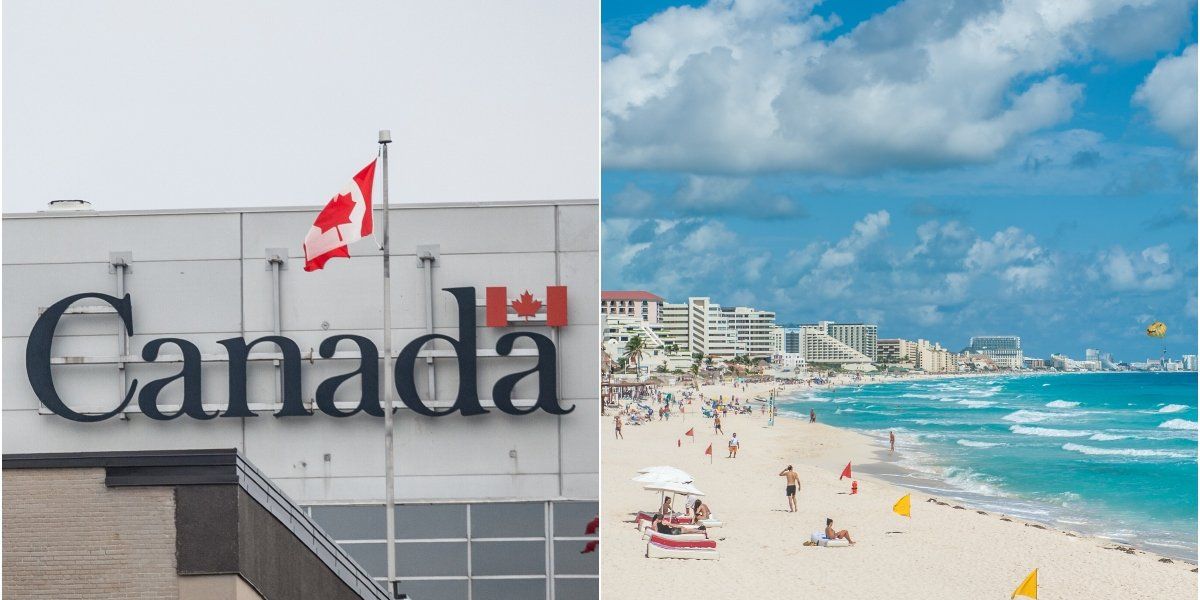
If you have a tropical trip booked for this summer, it’s worth checking whether your destination is on Canada’s updated travel advisory list before you go.
The Government of Canada has recently updated its warnings for six popular warm-weather destinations, with risk levels ranging from “exercise a high degree of caution” to “avoid non-essential travel.” The advisories don’t mean you have to cancel your trip, but they do mean you should go in with your eyes open.
Here’s where things stand.
Cuba — Avoid non-essential travel
(Updated June 5, 2026)
Cuba carries the most serious advisory on this list, and it’s one Canadians should take seriously before booking or before they go.
The situation on the island has deteriorated significantly over the past year. Daily power cuts are long and unpredictable, with unexpected nationwide blackouts sometimes lasting more than 24 hours. Fuel shortages have made getting around the island extremely difficult, leaving some tourists temporarily stranded after running out of gas. Public transportation is limited and costly, buses are unreliable and overcrowded, and even resort-area taxis are frequently disrupted.
Shortages of basic necessities are widespread, including food, bottled water, medicine and hard currency. Resorts are not immune — food availability, running water and hot water can all be affected depending on the location and timing of outages.
All Canadian airlines have suspended service to Cuba until further notice. Commercial flights through international carriers remain available for now, but availability could become limited on short notice. The government is actively encouraging Canadians already in Cuba to consider leaving while options remain.
There’s also a significant financial wrinkle as of this month: starting June 6, 2026, Visa and Mastercard credit and debit cards are no longer accepted anywhere in Cuba. That means travellers need to bring sufficient cash — in U.S. dollars or euros, which are more widely accepted than Canadian dollars — to cover the entire trip and all associated costs. ATMs may also be unreliable due to power outages.
On the health front, there is an active Hepatitis A outbreak among return travellers from Cuba. Visitors are advised to ensure their vaccinations are up to date before travelling, and to take food and water precautions throughout their stay.
Mexico — Exercise a high degree of caution
(Updated June 9, 2026)
Mexico’s overall advisory is “exercise a high degree of caution,” but the picture is more complicated than that. Large portions of multiple states carry elevated “avoid non-essential travel” designations due to cartel activity, kidnappings and violent crime. Affected areas include parts of Chiapas, Chihuahua, Colima, Guerrero, Jalisco, Sinaloa, Sonora, Tamaulipas and Zacatecas, among others.
Even in popular tourist resort areas, violent incidents at hotels and nightclubs have occurred. If you’re heading to a beach resort, the advice is to travel by air, stay within the resort zone and avoid overland travel in high-risk states.
One specific note: vaping devices and e-cigarettes are illegal to bring into Mexico, and customs officials will confiscate them. Drinking alcohol on public streets and public urination are also offences that can lead to fines or arrest. Police officers in tourist areas have been known to demand immediate cash payment from tourists committing these offences in exchange for releasing them. If that happens, the government advises not to hand over money or your passport, but instead ask for a written fine payable at a later date.
If you’re heading to the World Cup
The FIFA World Cup runs from June 11 to July 19, 2026, with matches taking place in Guadalajara, Mexico City and Monterrey. The government has issued specific travel guidance for Canadians attending games in Mexico.
Transportation will be significantly affected around match days. All host cities have public transit options, but costs are generally paid by transit card rather than cash, crowds will be heavy and pickpocketing risk increases substantially in and around stadiums and transportation hubs. Only officially marked taxis should be used, and hailing cabs on the street should be avoided entirely.
Travel between Mexico and the U.S. border should be made by air rather than overland, given the security situation in border states. If you do cross by land, use only official border crossings, avoid travelling at night and be aware that many travel insurance policies won’t cover you in regions where Canada has issued an “avoid non-essential travel” advisory.
Dominican Republic — Exercise a high degree of caution
(Updated June 10, 2026)
The DR remains one of the most popular destinations for Canadians, and most trips go smoothly. But petty crime is rampant throughout the country, including at resorts and hotels. Pickpocketing, bag snatching and drive-by thefts on motorcycles are all common, and thieves have been known to reach into stopped vehicles at traffic lights. Violent crime occurs mainly after dark in larger cities.
The border region with Haiti remains closed and is considered highly unstable. Card skimming at ATMs is also widespread. Travellers are reminded to complete an E-ticket form before boarding their flight.
Turks and Caicos — Exercise a high degree of caution
(Updated June 10, 2026)
Crime is on the rise in Turks and Caicos, particularly on Providenciales. Armed home invasions, sexual assaults and gang-related gun violence have all been reported. The advisory specifically warns against using unmarked illegal taxis known as “jitneys,” as drivers have been involved in serious incidents.
One important note for anyone packing a firearm, even declared: importing one without prior approval from the police commissioner carries a mandatory minimum 12-year prison sentence.
Costa Rica — Exercise a high degree of caution
(Updated June 8, 2026)
Costa Rica’s advisory flags high rates of petty crime throughout the country, with tourists frequently targeted because they are perceived as wealthy. Car break-ins are particularly common, including in the parking lots of hotels, restaurants, national parks and beaches. Passport theft increases significantly during peak tourist season.
Violent crime does occur, with the most affected provinces being Alajuela, Limón, Puntarenas and San José. The government also flags reports of casualties linked to unregulated alcohol containing high levels of methanol, so buying from reputable establishments is strongly advised.
Peru — Exercise a high degree of caution
(Updated June 2, 2026)
Peru’s advisory comes with regional warnings for several areas. The Valley of the Apurímac, Ene and Mantaro Rivers (VRAEM) carries an “avoid all travel” designation due to terrorism, drug trafficking and limited law enforcement. Several border areas also carry “avoid non-essential travel” warnings.
Beyond those zones, crime rates are high throughout the country, and a state of emergency is currently in effect in Lima, Callao and several other provinces to address a rise in violent crime. Express kidnappings, where victims are forced to withdraw cash from ATMs, have been reported targeting tourists. Demonstrations and strikes occur frequently and can disrupt travel to popular spots like Machu Picchu with little notice.
Before you go
Advisories are updated regularly and risk levels can change. You can check the full and current advisory for any destination through the Government of Canada’s travel advisories page. Registering your trip through the Registration of Canadians Abroad service is also recommended for any destination carrying an elevated warning.
