









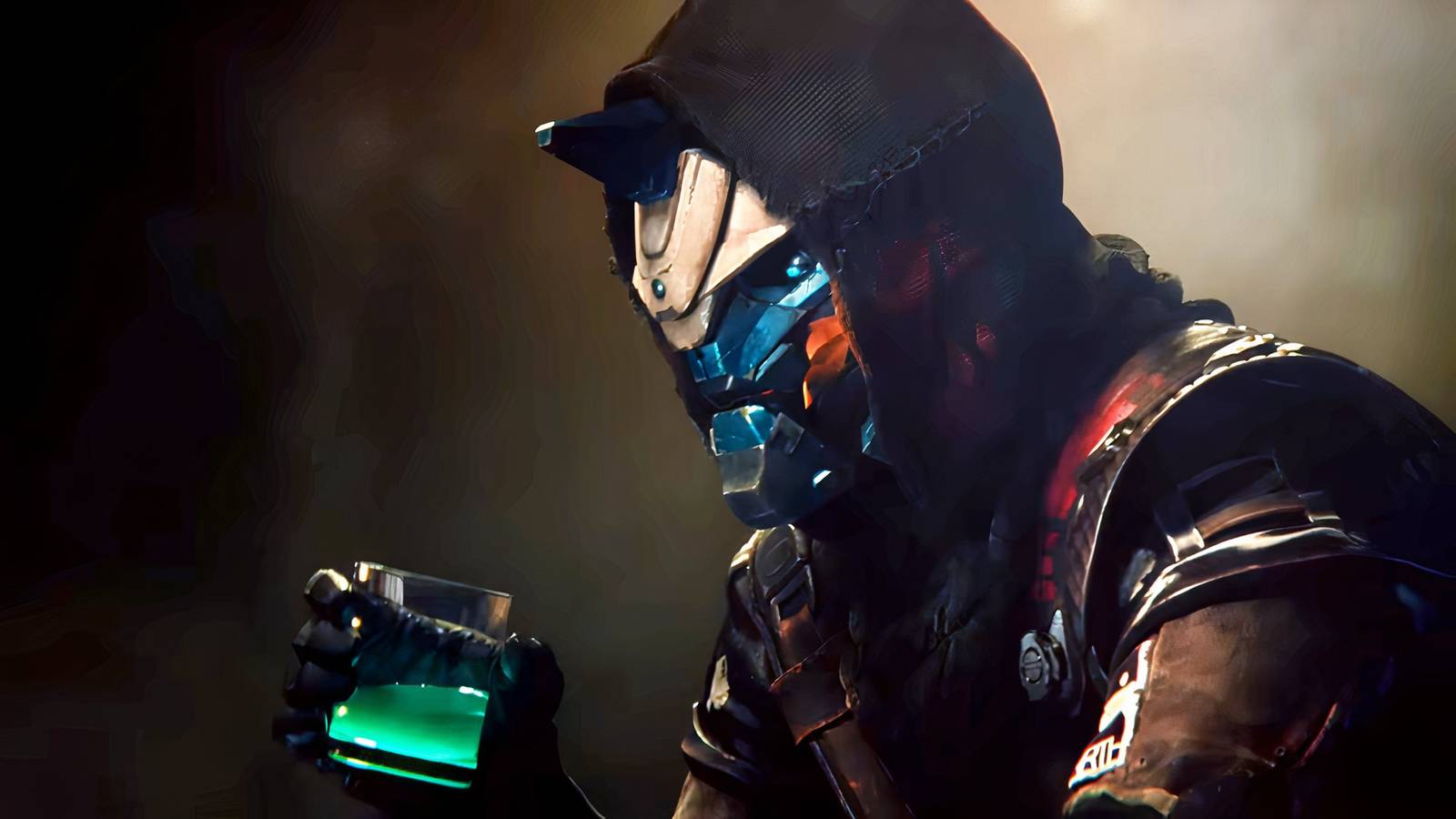
Active development on Destiny 2‘s live-service model officially came to a close on June 9 with the launch of Monument of Triumph, a massive update that serves as both a celebration of the franchise’s past and a final gift to the players who stuck around until the end. It’s a fitting conclusion for a series that spent nearly 12 years surviving one existential crisis after another.
Spend enough time scrolling through the Destiny subreddit, and you’ll quickly discover that one of the game’s greatest traditions isn’t raiding, chasing exotic weapons, or arguing about balance changes. It’s declaring that Destiny is dead.
Every era of the franchise has had its obituary. The original Destiny launched to mixed reviews. Destiny 2‘s first year nearly drove away much of the community. Expansions like Shadowkeep and Lightfall sparked doom-and-gloom discussions about the game’s future. Rival games were constantly positioned as “Destiny killers.” Anthem was supposed to replace it. Then it was The Division. Then Marvel’s Avengers. Then whatever live-service shooter happened to be launching next. Nobody even talks about those games anymore. Most of them are dead. It’s fitting, then, that even when Destiny may have sporadically been defeated by hype, the Guardian’s Ghost was always there to resurrect them. Because Destiny endured.
The community’s relationship with the game has always been complicated. Looking back at the most popular Destiny subreddit posts from the past year alone, it feels like watching a conversation between two entirely different communities. Last September, shortly after the poorly received Edge of Fate expansion, one player bluntly argued in a Reddit post that went viral: “If you truly loved this game, stop playing it.” One of the community’s most popular posts from the period after Monument of Triumph was announced struck a dramatically different tone, praising Bungie’s developers for continuing to fight for the game despite mounting challenges. “The devs constantly fought an uphill battle because they were just like us,” the post reads. “Passionate, captivated by the same world that we were and still are to this day.”
That contradiction in many ways defines the game.
For more than a decade, playing Destiny has also meant arguing about Destiny. Players complained about content droughts, celebrated expansions, criticized monetization, praised raids, quit in frustration, and inevitably returned months later because of some cool-looking new exotic gun or piece of armor. The game inspired a cottage industry of YouTube creators, build-crafting websites, item managers, Discord servers, podcasts, lore channels, and more social communities. Destiny wasn’t just a game people played. It became a hobby people organized parts of their lives around.
I know because I am one of them.


I bought a PlayStation 4 in 2014 specifically to play Destiny. Over the years, I’ve logged more than 1,000 hours across Destiny and Destiny 2. Like so many Guardians, my relationship with the game came in waves. I’d disappear into a new expansion for weeks, obsessively chasing loot, completing new campaigns, and dabbling in my favorite activities. Then I’d drift away to other games, only to return months later when the next big update arrived.
I remember farming planetary materials to upgrade gear. I remember the original loot cave. I remember finally earning Gjallarhorn after what felt like an eternity and screaming into the mic at the end of a Nightfall Strike. I remember taking down Atheon, Crota, Oryx, and countless other raid bosses alongside friends. I organized my time around the game’s weekly resets, running certain raids with all three of my characters or waking up early to farm activities before work. You fit most games into your schedule. At certain points in my life, I felt like Destiny defined my schedule, and everything else fit around it.
Bungie didn’t invent live-service games, online communities, or MMO-style progression systems with Destiny. What it did do was bring those ideas to a massive console audience and convince millions of players that a video game could become a long-term hobby — a forever game or a “third place” — rather than something to be completed and shelved. Long before battle passes and seasonal roadmaps became standard across the industry, Destiny was teaching players to think about games in this way.
Many of the trends that define modern gaming — like seasonal content, endless progression systems, weekly resets, limited-time events, and the constant pressure to keep playing — are now so common that some players often feel exhausted by them. The live-service model that Destiny helped popularize is now the approach that many big gaming companies try to emulate.
When Sony purchased Bungie in 2022 for $3.6 billion, part of the narrative surrounding the sale was that the acquisition would give Sony access to years’ worth of expertise in precisely this kind of live-service game development. By that point, however, Sony was chasing a trend that Destiny had already defined — and perhaps outlived. You could trace enthusiasm for Destiny 2 in a way that seems to run parallel to the Marvel Cinematic Universe. Like Avengers: Infinity War and Avengers: Endgame, 2024’s The Final Shape expansion ended an entire saga of storytelling in Destiny 2. In both cases, everything that came after the epic spectacle felt a bit hollow, and occasionally even pointless. What if Destiny 2 had ended there, and Bungie started development on Destiny 3 instead of spending the last two years putting out poorly received content? I might be writing a very different article right now.


As Monument of Triumph arrives, Destiny 2 doesn’t really feel like a failure, not to those who truly loved it. If anything, for those of us Guardians with plans to log in for the final update, it feels like greeting an old friend.
As one user pointed out, according to data from Popularity Report, daily unique logins for Destiny 2 across all platforms have been steadily rising. “Baffling that they would kill the franchise that still pulls these numbers in its darkest time,” they wrote. Since May 21, player counts have risen from about 182,000 unique players to more than 421,000 as of June 9. Meanwhile, a Change.org petition to request that Sony develop Destiny 3 has now reached more than 366,000 signatures.
For a game that spent years being declared dead, the reaction feels surprisingly warm. Maybe that’s because Destiny survived long enough to become something more than a game.
I was fresh out of college and spent money I didn’t have to get Destiny and a PS4. Over the past 12 years, Guardians graduated from school, started careers, got married, had children, and moved across the country. I’ve done all of the above. Through all of it, Destiny was simply there — sometimes beloved, sometimes frustrating, but always waiting for Guardians to arise once again to make their own fate.
Monument of Triumph may mark the end of Destiny 2‘s live-service era, but it also serves as a reminder of just how rare the franchise’s achievements truly were. Few games remain culturally relevant for more than a decade. Fewer still inspire the kind of loyalty, frustration, passion, and nostalgia that Destiny generated.
For years, players joked that Destiny was dying. Now that it has, we can’t help but feel a bit of remorse.


What’s happening with Destiny 3?
The future of Bungie has never been more uncertain
