




![7th Apr: Untold: Chess Mates (2026), 1hr 15m [TV-MA] (6/10)](https://occ-0-1381-999.1.nflxso.net/dnm/api/v6/0Qzqdxw-HG1AiOKLWWPsFOUDA2E/AAAABZsUm_1qfYz70FoMIIjk4ZCvig-Qeq4eGh8XZHatTdVsPI_aDoxe51sRazp6w7_h4uFEqZ04hXnU9vZq5Ufk9SbT0Qebiii_RdZyY4ui86kre9sdRL3t4yyg6FZb7GgEdYPCyQ2Ro3IG7xR9jN9vDkoJCXT53JAJ1iygpXrOP3gcYQ.jpg?r=687 "7th Apr: Untold: Chess Mates (2026), 1hr 15m [TV-MA] (6/10)")




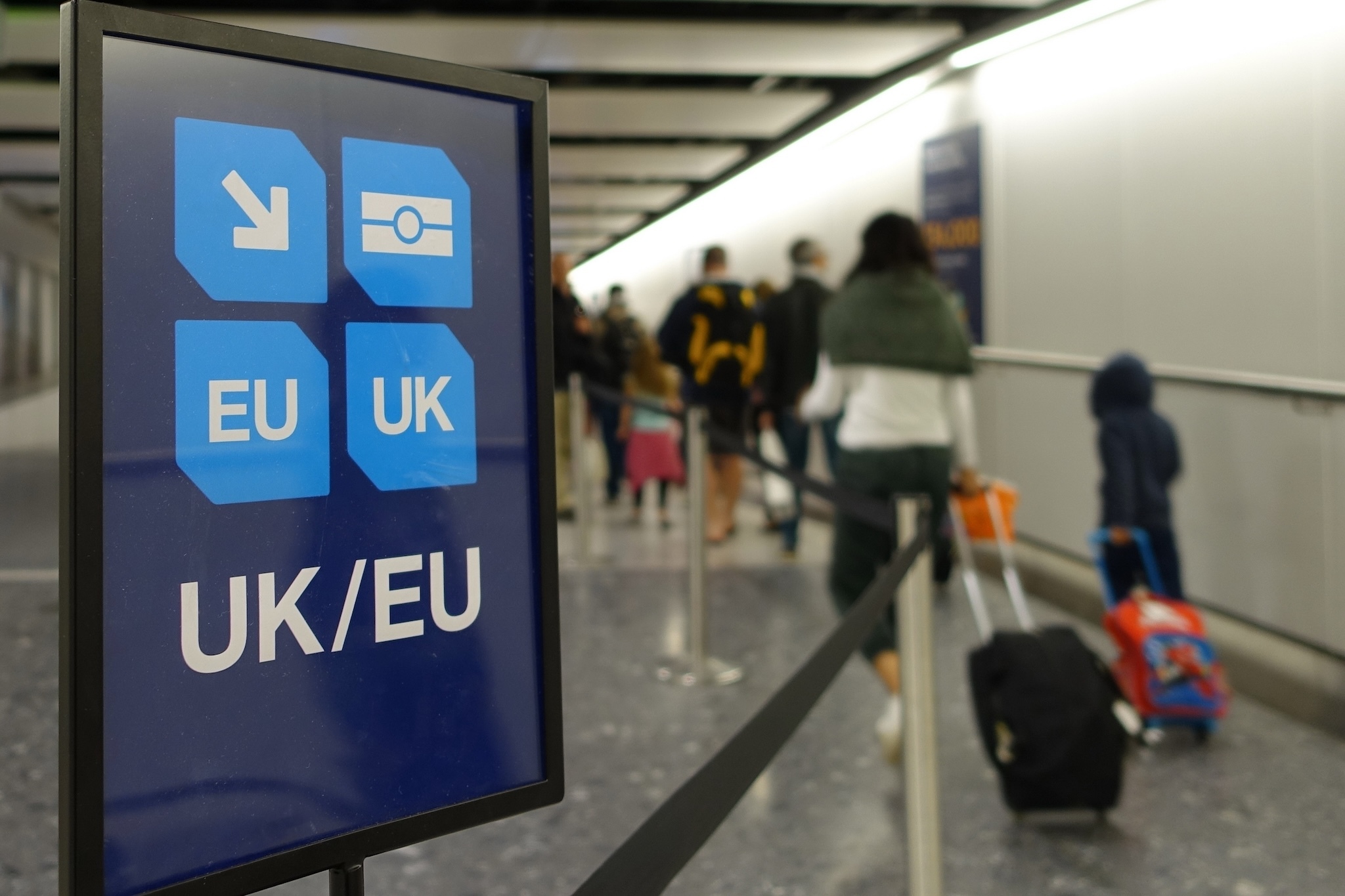
After nearly 10 years in the making, and a gradual roll-out across Europe since October 2025, the EU’s new Entry/Exist System (EES) will become fully operational on Friday, April 10.
It’s been implemented to modernise EU border security checks, and despite issues like ridiculously long queues in Amsterdam and Paris during the first few weeks of the tech, it seems that all is on schedule to operate from the end of this week.
What actually is the EES, and how might it affect your travel plans? We’ve rounded up all the necessary info you’ll need if you’ve got an upcoming trip to Europe.
What is the EES and who does it apply to?
The EES (Entry/Exit system) is a new border control system that will replace manual passport stamps with digitally recorded entries and exits across EU borders. It relies on biometric data like facial images and fingerprints, which are collected from you at the airport.
Once registered, your data is stored and valid for three years (unless you get a new passport in that time), and instead of having your passport stamped, you’ll instead use an automated self-service kiosk. You don’t need a biometric passport for this.
Below is a list of the 29 countries (25 EU member states, plus four nations in the Schengen area) where the EES applies:
- Austria
- Belgium
- Bulgaria
- Croatia
- Czech Republic
- Denmark
- Estonia
- Finland
- France
- Germany
- Greece
- Hungary
- Iceland
- Italy
- Latvia
- Liechtenstein
- Lithuania
- Luxembourg
- Malta
- Netherlands
- Norway
- Poland
- Portugal
- Romania
- Slovakia
- Slovenia
- Spain
- Sweden
- Switzerland
Who’s exempt from the EES?
Members of the EU and Schengen-area countries are exempt from the EES, as are the family members of EU nationals and those who hold identity cards. Plane and train crew members are exempt, as are armed forces personnel, according to euronews. Nationals of Andorra, San Marino, Monaco and the Vatican City will also be exempt.
Has the EES been successful so far?
According to the European Commission, a reported 24,000 people have been refused entry based on possessing fraudulent documents, expired passports or not offering an acceptable rationale for their visit, and more than 600 people have been flagged as security risks to Europe.
Will the introduction of the EES cause airport delays?
The answer is probably yes. Despite the EU supposedly allowing flexibility during the busy summer season, ‘waiting times are now regularly reaching up to two hours at peak traffic times, with some airports reporting even longer queues,’ said airport association ACI Europe and Airlines for Europe in a joint statement.
The delays are down to the fact that, since March 31, every single third-country passenger has had to register (whereas border control authorities were previously allowed to suspend processing if the queues became unmanageable). Because of these, passengers are advised to arrive at the airport between an hour and a half and two hours earlier than usual, to account for EES-related delays.
If you’re really worried, the Travel to Europe app has been specifically designed by the EU to enable passengers to pre-register biometric photos and passport data up to 72 hours before you arrive, which could save you some serious time.
What is an ETIAS?
Sometimes referred to as a ‘euro-visa’, ETIAS stands for the European Travel Information and Authorisation System, but will only come into place when the EES has been entirely rolled out – likely not until the last couple of months of 2026. You can read more about these in our guide for UK travellers.
ICYMI: Should you be booking a holiday right now? The latest information in light of soaring jet fuel prices.
Plus: Another Spanish city is clamping down on holiday rentals – here’s what that means for your trip.
Stay in the loop: sign up to our free Travel newsletter for all the latest travel news and best stuff happening across the world.


