









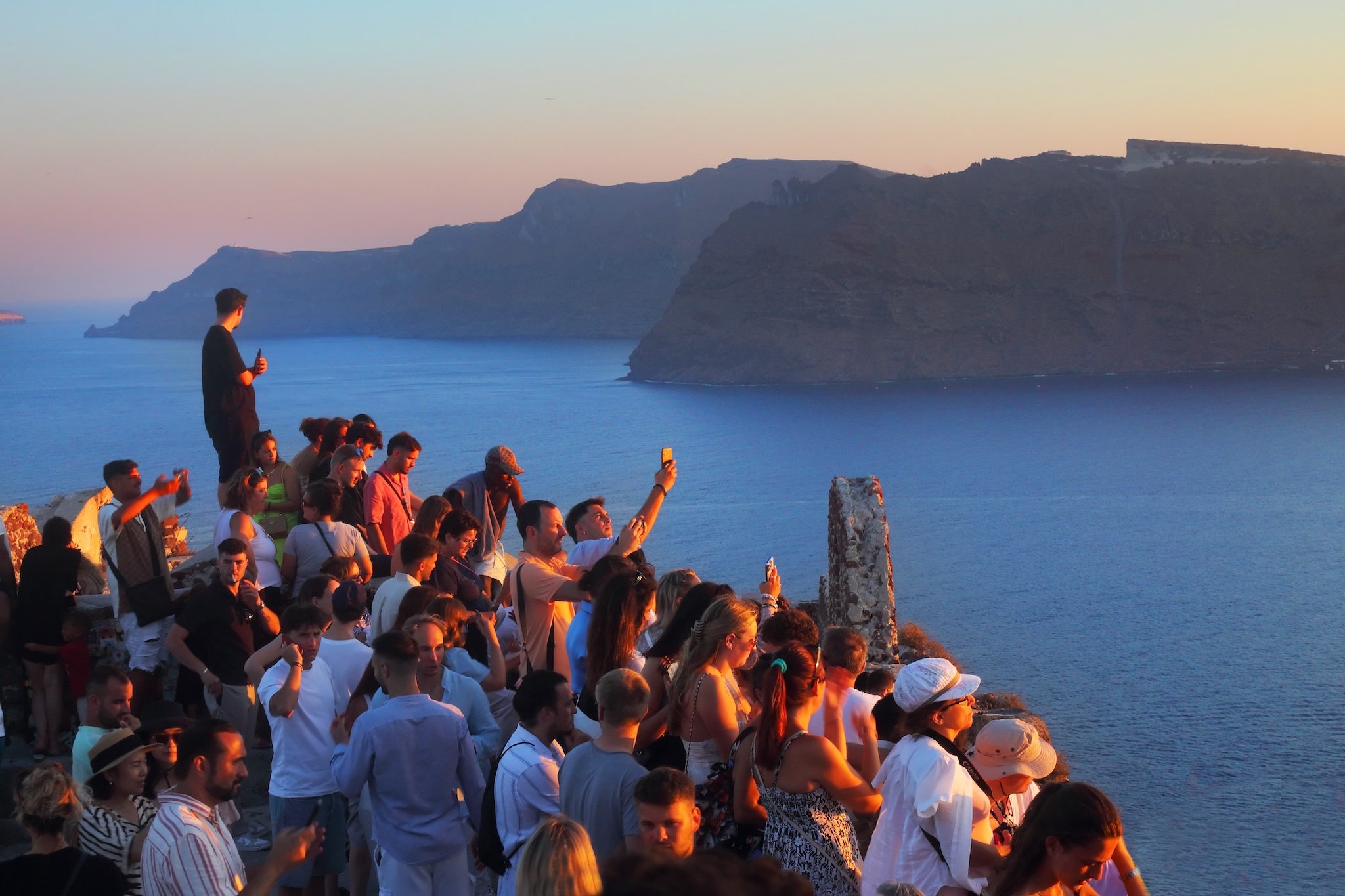
When you think of sunny European destinations, Greece is probably one of (if not the first) place that springs to mind. Home to around 6,000 islands and a whopping 13,000km of Mediterranean coast, the country has long been a go-to for beach holidays in the summer months, as well as for ancient-history-filled city breaks in Athens, Delphi and the Peloponnese peninsula.
But like many European destinations, Greece is feeling the effects of its own popularity, and now the government has stepped in.
Greek Ministers for Environment and Energy and Tourism, Stavros Pastrvrou and Olga Kefalogianni, have outlined a new ‘Special Spatial Framework’, which essentially plans to overhaul how, where and when development related to tourism takes place.
A statement about the plans read: ‘The key is the transition to a development model that combines quality and sustainability, respecting both the natural environment and the specific characteristics of each region.’
What that means is that regions across Greece will be grouped into one of five categories, which are as follows: high-pressure areas, areas with room for growth, special status areas, island destinations, and the mainland.
Based on their category, restrictions and rules to ensure the preservation of the environment will be implemented where necessary. As euronews explains, this can vary from capping the number of tourism beds on a particular island to coastal protections, such as banning structures within 25 metres of the shoreline.
The plan also aims to protect structures and archeological sites important to Greece’s heritage.
What kind of tourism restrictions are already in place in Greece?
The 2023 introduction of visitor caps at Athens’s famous Acropolis is still in place today, with all guests required to book a slot in advance. This summer, sunbeds will be banned on over 250 beaches across Greece. Greece’s government is not discouraging tourism – just trying to reshape and better manage it.
🏖️ Read ’s brand-new list of the very best hotels in Greece.
Did you see that extreme summer heat could bring an end to outdoor dining in Spain?
Plus: The world’s 50 best beaches have been crowned for 2026.
Stay in the loop: sign up to our free Travel newsletter for all the latest travel news and best stuff happening across the world.


