



![10th Jul: Captain Underpants: The First Epic Movie (2017), 1hr 28m [PG] – Streaming Again (6.1/10)](https://occ-0-2433-2430.1.nflxso.net/dnm/api/v6/0Qzqdxw-HG1AiOKLWWPsFOUDA2E/AAAABb68rDyaBJEL7RbqGf3Gc_l-46FtW47ONdU4U6Kkq9QtmxEzSZnQzzhje8n573JHIf54DVCrBOOkMiC8CYDReVH6RoOShiTRf_YE.jpg?r=77f "10th Jul: Captain Underpants: The First Epic Movie (2017), 1hr 28m [PG] – Streaming Again (6.1/10)")




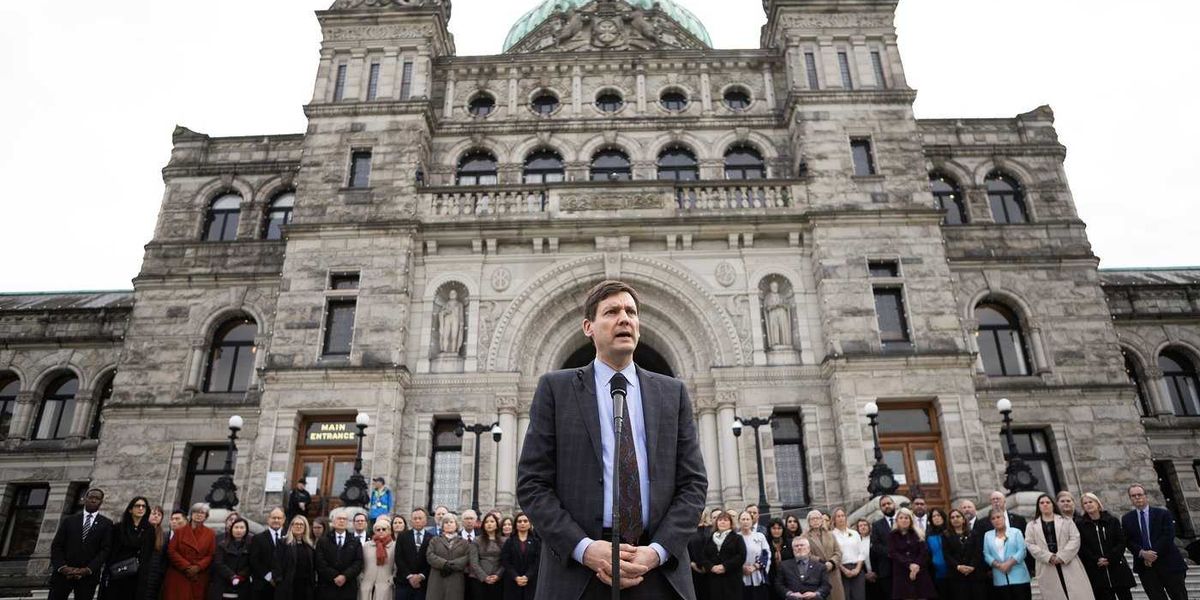
British Columbia Premier David Eby said he may extend the current legislative session to find support among individual First Nations over his plans to suspend parts of the Declaration on the Rights of Indigenous Peoples Act.
“Even now, we are engaging with chiefs to try to find a path forward in a way that they can support, and I hope to be able to have some chiefs standing with us to say, ‘look, we don’t like this, but we understand the government’s concern,'” he said at a news conference on Monday.
The proposal comes after NDP house leader Mike Farnworth announced that the planned legislation to suspend the act — which Eby says poses legal peril to the province — will no longer be a confidence vote, ending the threat of setting off an election.
Eby said Indigenous MLA Joan Phillip, who is the wife of Grand Chief Stewart Phillip, told him she could not bring herself to vote for the suspension.
The premier had previously staked his government on passing the suspension, and because the NDP holds a single-seat majority, the rising likelihood that the suspension legislation would be rejected had raised the chances of an early election.
Eby now said Joan Phillip’s position “obviously changes the math” for the party, which does not have any interest in sending British Columbians into an election.
“She, because of her own personal history on these issues, because of her familial relations, is in a unique position,” Eby said. “We also found that the discussion of the confidence vote was preventing members of the opposition and Independents with grappling with the substance of the legislation.”
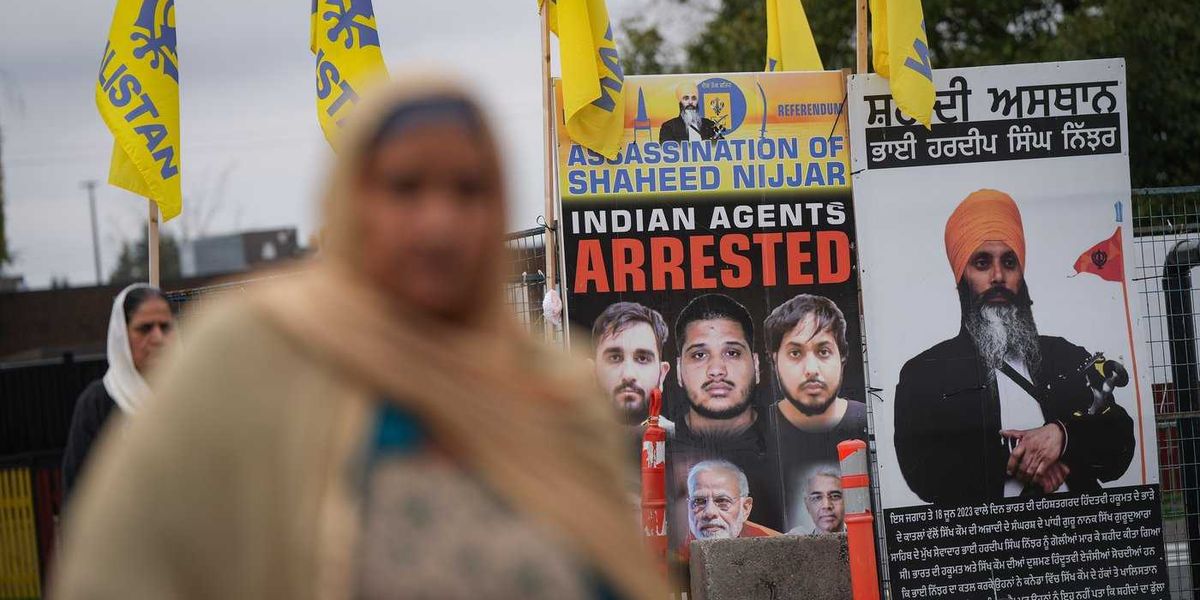
Stewart Phillip is among several members of the First Nations Leadership Council who have condemned the planned suspension of the declaration act, known as DRIPA, and Eby said Monday that his government’s relationship with the council is “under significant strain” right now.
The premier said that’s why the government is “moving on” and will deal directly with rights and titleholders to find a path forward for the suspension plan with chiefs.
He said that while the conversation about DRIPA has been “really difficult” inside the NDP caucus, no other members have told him they will vote against the suspension of parts of the act when changes are tabled.
Conservative interim leader Trevor Halford questioned Eby’s about-face in the legislature on Monday.
“Let’s be clear,” he said during question period. “The premier is trying to find a path to save his job.”
Halford said Eby promised that the proposed changes to DRIPA would pass.
“(Today), he’s backed down on all of it, because he does not have the confidence of his caucus.”
Stewart Phillip questioned the government’s sincerity, calling its “so-called consultation” a “total sham.”
“In the same breath, he indicated his intention to push his DRIPA legislative agenda forward by the end of the (session),” Phillip said in an interview on Monday.
He said Eby was guilty of “doublespeak” and “shifting positions on a daily basis” while failing to engage in genuine consultations.
Phillip and fellow Indigenous leaders condemned the suspension plan at a Vancouver news conference on Friday, having also rejected Eby’s previous plan to amend DRIPA.
Joan Phillip, who is suffering an undisclosed illness, is one of three Indigenous members of Eby’s caucus.
Political analyst Stewart Prest from the University of British Columbia said in an interview before the government rescinded the confidence vote that he could not understand why Eby would risk his office on the issue.
He said triggering an election would “seem like political malpractice.”
The B.C. Conservatives have pledged to bring down the government whenever possible and have said they plan to repeal DRIPA.
Farnworth said that by the time the legislation is tabled, he expects that Joan Phillip, as well as “Conservatives and Independents and Greens” may vote for it.
Eby said the government is willing to extend for the session to allow for a full debate at the legislature on the proposed suspension.
The premier added that his government is prepared to test the confidence of the house on other issues during this session.
“We are happy to introduce a confidence motion in the house, which will pass, and then we will be able to address the substance of what matters for British Columbians.”
This report by The Canadian Press was first published April 13, 2026
By Wolfgang Depner | Copyright 2026, The Canadian Press. All rights reserved.

