












Short answer? Anyone can grill.
But there is a reason some people earn the legendary title of grill master while others… well… become known for serving charcoal disguised as burgers.
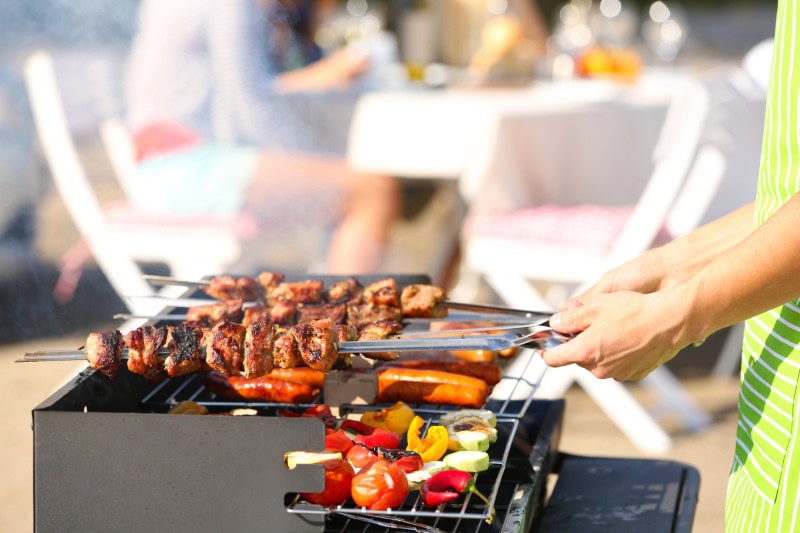
Most of us love the whole experience. The smell of smoke drifting through the backyard. The sound of food sizzling on the grill. Friends hanging out with a drink in hand while someone stands proudly beside the barbecue like they’re conducting a symphony of fire.
It all looks so easy. Just buy good food, turn on the grill, throw everything on, and wait for deliciousness to happen.
Except grilling is rarely that simple.
Great grilling actually takes a surprising amount of skill. Heat has to be controlled. Fuel has to be managed. Weather and wind can completely change how things cook. And if you have ever stood next to a grill while smoke seemed to follow you no matter where you moved, you already know outdoor cooking has a mind of its own.
Grilling might be fun and social, but there is a real craft behind doing it well.


The Real Secret: Learning to Control the Fire
Ask any experienced grill master what matters most and you will usually hear the same answer.
Heat control.
Managing heat is the foundation of great grilling, and every fuel source behaves a little differently.
Charcoal grills bring that classic smoky flavor but require more attention to temperature. Gas grills offer quick heat and easier control. Wood can add incredible flavor but takes experience to use properly.
Each option changes how food cooks.
And unlike cooking in a kitchen, outdoor grilling introduces a few unpredictable elements. Wind affects airflow. Temperature changes throughout the day. Even how you stack charcoal or position burners can influence the final result.
This is why preparation matters.
Before lighting the grill, experienced cooks take a few minutes to check everything:
- Clean the grates
- Make sure fuel levels are right
- Confirm the grill is heating evenly
- Set up tools so everything is within reach
Once the food hits the grill, walking away is rarely a good plan.
Grilling rewards attention. Stay nearby, watch the heat, adjust when needed, and things usually turn out much better.


Backyard Fun Still Requires Safety
Grilling is one of the most enjoyable ways to cook, especially in warmer months when families want to spend more time outside.
Still, it involves open flames, hot metal, and fuel sources that need to be handled responsibly.
Most people have seen at least one video online where someone attempts to light a grill and accidentally creates a mini fireworks show. It might be funny to watch, but in real life it can be dangerous.
That is why many places have safety guidelines around grilling.
For example, some regions require that grills be used outdoors and positioned a safe distance away from structures. In Massachusetts, regulations recommend placing grills at least ten feet away from buildings to reduce fire risk.
Rules like these are not meant to ruin backyard fun. They exist so the only thing getting grilled is dinner.
Simple precautions can make a big difference:
- Keep grills away from walls, fences, and overhangs
- Never leave a hot grill unattended
- Have water or a fire extinguisher nearby
- Clean grease buildup regularly
These habits help prevent accidents and keep grilling enjoyable for everyone.

Why Experience Makes Such a Difference
Anyone can technically grill food.
Turn on the heat. Put food down. Wait.
But great grilling involves thinking ahead.
Experienced grillers constantly make small decisions while cooking:
- Is the temperature too high?
- Will this cut of meat cook better with indirect heat?
- Should the vents be adjusted for airflow?
- Is the wind affecting the flame?
- Has the meat hit the required internal temperature?
- What order should everything be cooked?
Those small adjustments are what separate good results from burnt dinners.
Interestingly, this kind of thinking is not unique to grilling. Many hands on professions rely on the same mindset.
Take construction supervisors, for example. Their job requires understanding materials, anticipating how conditions affect a project, and making real time decisions to keep everything safe and running smoothly.
Preparation programs like Massachusetts construction supervisor exam prep exist to help professionals learn regulations, safety practices, and practical problem solving before stepping onto a job site.
Grilling works in a surprisingly similar way.
A good grill master learns how fuel behaves, how airflow changes heat, and how small adjustments affect the final outcome. Over time, experience builds intuition, and cooking outdoors becomes second nature.

The Best Part of Grilling
For many people, grilling is about more than just cooking.
It is an event.
Someone is tending the grill. Kids are running around the yard. Music is playing. Neighbors wander over to see what smells so good. The food is important, but the experience around it often becomes the real highlight.
And once you understand the basics of heat control, safety, and preparation, grilling becomes far less intimidating.
You start to enjoy the process instead of worrying about whether dinner will survive the flames.
So the next time you fire up the grill, remember that a little skill goes a long way.
Pay attention to the heat. Respect the fire. Keep safety in mind.
Then relax and enjoy the moment.
Just do not forget the cold drink. Grilling in the sunshine can get surprisingly warm.

