



![26th Jun: Night at the Museum: Battle of the Smithsonian (2009), 1hr 45m [PG] (6/10)](https://occ-0-7328-92.1.nflxso.net/dnm/api/v6/0Qzqdxw-HG1AiOKLWWPsFOUDA2E/AAAABVD8O8IBkg0aO4moddjwDNYU-PqydJ_JPqx5p3rn4sijd-g3g-igHtOnsOvzcgl4DITd8Mr76UWMXaHQ3ak3iag4iRsfUWfH2i--V7o1Ho6Sni3gU6dDpxLv7luBlOu6ZmmdF_dwb88yCm4MCVOQCHbZ9Q0AsNjzgnZuEPdQNLH4Dg.jpg?r=966 "26th Jun: Night at the Museum: Battle of the Smithsonian (2009), 1hr 45m [PG] (6/10)")





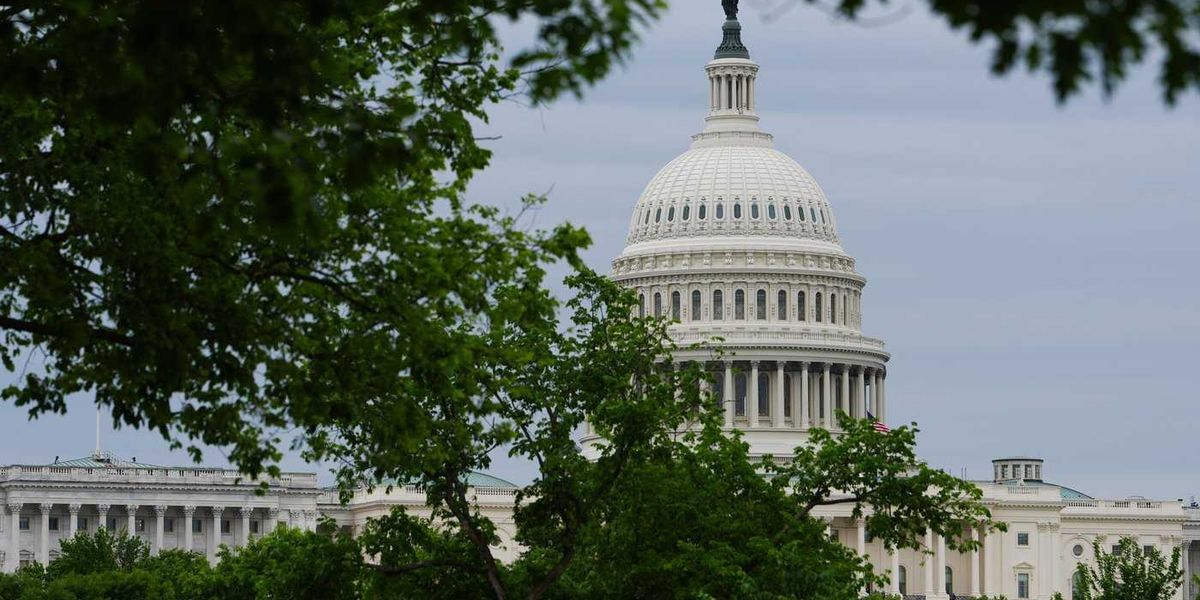
Members of Parliament and senators are set to drastically reduce interparliamentary exchanges with the U.S. Senate and Congress, despite multi-party efforts to save a crucial trade deal with Washington.
Interparliamentary associations exist to allow MPs and senators to host colleagues from abroad and make official visits to advance bilateral ties and Canadian interests. These allow legislators to exchange ideas on legislative issues and diplomatic topics.
These 13 official associations receive funding from Parliament, unlike dozens of less formal friendship groups.
The budget for intergovernmental legislative exchanges has been flat for years, yet fees have been rising for participation in some multilateral groups. Canada is a member of such groupings through the Commonwealth, NATO, the Francophonie and ParlAmericas.
Last Thursday, Conservative Whip Chris Warkentin said it appears a budget shortfall is causing a 40 per cent funding cut for the Canada-United States Inter-Parliamentary Group. He made the comments to the Board of Internal Economy, which manages House of Commons expenses.
“Obviously, right now with the Canada-U.S. relationship being of paramount importance as we try to resolve the trade conflict there, I’m just not sure if there’s a way that there could be a review of that,” Warkentin said.
“I’ve just heard reports back from members from several parties, that they do believe that this will have a negative impact on the work that is being undertaken there, in terms of building the relationship with our counterparts south of the border.”
The Canada-U.S.-Mexico Agreement, or CUSMA, is due for a review this year, and U.S. President Donald Trump has cast doubt on its future. Canada is also facing punishing U.S. tariffs on major sectors, including steel and aluminum.
Jeffrey LeBlanc, the House deputy clerk for procedural matters, did not confirm a 40 per cent drop for U.S. exchanges but said rising membership and conference fees are leading several interparliamentary groups to reduce budgets that could be used for travel.
“I can confirm indeed that many associations saw rather significant reductions to their budget allocation,” LeBlanc testified. “There are a couple associations that did see increases according to the formula.”
The Joint Interparliamentary Council, a committee of MPs and senators, made decisions at a closed-door meeting on April 21 about budgets for various interparliamentary groups, but the minutes of those decisions won’t be made public for weeks.
Conservative MP Tom Kmiec and Sen. Raymonde Saint-Germain co-chair the council. Neither responded to requests for comment.
Both chambers fund the council, which allocates budgets for each interparliamentary group, though the council’s funding has been frozen at an annual $4.3 million since spring 2018.
The council’s latest annual report last September notes “an increase of the fees assessed to Canada for membership in international multilateral associations.”
That annual report documented $226,066 in expenses for activities as part of the U.S. interparliamentary group, including congressional visits, party conventions, conferences with state governors and Trump’s inauguration.
In March, the council asked both houses to increase funding. It also proposed allowing MPs and senators to dip into their individual travel budgets for U.S. trips to instead undertake interparliamentary work.
Under the system known as travel points, MPs can make four return trips to Washington or New York per year, under specific conditions relating to parliamentary functions or United Nations events. Senators face similar rules.
“Travel points cannot be used for travel related to the business of parliamentary associations or parliamentary committees,” reads the MP manual on allowances.
The council is set to have one of its co-chairs testify to the House board of internal economy in either late May or early June.
This report by The Canadian Press was first published May 11, 2026.
By Dylan Robertson | Copyright 2026, The Canadian Press. All rights reserved.

![26th Jun: Night at the Museum: Secret of the Tomb (2014), 1hr 38m [PG] – Streaming Again (6.1/10)](https://occ-0-953-999.1.nflxso.net/dnm/api/v6/0Qzqdxw-HG1AiOKLWWPsFOUDA2E/AAAABTQlEBVfCqmSqiTNXQx_Ulj2cW1cKu2MTf28PLRFD5uoZWe-ez8_AB-9a6qu80Xspy-yO0ZQTiUwme6SIN3DLUvNEIc102WKaGl2.jpg?r=425 "26th Jun: Night at the Museum: Secret of the Tomb (2014), 1hr 38m [PG] – Streaming Again (6.1/10)")