





![10th Jul: Naruto Shippuden (2017), 12 Seasons [TV-14] – New Episodes (6.55/10)](https://occ-0-4458-2430.1.nflxso.net/dnm/api/v6/0Qzqdxw-HG1AiOKLWWPsFOUDA2E/AAAABSKKCEPXApXDNpga4jPZt6MoHfrKNKJW1lzQ_iGX5hWbSdCoBIB9--IKqfuKbaIMh3Fy3sJLaidt2Oz4Pcmy-UrkcdbizrluecX9GYIqQy4Nl1zje4WMQ_YXW47Q_waBfPROwUiQn1sAdpOXCoU9xnRrRDYcmjKWLyEXGQGHAA.jpg?r=0ea "10th Jul: Naruto Shippuden (2017), 12 Seasons [TV-14] – New Episodes (6.55/10)")


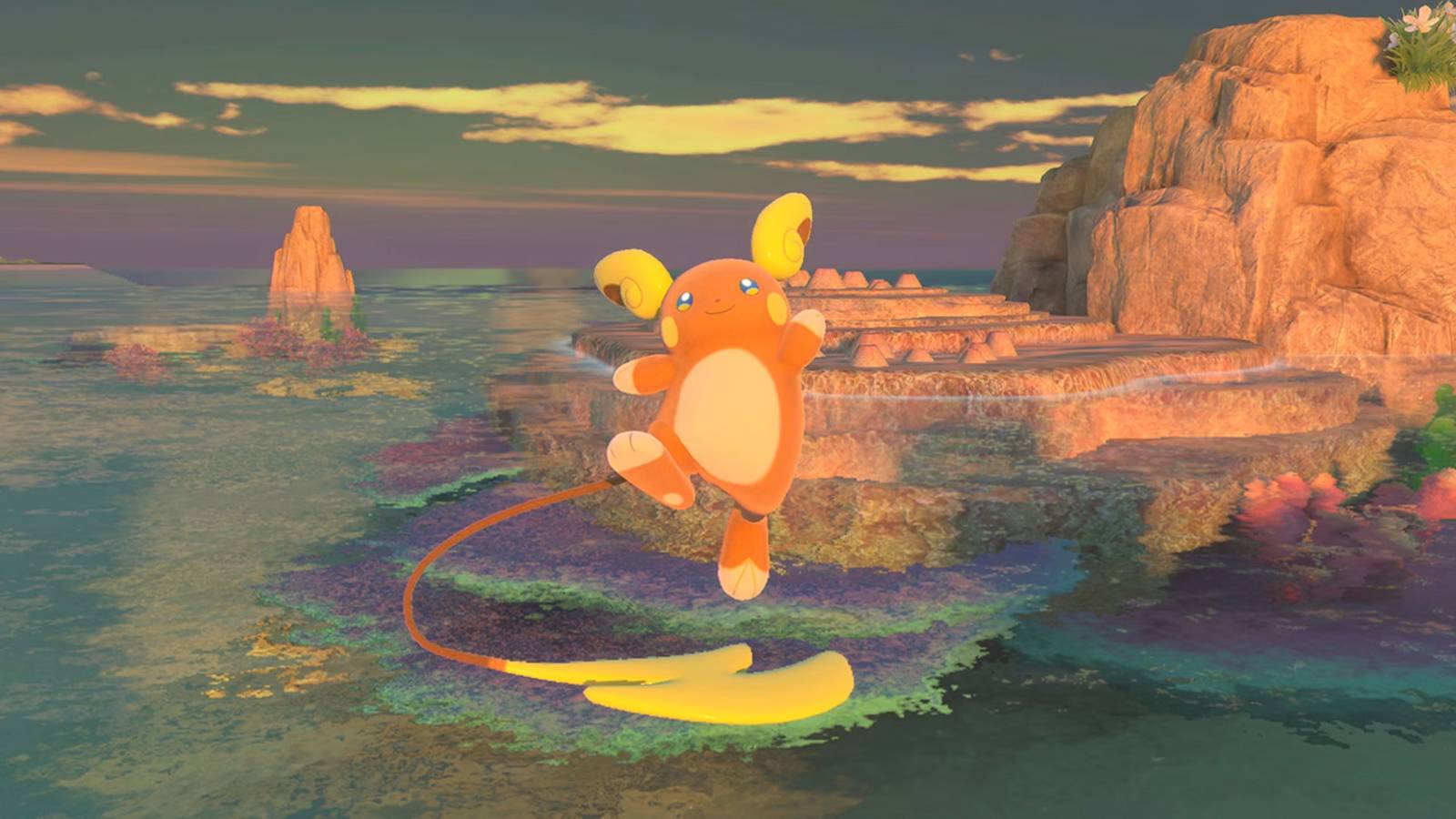
New Pokémon Snap was a surprise when it launched in 2021. It was a different kind of cozy game, where vibes mattered more than tasks and you had limited control over your environment. And, despite folks requesting a Pokémon Snap sequel for years, it turned out rather less innovative than many expected from a Nintendo game at the time. Yet this conventional, predictable game had an important feature that went largely unremarked on at the time — and it became an essential part of Nintendo’s first batch of Switch 2 games.
New Pokémon Snap puts you in the role of a research assistant working for Professor Mirror. He wants to learn about the region’s critters, so he sends you off in a little vehicle to take pictures of them doing Pokémon things, then judges the quality of your work when you return. Photo composition matters, but only sort of loosely. The framing of something is less important than whether you captured a unique moment or multiple Pokémon, or both. As you continue to play, you’ll get tools to encourage various behaviors and the option to drive through courses at different times of day.
Other than the visuals, the reboot changed very little from the original Pokémon Snap, which was an unexpected move for a Switch game. Nintendo gained a reputation for creative experimentation during the Switch era by taking its most popular franchises in unexpected directions. They were still recognizably video game-y in their structure and goals, though. Here are a few examples:
- Breath of the Wild: A giant physics experiment that culminated with Tears of the Kingdom
- Super Mario Odyssey: Bigger, better sandboxes
- Kirby and the Forgotten Land: Testing Kirby’s adaptability
- Fire Emblem: Three Houses: Can we make Fire Emblem even more like Persona? Yes!
The ethos behind New Pokémon Snap, however, was “what if you chilled out and took pictures of Pokémon doing neat things in pretty places?” Sure, Professor Mirror judges your photos, sometimes in inscrutable or infuriating ways. And you need higher ratings to unlock new Pokémon in an area, which is New Pokémon Snap‘s primary mode of progression. There’s not really a win or lose state in the traditional sense, though. Winning is taking a photo of a glowing Swanna flying over a moonlit pond at night, or snapping a shot of your favorite Pokémon doing something cute — whatever you think of as a win is a win. Losing is showing Professor Mirror a zoomed-in shot of a Bouffalant’s butt because it turned away at the last second (and then being grateful that the good professor doesn’t question what you present to him or why).
Little else like that existed at the time, and New Pokémon Snap stood out as an oddity in more ways than one. It was too conservative for a Switch-era Nintendo game; too loose to function as a legitimate photography simulator; too directionless for a cozy game. Animal Crossing: New Horizons still hid min-maxing and heaps of effort under its relaxing veneer, and the emerging wave of cozy games often followed a similar pattern — Potion Permit, Harvestella, Fields of Mistria, and so on. Photography games didn’t match New Pokémon Snap‘s vibes, either. Umurangi Generation is a photographer’s photography game where quality and editing matter more than anything else. Toem (which launched a few months after New Pokémon Snap) is more traditionally game-y in the sense that your camera helps you solve puzzles.


That oddity seems like a foreshadowing of how Nintendo thinks about its games now. What’s the point of the open world in Mario Kart World? Vibes. It takes a dedicated effort to “lose” in Donkey Kong Bananza, and the platforming challenges aren’t nearly as brutal as what Donkey Kong Country Returns put you through. Bananza’s goal is also vibes, plus letting you make your own fun by smashing things and finding unorthodox ways around each level.
Similarly, Yoshi and the Mysterious Book has no fail state and no obvious point beyond uncovering all the cool ways the book world works. Nintendo had already started experimenting with less directed play at the end of the original Switch’s lifecycle with Super Mario Bros. Wonder. It kicks the series’ tradition of timed stages out the window and invites you to explore the levels at your own pace and discover all the cool things. The fun is what you make of it, not what the designers think should be rewarding.
How closely Nintendo sticks to this trend in the coming year is anyone’s guess. If the Ocarina of Time remake is real, it seems unlikely that player expression could fit comfortably within the rigid structure of the original. By virtue of being a tactics game, Fire Emblem: Fortune’s Weave leaves little room for creativity outside of class hybrids. But if you watch the recent Splatoon Raiders trailer, where playing with the series’ outlandish weapons is just as important as defeating enemies, it looks like the legacy of New Pokémon Snap‘s hasn’t run its course just yet.
