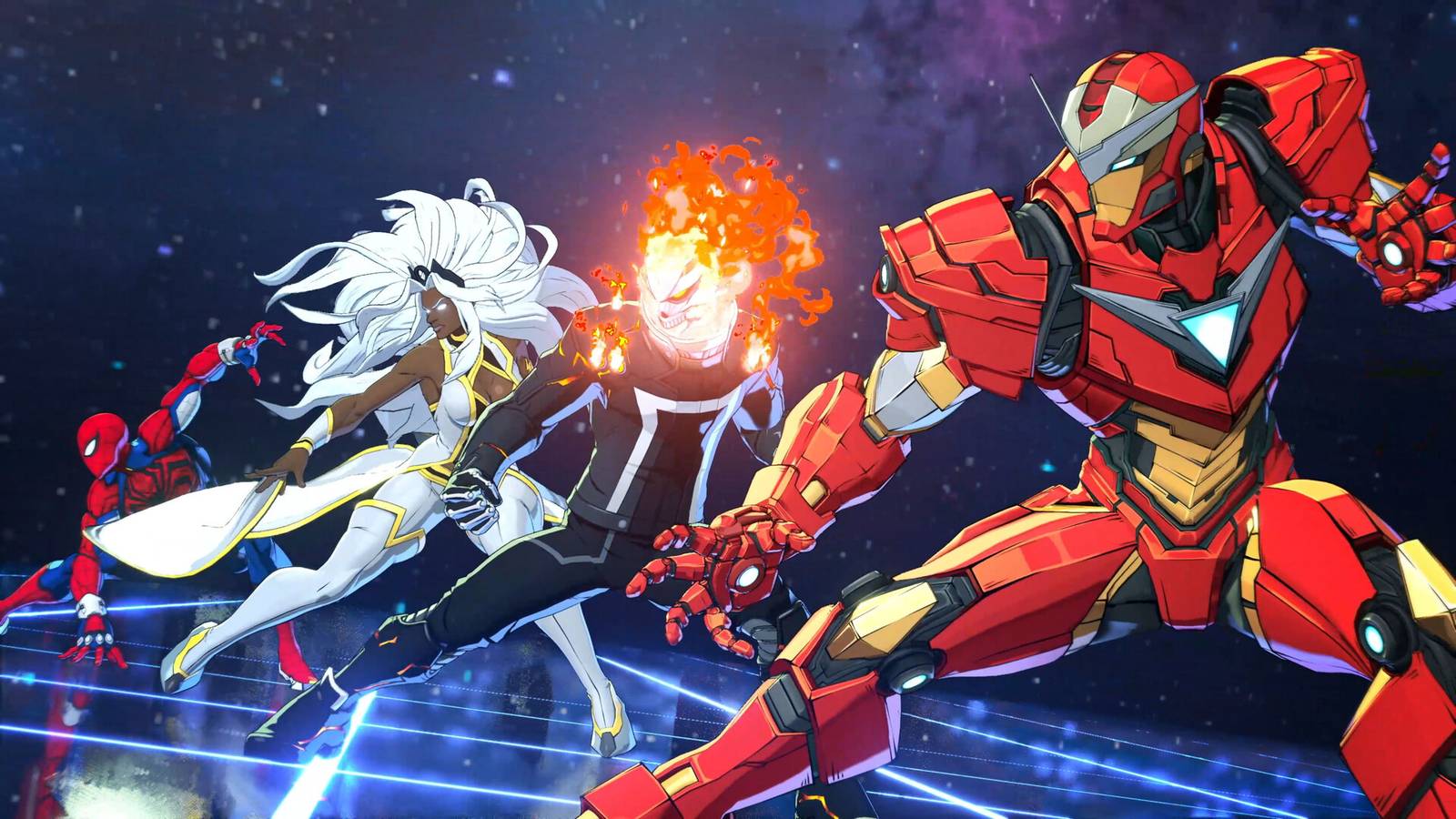





Despite losing a fraction of its cultural cachet in recent years, Marvel Studios still generates some of the biggest cinematic spectacles in Hollywood, evidenced by recent mega-hits like Deadpool & Wolverine, The Fantastic Four: First Steps, and the looming ensemble event Avengers: Doomsday. But as it ballooned into the highest-grossing film franchise in history, Marvel’s production pipeline devolved into a system built for flexibility rather than practicality.
That’s not to say Marvel has lost its ability to deliver crowd-pleasing blockbusters, but it does raise an intriguing question: What would one of these massive productions look like under the guidance of a filmmaker like Christopher Nolan? In a recent interview, even Spider-Man himself, Tom Holland, wondered about the possibility.
Unlike Marvel’s increasingly digital production model, which frequently defaults to backdrop replacement, so any soundstage can become an exterior, whether Earthbound or intergalactic, Nolan remains fiercely committed to practical scale and exhaustive pre-production. His upcoming epic The Odyssey reportedly pushed its cast and crew to extraordinary lengths to capture authenticity in-camera, including a two-week stint of daily 900-foot hikes up a Sicilian mountainside. Nolan’s productions are built on rigorous preparation, and everyone arrives on set knowing exactly what movie they’re making.
Matthew Modine once equated Nolan to “an orchestra conductor” in an interview with Observer. “It’s your responsibility to learn the song. You have to learn the role and show up with all of your knowledge,” Modine said. “That’s why he hires you. It’s why those actors come to work because they do all of their homework and their research. They show up and Christopher conducts them.”
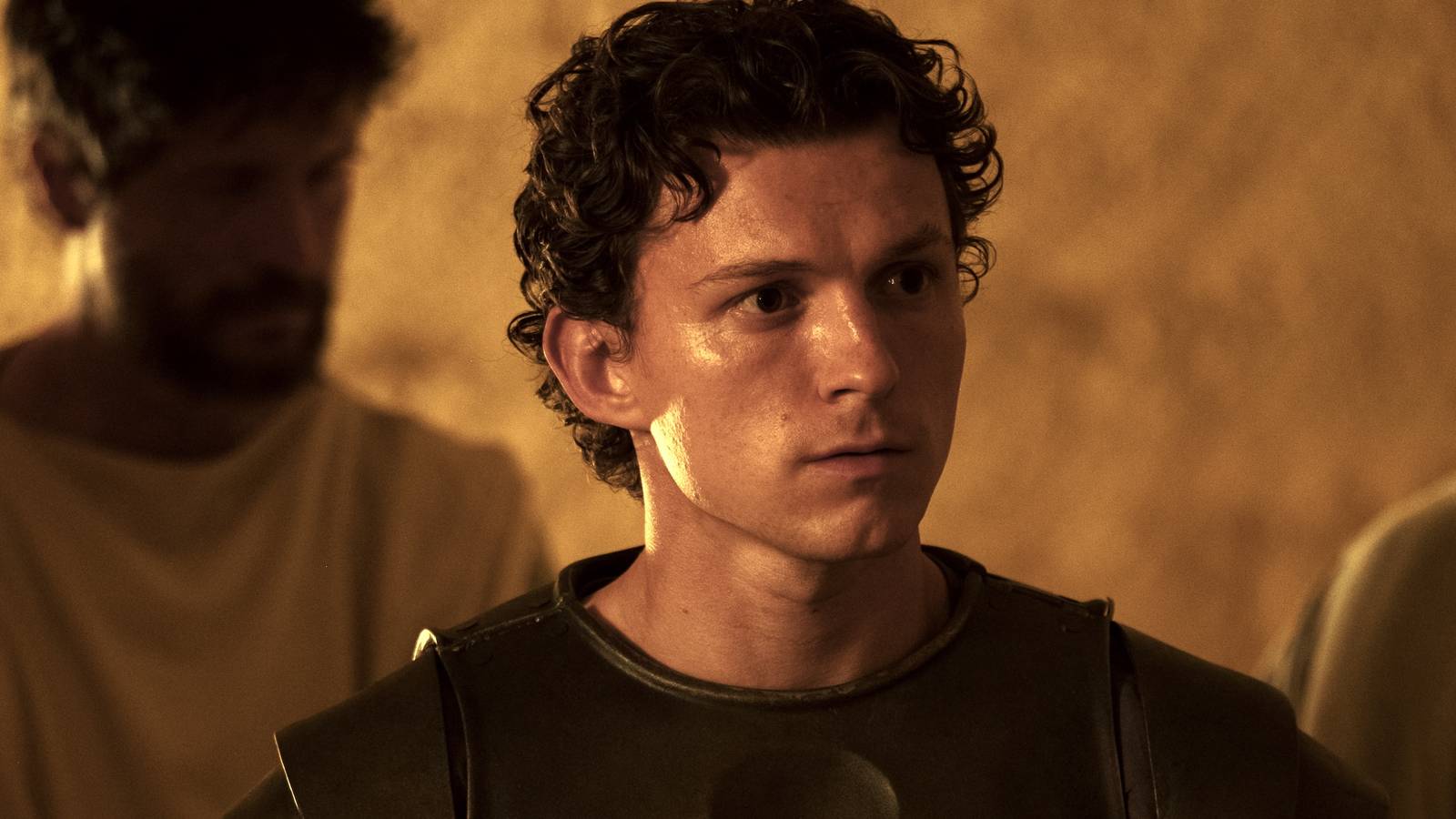
It’s a philosophy of serious commitment and scale, one that left a profound impact on Holland, who plays Telemachus, the son of Odysseus, in Nolan’s next film. Arriving on set in Morocco, the veteran of Marvel’s CGI-heavy machine found himself thoroughly disoriented by the sheer physical reality of the shoot. Speaking to GQ, Holland admitted that instead of the usual tech crews and blue screens, he was greeted by what felt like miles of actual Greek soldiers and practical ships.
Watching Nolan orchestrate a production of that magnitude fundamentally reset Holland’s expectations of how a blockbuster can (and should) be made. That experience followed him straight back to Sony and Marvel. During the development of Spider-Man: Brand New Day, Holland told Variety that he flatly rejected the studio’s standard practice of “figuring it out on set.” Instead, he demanded that the film justify its own existence beyond simply being the next lucrative installment of the franchise.
“We are not going to come to set and figure it out. We need to know why we are making this movie beyond the fact that it’s ‘Spider-Man 4’ and they make loads of money, and we’re going to just have a big summer. Why are we making this movie?”
Holland even admitted invoking Nolan’s methods during calls with producers, using the director as his ultimate leverage. For years, Marvel’s assembly line has been defined by extreme flexibility — a “fix it in post” mentality that allows the studio to reshape narratives deep into the editing process. But now, one of the most bankable heroes in its ever-growing tapestry is laying down the law, demanding a very different approach. By forcing a six-month delay to accommodate The Odyssey, Holland inadvertently gave director Destin Daniel Cretton time to fully write and refine the Spider-Man script before a single frame was shot, thereby actively fighting the studio’s worst impulses.


Whether Holland can actually move the needle long-term is another question entirely. Marvel’s production model isn’t just a collection of habits; it’s a massive, interconnected machine built to serve shifting release schedules across dozens of projects. For all his web-slinging pizzazz, even Spider-Man can only exert so much influence over a system that has operated the same way for well over a decade.
Still, Holland’s rebellion is a crucial step forward. We may never see Nolan direct an Avengers movie himself, but his influence is already altering the MCU from the inside out. If the web-slinging icon is asking why Marvel can’t be a little more like Christopher Nolan, it’s a question Kevin Feige and his producers should start taking seriously.