![26th Mar: The Battleship Island (2017), 2hr 12m [TV-MA] – Streaming Again (6.55/10)](https://occ-0-1081-999.1.nflxso.net/dnm/api/v6/Qs00mKCpRvrkl3HZAN5KwEL1kpE/AAAABc34g2xLpz3Qtdf5GrB5xE2Qe0OGNhnEYD4DJDJ00xNsz3L6i-0uhilI92cVIh5TKzgY1TazafZb4zI24P6jWrUsHASkyzgtklR7.jpg?r=aaa "26th Mar: The Battleship Island (2017), 2hr 12m [TV-MA] – Streaming Again (6.55/10)")







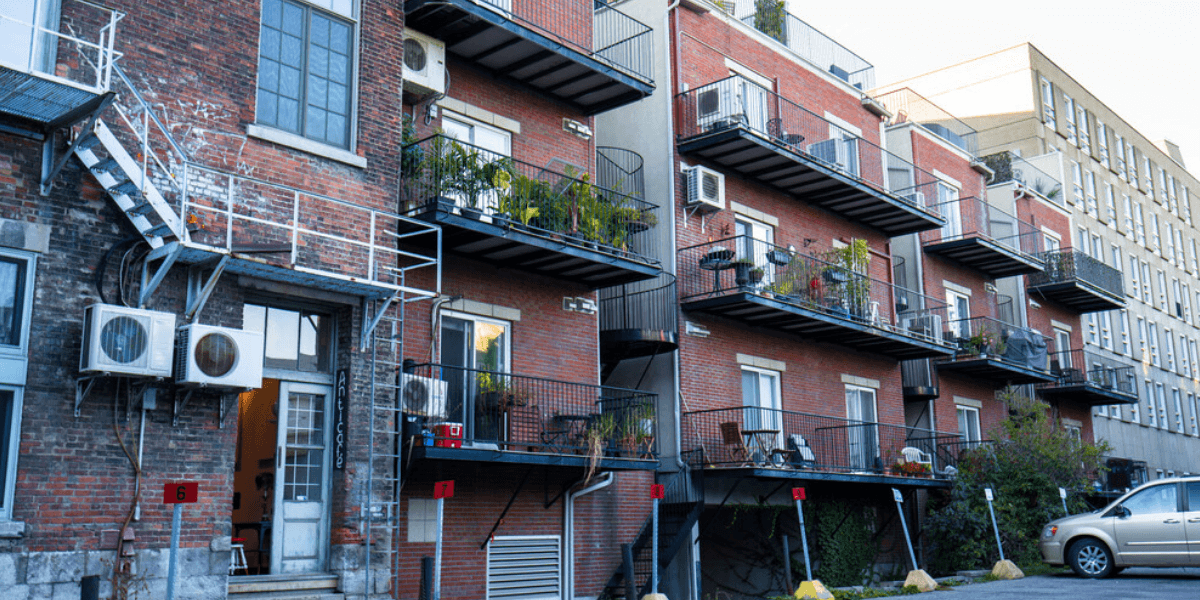
Lease renewal season is in full swing across Quebec, and if you haven’t received a rent increase notice yet, your landlord may still have time to send one. But once that document lands in your hands, you might be wondering whether you actually have to accept whatever number is on it.
The short answer is no.
Quebec law gives tenants real options when it comes to pushing back on a proposed rent hike, and knowing how to use them can make a meaningful difference come renewal time.
How much notice does your landlord have to give?
Landlords are legally required to notify tenants of any changes to their lease, including a rent increase, between three and six months before the lease end date. Miss that window, and the landlord forfeits the right to request an increase for that cycle entirely. They’d have to wait until the next renewal period to try again.
How to refuse the increase
Any valid renewal notice must include three response options: accept the new conditions, refuse them and vacate the unit, or refuse the changes while indicating you want to stay. That third option is the one to know. Checking it puts your landlord on notice that you’re contesting the proposed increase.
From there, your landlord has one month to file a request with the Tribunal administratif du logement (TAL), which would then decide what’s reasonable. If they don’t file within that window, your lease automatically renews under the same terms and at the same rent as before.
It’s also possible to settle things directly with your landlord without involving the TAL. If both sides can agree on something, it’s worth drawing up a new lease that reflects the updated terms. Either way, hold onto a signed copy of your lease and any documentation related to notices sent or received, including dates.
What counts as an excessive rent increase in Quebec?
For 2026, the TAL recommends a rate of 3.1% for leases starting between April 2, 2026 and April 1, 2027, based on its simplified calculation formula. That said, Quebec has no fixed legal cap on rent increases, so landlords can technically propose more.
To help tenants gauge whether a proposed hike is reasonable, the TAL offers an online calculator. It factors in four indicators, including the Consumer Price Index and municipal property taxes. Landlords can also make a case for a higher increase if they’ve made major renovations, faced a rise in municipal taxes, or seen their insurance premiums go up.
Can your landlord raise the rent more than once a year?
No. According to the Front d’action populaire en réaménagement urbain (FRAPRU), landlords can only increase rent once per year, and only during the designated renewal period. That rule applies regardless of how long your lease is.
This story was adapted from the article, “Tu peux refuser l’augmentation de loyer de ton proprio au Québec et voici comment,” which was originally published on Narcity Quebec.