




![1st Aug: WWE SummerSlam (2026), 39 Seasons [TV-14] – New Episodes (6.85/10)](https://occ-0-586-590.1.nflxso.net/dnm/api/v6/0Qzqdxw-HG1AiOKLWWPsFOUDA2E/AAAABQQ_EB8G0bFkGutPnlPTi-lYdXP3siHn_iB483XwW8RjdzYCpReJJisv9HA7ZoIqLCoaalfztCNRBGZbDYXmZvWXvQf22kfpIVvT6AmhECDkYnXt9mY0A8lTzTJnuyPWu2Rs_P_DU9CaNFPIA30mzOlOXLebHFkKwKzPKkp-4YxN0p7AkLZNuiQG4-s53wRkOdWyUP5k3TGupG67NnEyTxEHPOKt32zVSTI-wtuX-Dup9iQmTYH2XdSANYhMCbxsV4wJt8fBQw1YgfwzYDltQkNLWZW9MLm35dDSIWz0t8GmVtcSZTIXNlw_S4WEuI7Tzb-OVyApt5ruBvIHnwA-AFc.jpg?r=678 "1st Aug: WWE SummerSlam (2026), 39 Seasons [TV-14] – New Episodes (6.85/10)")




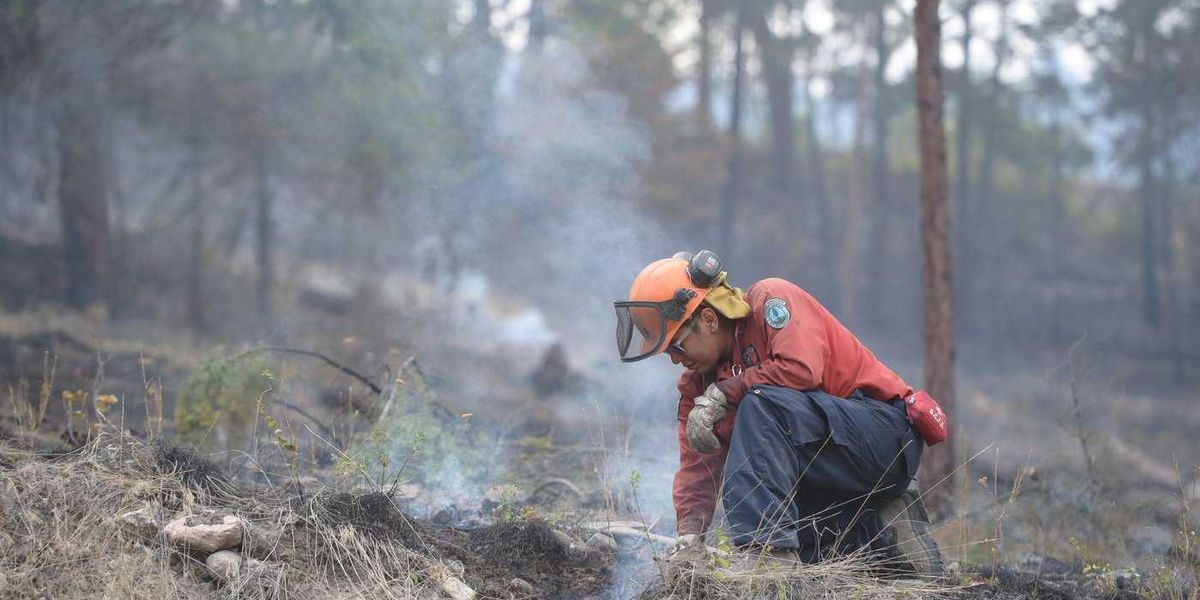
Joe Gluska, his wife and his daughter had 45 minutes to pack what mattered most to them after RCMP officers came to their door in West Kelowna, B.C., on Tuesday, telling them to get out as a wildfire grew nearby.
The family lives about a block from Kalamoir Regional Park, where the fire burned for much of the day before firefighters were able to stymie its growth.
The BC Wildfire Service reclassified the fire as “held” at about 4:30 p.m., and the Central Okanagan regional emergency management centre downgraded an evacuation order for 357 properties about two hours later, allowing people to return home.
A total of 742 properties remained subject to an evacuation alert as of Tuesday evening, with about 1,600 residents told to be ready to leave on short notice.
Gluska said his family grabbed clothes, medical equipment and a hard drive including family photos, before making their way to safety.
“My wife and my daughter, we’re fine. Everything else is just stuff,” he said in an interview while the evacuation order was still in effect.
“That’s the most important thing, and everything else, you know, we can deal with it.”
Tactical evacuations were already underway when the evacuation order was issued for the homes just south of the floating Bill Bennett bridge that leads into Kelowna.
Gluska described white smoke in the morning and winds picking up to what he estimates was about 40 to 50 km/h.
“It was blowing straight north, right at our house, so all of a sudden, you know, the smoke got a lot more intense as it was going through,” he said.
He watched planes and helicopters battle the blaze before police began going door-to-door telling people it was time to evacuate.
An update from the BC Wildfire Service later Tuesday said the eight-hectare fire was no longer expected to spread beyond its existing perimeter or control lines.
Jason Brolund, West Kelowna fire chief, said no homes were lost.
“Today could’ve been a disastrous day,” he told reporters. “It was a very close call.”
The blaze was discovered as provincial officials provided an update on B.C.’s wildfire outlook on Tuesday, saying spring showers and a slow start to the season were “masking” underlying drought and the likelihood of increased fire activity.
Neal McLoughlin, superintendent for predictive services, told the news conference that current drought patterns are worse compared with those recorded at the same time of year in the historic fire seasons of 2017, 2018 and 2021.
West Kelowna was at the centre of a firestorm in 2023, when nearly 190 structures were burned and more than 30,000 people were evacuated across the central Okanagan region. The B.C. government declared a provincewide state of emergency.
Gluska said the family had a “go-list” prepared of critical items to take in the event of a fire after they spent days under evacuation alert during the 2023 wildfire.
He said Tuesday’s evacuation went smoothly and that officials were better prepared than they were three years ago.
“Even though there’s a lot of nervous energy, it’s not the nervousness of chaos, where you don’t know really what to do,” he said.
“(This time) you know who to contact, and the fire department and the emergency services are much better prepared than they were for the West Kelowna fire.”
McLoughlin said it’s unlikely B.C. will get enough rain to mitigate its persistent drought, and it will take just one or two weeks of summer heat to dry out surface-level fuels that are susceptible to ignition, especially with the onset of lightning season.
“Vigorous” fires that are difficult to control are expected throughout southern B.C. as the season peaks in July or August, he said.
A second fire burning out of control south of Kamloops on Tuesday forced the evacuation of one property.
The BC Wildfire Service has said the Kullagh Creek wildfire spans 1.3 square kilometres in size and was anticipated to spread beyond its current perimeter.
Dave Campbell, head of B.C.’s River Forecast Centre, said warm weather this spring has driven an early snowmelt in southern B.C., where rivers and streams in some areas are running at low levels for this time of year.
Models also show with “near certainty” that B.C. will see hotter-than-normal temperatures over the next few months, he said.
Still, officials said the province is ready for what’s to come, with Forests Minister Ravi Parmar pointing to the wildfire service’s year-round mitigation efforts and expanded use of night-vision technology to help crews work overnight.
“Our teams are ready to go in every corner of the province,” he said, adding the province has been hiring and training firefighters earlier than in the past.
The service’s website showed there were more than a dozen wildfires across B.C. on Tuesday, with a handful classified as burning out of control.
This report by The Canadian Press was first published June 16, 2026.
Copyright 2026, The Canadian Press. All rights reserved.
