





(FOX 9) – The world is experiencing more rainfall, but many areas are actually getting drier at the same time, according to new research published in the peer-reviewed British journal Nature.
Global rainfall patterns are changing
Big picture view:
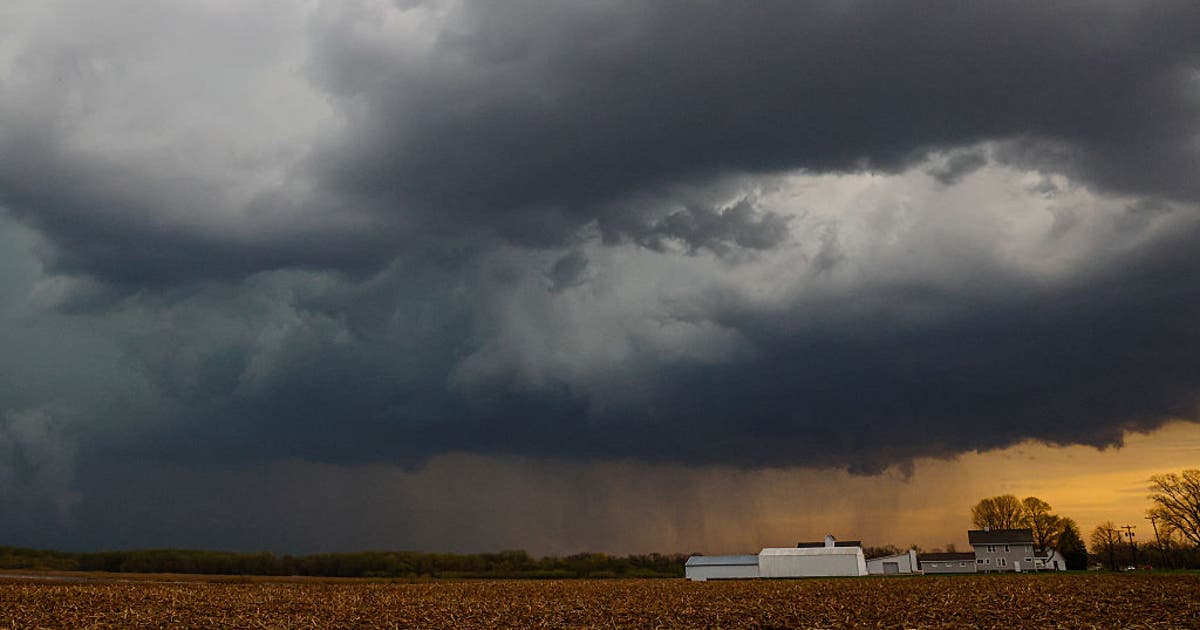
This is what is often referred to as a “feedback loop”… for the most part. There’s a laundry list of evidence that confirms rainfall is increasing in many areas across the globe. But this new study shows that the added rainfall is not distributed evenly throughout the year. The rain is getting packed into bigger storms that produce even heavier rainfall, and then there are longer dry spells between these storms.
Heavier rainfall at one time causes excessive runoff as it overwhelms what the soil can absorb. Less absorption means a drier soil overall, especially as the drier periods are getting longer. So, when it rains, it pours even harder, and that excessive rainfall then runs off into ecosystems and waterways. While that can temporarily replenish and swell waterways, that water is then more readily available to evaporate from warmer temperatures and the longer dry periods that follow. Then the process starts all over again with the next heavy rain.


Map of rainfall concentration. (Nature, a peer-reviewed British journal. / Supplied)
The map above shows the areas across the globe that have had the largest impact based off of global precipitation records from 1980 to 2022. The blue areas have more impact while the brown areas have less impact. A lot of the U.S. is included, especially the west… as well as much of South America. Both areas are largely impacted with more rain in fewer events. While the poles, especially as you get into the arctic regions of Russia, Canada, and Alaska, are actually experiencing less of an effect… with a similar increase in both rain and rain events.
Local perspective:
What does this mean for the average person? Well, it’s not just your imagination; Minnesota has dealt with wild swings in both drought and flash flooding over the last few years as both are likely to become even more common in the years ahead.
But a big issue associated with this shows that the management of public water supplies will get increasingly more difficult as the water supplies could become a lot more erratic in the years and decades ahead. This is why water conservation is important as we navigate the years and decades ahead.
The full study can be read here.