![14th Jul: Quarterback (2026), 3 Seasons [TV-MA] – New Episodes (7/10)](https://occ-0-1381-999.1.nflxso.net/dnm/api/v6/0Qzqdxw-HG1AiOKLWWPsFOUDA2E/AAAABUdMQvYlQS5Df1Cb6ZHamL1ROUqPYIVsp0MDHEVP65r9tCPi1qavj_3S7qoedadKRWlU1_22NBhQWqbJpc1GZMffsgzBA0JOCz2rPl0NTpHO__ucnQoGDzlPo4yahNAsnYP3H25cvWqe0o4eIsXN85GMaY-4WKDP0msWVm11.jpg?r=da3 "14th Jul: Quarterback (2026), 3 Seasons [TV-MA] – New Episodes (7/10)")






Patch Notes is a weekly newsletter bringing you the best of Polygon, sent on Fridays and published on the site on Sundays. You can subscribe here.
Subnautica 2 is finally out in early access. It’s a relief. It’s a relief because we can finally focus on the game instead of the corporate drama surrounding it, which involved the publisher delaying the release and firing key developers to try to get out of paying a massive bonus. Well, now the devs are reinstated, and the game is out. The bonus thing is still to be settled, but either way, it’s another defeat for that strange short-circuit that can occur in the late-capitalist system, persuading CEOs that it’s sometimes better to not make a thing than to make it. (I’m looking forward to seeing Coyote Vs. Acme, too. In your face, debt writedowns.)
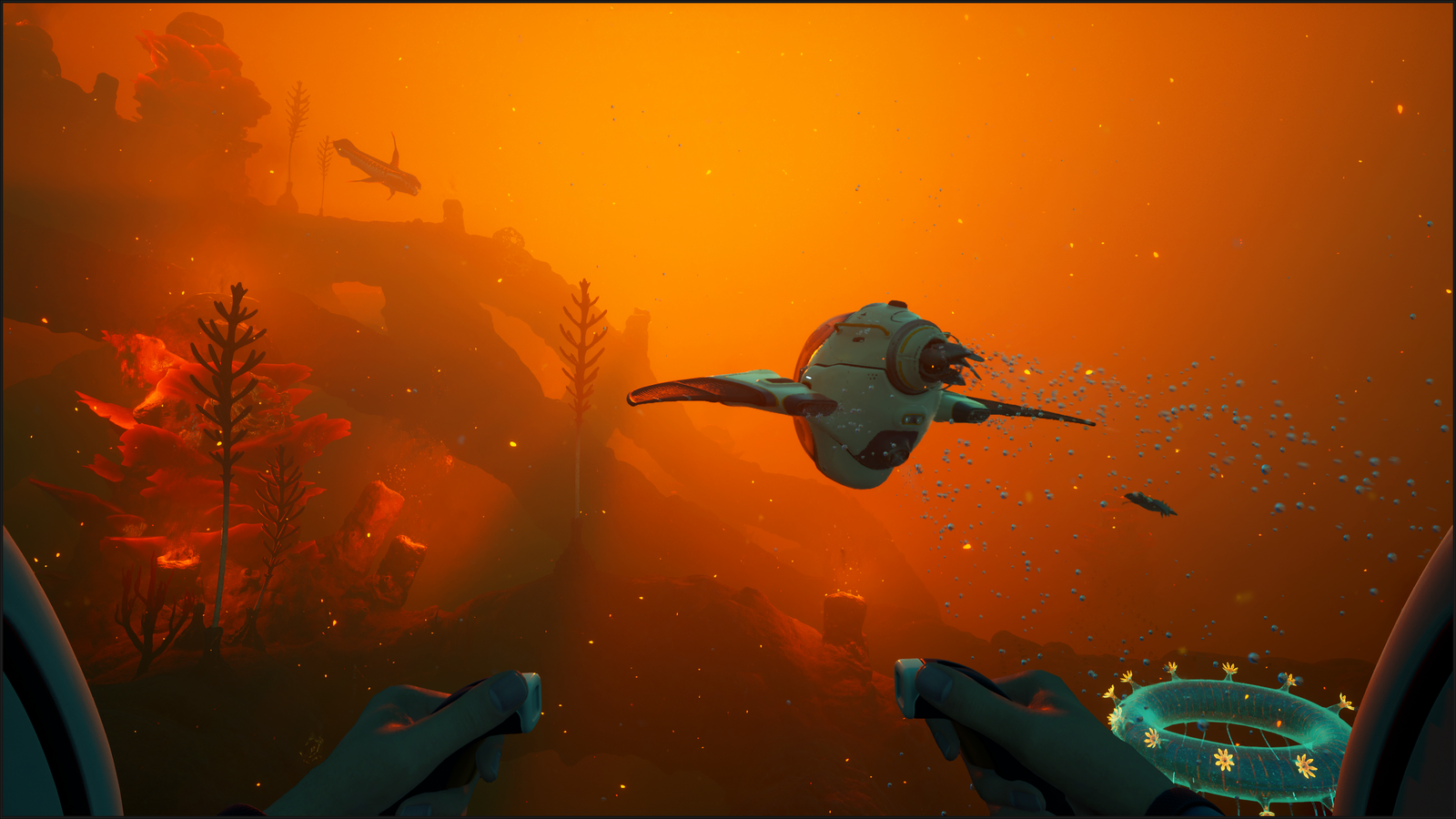
It’s also a relief because we now have abundant evidence that, while all this nonsense was going on, the developers at Unknown Worlds were quietly toiling away making more Subnautica. The game wanted to be made; the art needed to happen, and never mind the office politics. Subnautica 2 is still in early access, but according to Polygon’s Josh Broadwell it’s in pretty great shape, and will only get better. Within moments of its launch on Thursday, almost half a million people were playing it on Steam. Soon after, Unknown Worlds boasted the game had sold a million copies in an hour. This will somehow be bad news for publisher Krafton’s CEO and shareholders, but frankly: tough. They made a bad deal and must live with it. The rest of us can enjoy the game.
Perhaps the most surprising thing about Subnautica 2 is its intense focus on storytelling and the timeliness of its themes. This is a game in which an AI assistant tries to micromanage everything you do and shape your understanding of the world. This is a common theme for sci-fi survival games (like The Alters), and doesn’t sound directly relevant to the bizarre circumstances of the game’s making. But then again… maybe it does. After all, it’s about a system trying to trip up and control the human labor that goes into it.
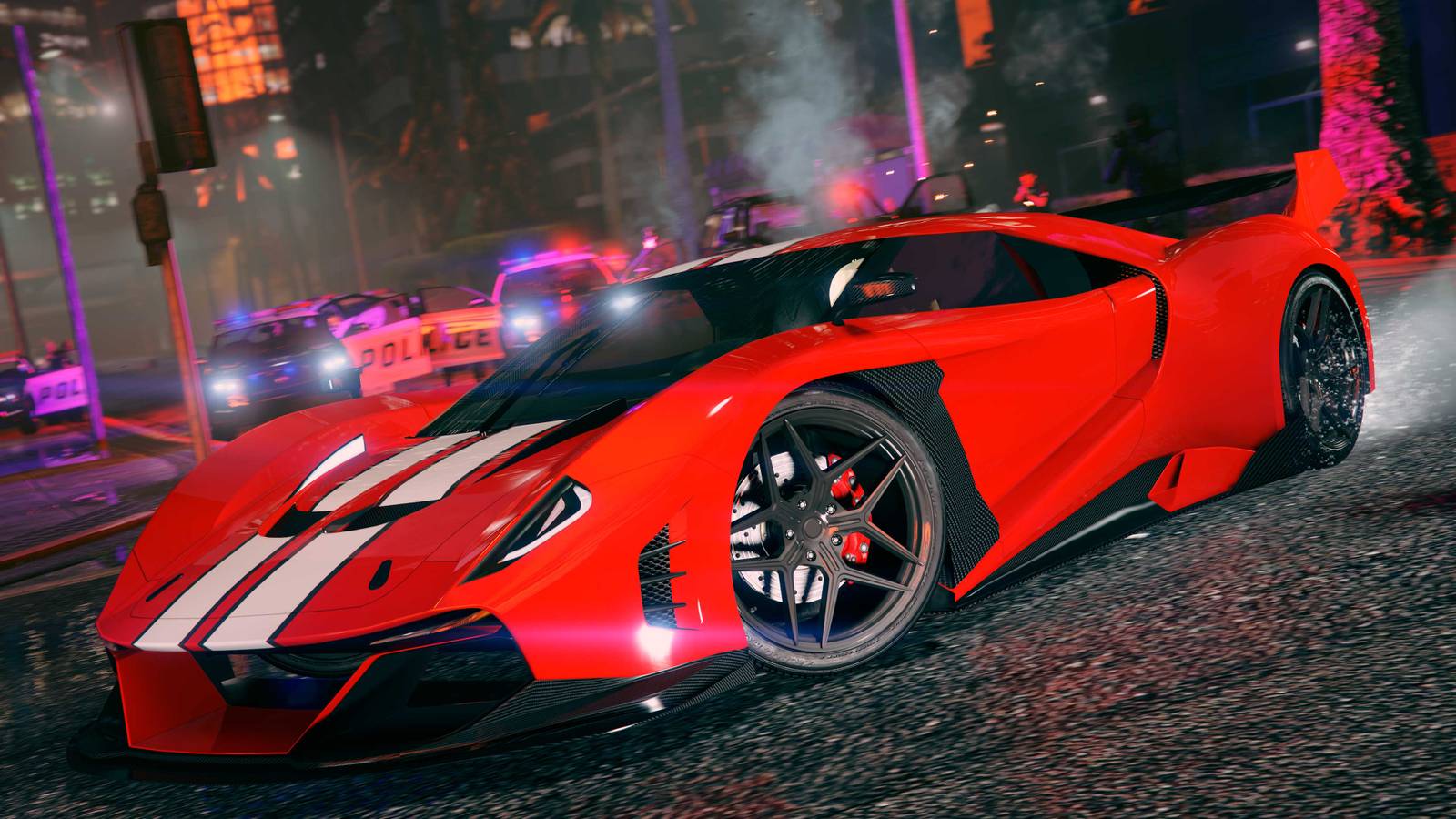
There’s surely no such corporate dissonance going on over at Playground Games, the developer that has quietly built itself into one of Microsoft’s most valuable studios, and Forza Horizon into an arguably more important and relevant standard-bearer for Xbox than Halo. Forza Horizon 6, which is available for some players now ahead of a full launch next week, has not broken Playground’s streak of 90-plus Metacritic scores, something no other Microsoft studio — not even Bethesda or Blizzard — can claim. The Game Pass numbers will be great; so will the PlayStation 5 sales later this year. The new Xbox leadership team will be happy. The art and the system are in harmony.


But here’s an uncomfortable truth about video games, especially video games in popular franchises. They are systems too; they are machines that acquire a momentum of their own that can disregard the impulses of human creativity. Subnautica 2 is more of the same, but better. Forza Horizon 6 is more of something that was already pretty much perfect. Both are triumphant works of craft — one made in conditions of absurd, self-defeating adversity, another made in the gilded cage of its predecessors’ excellence. Neither takes any risks at all.
In Polygon’s Nintendo newsletter Switchboard this week, I wrote about the great designer Takashi Tezuka, who has just retired. In 1993, Tezuka set out to break the format of the Legend of Zelda series with Link’s Awakening for the Game Boy. Just seven years after the first game, he was already looking for ways to mess with the machine. That spirit has stayed with Zelda games ever since, and made an immeasurable contribution to their longevity.
That’s the thing about these self-sustaining sequel systems; their inertia may be huge, but it will always be overcome by players’ natural desire for new experiences. I can’t imagine the courage it took to make Subnautica 2 at all. Nor can I imagine the courage it would take for someone at Playground to suggest ripping up the formula for one of the most successful racing games in history. But if they don’t, someone else will.


Subnautica 2 escapes a wave of controversy and should keep getting better
Josh Broadwell drowns in the detail of Unknown Worlds’ survival sequel

Forza Horizon 6 perfects a formula — and raises questions about the future
I tour Japan and find a game in such harmony it’s almost suspicious

20 Subnautica 2 beginner’s tips to help keep you alive
Josh Broadwell helps us understand how to die slightly less often
Plus this:

The Cyberpunk TCG will avoid the biggest problem in modern card games
Corey Plante talks to the creators of the biggest Kickstarter game ever

Obsession pulls off the impossible: an original take on the possession horror movie
Jesse Hassenger salutes a more secular menace for a less religious era

Chris Farley’s brother reveals the version of Shrek we almost got
Brian VanHooker talks to Tom Farley about what would have been a very different movie

The most difficult challenge in Mixtape is its hero’s attitude
Giovanni Colantonio agrees that yes, Stacey Rockford is a jerk — that’s the point

Big year for bus
Ford James waited ages for a new bus game, then three came along at once