




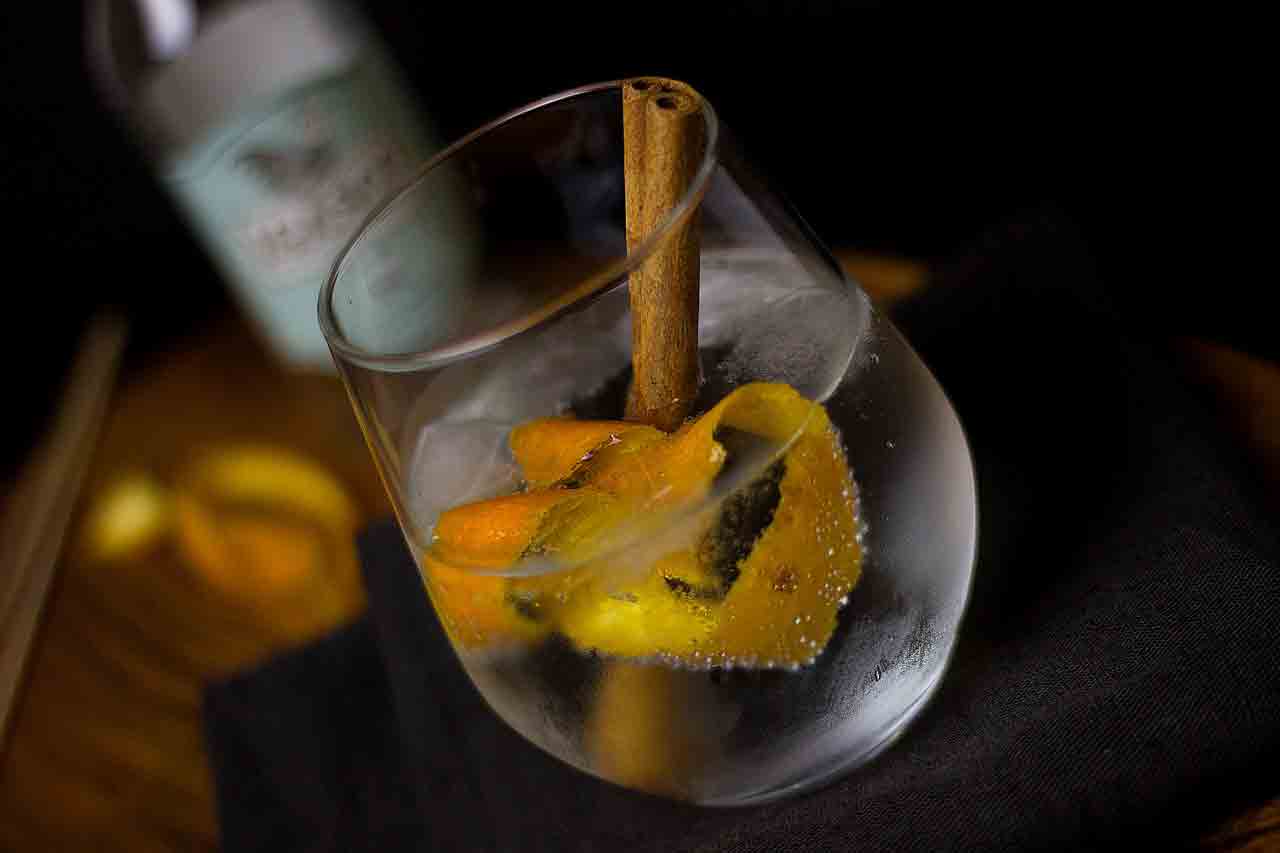
A Spirit with Deep European Roots
Gin is a juniper‑driven spirit with centuries of history, a vast range of styles, and unmatched versatility in cocktails. Its evolution—from Dutch medicine to London Dry precision to today’s global craft renaissance—makes it one of the most expressive spirits in the world.
Gin traces its roots to 17th-century Netherlands, where a juniper-flavoured spirit called genever (or jenever) was used medicinally. British soldiers discovered it during the Thirty Years’ War and brought it back to England, sparking what became known as the “Gin Craze“ of the 1700s — a period when gin consumption in London became almost epidemic.
While the Gin & Tonic is still popular in England, gin’s use in martini cocktails has largely been replaced by vodka around the world. With premium handcrafted and flavored gins on the rise, our expert reviews help you find the best gins.
How Gin is Made
Base spirit: A neutral grain spirit (usually wheat, barley, or corn) is distilled first.
Botanicals: Juniper berries plus a blend of other botanicals (herbs, spices, fruits, roots) are added.
Re-distillation: The spirit is redistilled to infuse the flavors.
Dilution: Water is added to bring it to the desired strength (typically 37.5%–47% ABV).
Major Styles of Gin
London Dry: Juniper‑forward, crisp, no added sweeteners; a production method, not a geographic origin. Ideal for Martinis, G&Ts, Negronis.
Old Tom: Slightly sweeter; historically used in 19th‑century cocktails.
Navy Strength: Bottled at ~57% ABV; intense and powerful.
Genever: The Dutch ancestor—malty, rich, whisky‑like.
New Western / Contemporary: Juniper present but not dominant; distillers highlight citrus, florals, herbs, or regional botanicals.