

![1st Aug: WWE SummerSlam (2026), 39 Seasons [TV-14] – New Episodes (6.85/10)](https://occ-0-586-590.1.nflxso.net/dnm/api/v6/0Qzqdxw-HG1AiOKLWWPsFOUDA2E/AAAABQQ_EB8G0bFkGutPnlPTi-lYdXP3siHn_iB483XwW8RjdzYCpReJJisv9HA7ZoIqLCoaalfztCNRBGZbDYXmZvWXvQf22kfpIVvT6AmhECDkYnXt9mY0A8lTzTJnuyPWu2Rs_P_DU9CaNFPIA30mzOlOXLebHFkKwKzPKkp-4YxN0p7AkLZNuiQG4-s53wRkOdWyUP5k3TGupG67NnEyTxEHPOKt32zVSTI-wtuX-Dup9iQmTYH2XdSANYhMCbxsV4wJt8fBQw1YgfwzYDltQkNLWZW9MLm35dDSIWz0t8GmVtcSZTIXNlw_S4WEuI7Tzb-OVyApt5ruBvIHnwA-AFc.jpg?r=678 "1st Aug: WWE SummerSlam (2026), 39 Seasons [TV-14] – New Episodes (6.85/10)")
![2nd Aug: Mikael: Pemburu Dua Alam (2025), 1hr 59m [TV-MA] (6/10)](https://occ-0-858-92.1.nflxso.net/dnm/api/v6/0Qzqdxw-HG1AiOKLWWPsFOUDA2E/AAAABWem_q-0IECbhfLQlR6wQFIvsQYeZF1f4M3Jtn0kzN6WJwzmxuR1bCe-KJ9IFr5m0xt8NgNzHqzW9K9VXdwadUG5GKFQhcupMbGNo3TtLJweTg0KqCw74ORWkTTY4YExNEIVpiI0frCIP6Y0yhTdlgdubvs_s6DWI-Fs4FbBeBg0Tg.jpg?r=73e "2nd Aug: Mikael: Pemburu Dua Alam (2025), 1hr 59m [TV-MA] (6/10)")



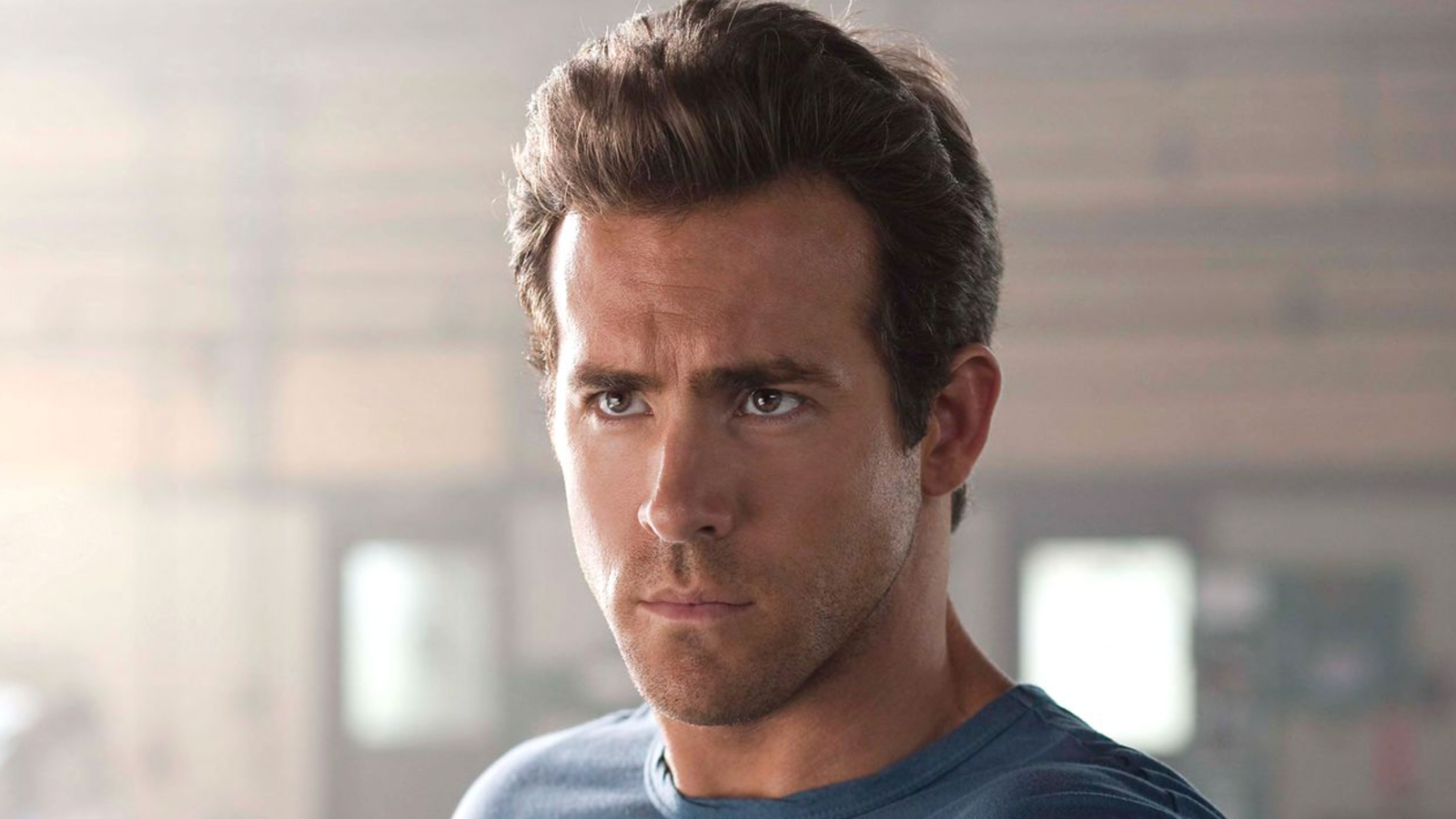
Who is Ryan Reynolds? For much of the 2000s, even Reynolds appeared to be figuring that out. The actor got his big break starring as the sarcastic but charming slacker Michael “Berg” Bergen on the ABC sitcom Two Guys, a Girl and a Pizza Place, which ended abruptly in 2001. Reynolds leaned into raunchy comedy with Van Wilder (2002) and Waiting… (2005). There was also a string of successful romantic comedies with Just Friends (2005), Definitely, Maybe (2008), and The Proposal (2009). He even dabbled in more gruesome fare with The Amityville Horror (2005) and Buried (2010). Yet we also saw him experiment with being an action hero through supporting roles in Blade: Trinity (2004) and X-Men Origins: Wolverine (2009), where he relied heavily on the wisecracking persona that had already become his trademark.
Reynolds has always had the face of a romantic lead and the body of a superhero, but he also has the comedic chops to carry anything from a raunchy comedy to lighter fare. In a 2005 interview with Black Film, he spoke about pursuing work “outside of [his] wheelhouse.” When you can do it all, where do you go next? For Reynolds, the next step in his journey as a Hollywood leading man led to one of the most important movies of his career, but unfortunately wound up as something of a disaster. The problem wasn’t that Reynolds couldn’t do any of those things. The problem was figuring out which version of Ryan Reynolds audiences actually wanted.
June 17 marks 15 years since Green Lantern was released. In its second weekend, it was eclipsed by Cars 2 and Bad Teacher at the box office, going on to lose an estimated $75 million for Warner Bros. To date, it’s still considered one of the worst superhero movies ever, with 25% from critics and 45% from audiences on Rotten Tomatoes.
Reynolds stars as Hal Jordan, a test pilot who joins the intergalactic police force called Green Lantern Corps after a cosmic ring chooses him to wield the green energy of willpower. It’s a straightforward origin story that sees Jordan become Earth’s first Green Lantern before facing Parallax, a cosmic entity fueled by fear. But Green Lantern largely squanders its huge budget on excessive CGI and a thin script.
“I think it was fundamentally doomed from the start because there wasn’t really a functioning script or identity for it,” Reynolds told The Los Angeles Times in 2016, explaining that the movie focused too much on world building and not enough on clarifying what sort of message it was trying to say. Last year, at the Time100 Summit in New York, Reynolds said, “Too much money, too much time wrecks creativity — and constraint is the greatest creative tool you can possibly have.” Hindsight is 20/20.
“That was a time in my life when I was, ‘Yes, sir, no, sir. How high can I jump, sir?'” Reynolds said in another interview last year. One of the most important lessons he learned from Green Lantern, then, was how to trust his own voice and creative instincts. “They don’t say ‘This producer’s movie flopped,’ or ‘This director’s [movie flopped].’ That’s me,” he said. “So if I’m going to be on that headline, I’d like to be the architect of my own demise — or success.”
Even before Green Lantern, Reynolds had spent years trying to convince 20th Century Fox to make a proper Deadpool movie. Reynolds first played Wade Wilson in X-Men Origins: Wolverine, but fans widely criticized the film’s bizarre take on the character. Alongside director Tim Miller and writers Rhett Reese and Paul Wernick, Reynolds had a different vision: an R-rated superhero comedy that embraced the wisecracking anti-hero fans knew from Marvel’s comics.

The studio wasn’t convinced. Executives reportedly doubted there was an audience for an R-rated superhero flick, and development stalled for years. In 2014, test footage created for the project leaked online and generated an overwhelmingly positive response. (Reynolds admitted to leaking it in 2025.) Fox finally greenlit the project with a modest budget that forced the filmmakers to be creative. Remember, “constraint is the greatest tool you can possibly have.”
Those constraints wound up becoming one of Deadpool‘s greatest strengths. Rather than burying audiences beneath CGI spectacle and franchise-building, the movie focused on character, humor, and Reynolds’ unique voice. Heading into the movie’s final act, Deadpool even forgets his bag of guns in a taxi, which made for a tighter final battle. Released in 2016, Deadpool became a massive hit, earning more than $780 million worldwide and briefly becoming the highest-grossing R-rated movie ever made. Across three Deadpool movies that cost an estimated $368 million to produce, the franchise has earned a combined global box office of $2.9 billion.
Looking back 15 years later, Green Lantern remains one of the biggest failures of Reynolds’ career. It also may have been one of the most important. The movie taught him to trust his instincts, fight for the projects he believed in, and stop trying to become the kind of movie star Hollywood expected him to be. He also met his wife. Blake Lively stars as Carol Ferris, Hal Jordan’s romantic interest. Today, they have four kids.
The Ryan Reynolds audiences know today wasn’t created by Green Lantern‘s success. He was forged in its failure.
Green Lantern is currently available to stream on HBO Max.

It took an illegal act to get Deadpool made
How leaked footage, and a tiny budget, allowed it all to happen