



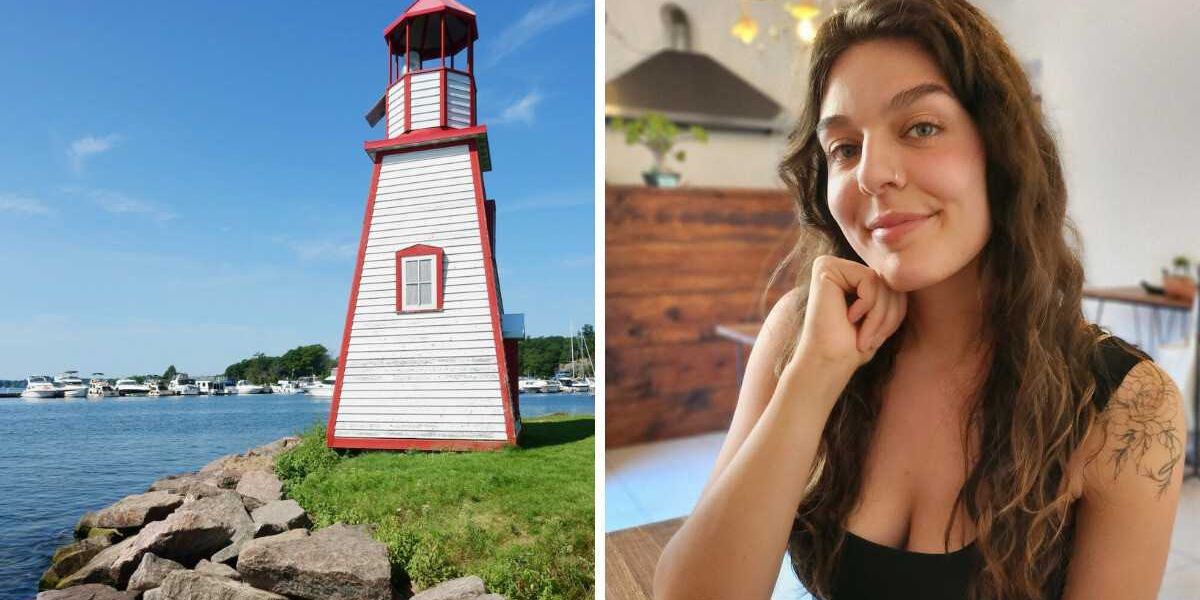
Once upon a time, I decided to uproot my city girl life and move from Toronto to a tiny town in Ontario. We’re talking tiny, like a population of 5,500, tiny.
I know, wild right? But I had my reasons. First of all, Gananoque (where I moved to) is one of the prettiest places I’ve ever visited in Ontario. Second, I was in desperate need of a change. And while Toronto has a lot of perks, I was ready for a new chapter.
So off I went. I wasn’t entirely sure if I was making the right decision, but I thought, what the heck, why not give it a shot. I’d been craving more space, more proximity to nature, and cheaper rent. I knew there’d be a lot to adjust to, but I figured I’d cross that bridge when I get there. And while there were a ton of reasons I loved living there, in the end, the lifestyle was simply not for me.
So here are some of the things I learned the hard way about randomly deciding to relocate to small-town Ontario after a lifetime of city living.
The spotlight will be on you for a hot second
Strolling through small towns.
Brittany Barber | Narcity
When you’re new to a small town, people will notice. Not necessarily in a creepy way (although sometimes it can feel a little intense), but because new people are genuinely interested in places where the social landscape doesn’t change that quickly.
People may ask where you’re from, why you moved, what you do, whether you bought or rent, if you know anyone in town, and how long you plan on staying. Your arrival becomes a tiny local event. For a while, you may feel like you’re being quietly assessed, even by people who are perfectly nice.
More space does not mean more privacy

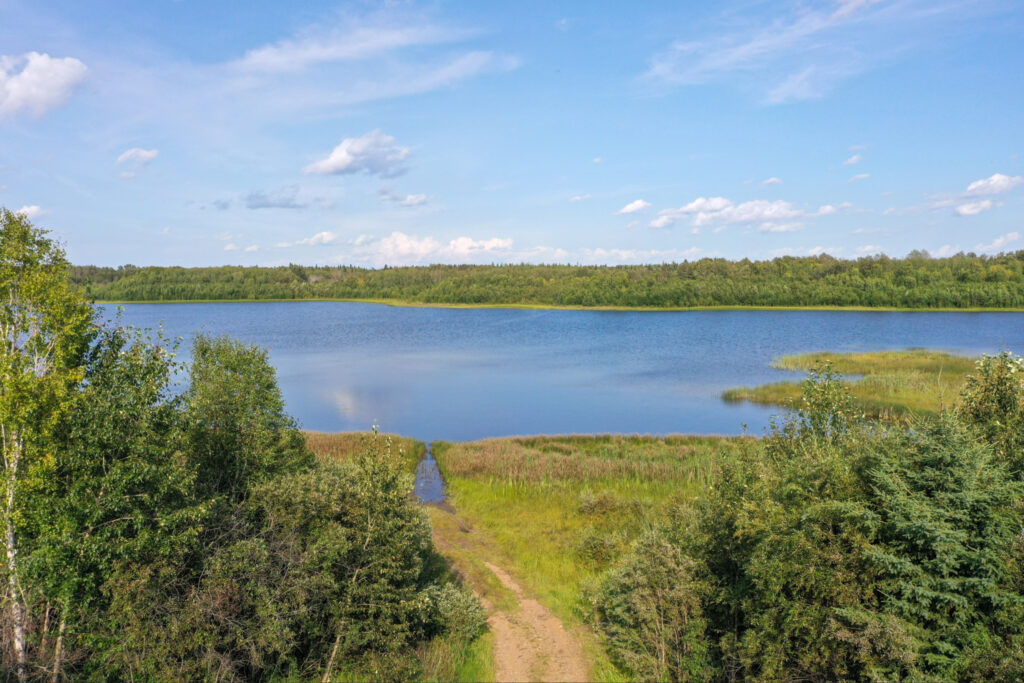
River cabins in Gananoque.
Emad aljumah | Getty Images
One of the biggest misconceptions I had about moving to a small town was that having more space would automatically make life feel more private. And sure, in some ways it did — a bigger backyard and more physical space between my place and the neighbour did give me a bit of room to breathe, especially coming from apartment living in Toronto. But socially, privacy felt a lot harder to come by.
In Toronto, it was easy to enter a bar or restaurant without running into someone you know. In a small town like Gananaque? Fat chance. People notice whether your car is in your driveway, who you’re with at the grocery store, whether you’ve been going out more than usual, or whether you haven’t been seen in a while. The physical, geographic space may exist, but the social distance can feel a heck of a lot smaller.
Dating gets weird really fast
Dating in a small town is not for the faint of heart. The pool is smaller, the overlap is intense and there’s a good chance someone you’re interested in has dated someone you know — or someone you’re about to know.
Privacy goes out the window pretty quickly. People may notice who you’re having dinner with, whose truck was parked outside, or who you were standing beside at the bar. And because everyone is connected, casual dating can feel weirdly high-stakes. A fling might not stay casual if half the town has an opinion about it by Monday.
It feels more divided politically
Politics can feel different in a small town because they’re not just abstract opinions floating around online. They show up in very visible, very personal ways. They’re on lawn signs, bumper stickers, local Facebook threads, school board debates, coffee shop convos and town council decisions.
In a city, you can find your ideological bubble or avoid certain conversations entirely. In a smaller community, you’re more likely to interact with people whose views are wildly different from yours, and there may be fewer places to retreat. That can be eye-opening, but it can also feel tense — especially around election season.
People you don’t know will know personal things about you
There was something slightly unsettling to me when I realized a person I’d never properly met already knew some details about my life. And I mean, usually it was harmless and even kind of sweet sometimes (it felt nice that people made the effort to strike up a conversation about something I was already familiar with), but if you’re a private person, it can be a bit jarring. Information bops from one neighbour to the next, through coworkers, family friends, acquaintances and someone’s uncle who “heard it from someone.”
And gossip is unavoidable
While people might know a thing or two about you, you’ll also know a thing or two about other people in the town, even if you’ve never spoken to them. In a small community, hearsay is the norm.
You’ll hear about who broke up, who moved back home, who bought a house, who’s feuding with their neighbour, who used to date whom, and which family has had drama for years. Sometimes it’s shared like casual local context, and sometimes it feels a little too personal to know.
Logistically speaking, it can be really inconvenient sometimes
Small-town life can seem peaceful from the outside, but the day-to-day logistics can be a lot more annoying than I’d initially realized. Need a specific ingredient? Good luck. Want a late-night snack? Hopefully, you planned ahead and bought snacks on your grocery run. Need a medical appointment, a niche service, a decent gym, a specialist, a certain kind of takeout or a store that carries the exact thing you need? You may have to drive to the next town over (or even farther).
It can be hard to find your people
One of the toughest parts of moving to a small town is realizing that friendliness and connection aren’t the same thing.
People may smile, wave, make small talk and be genuinely welcoming, but that doesn’t always translate into real friendship. A lot of people already have established circles, often built over years or even generations. They went to school together, their families know each other, their kids play hockey together, and their social calendars aren’t necessarily open to having coffee with the new girl in town. So, yeah, breaking into that can take a while.
There’s less cultural diversity

Small town architecture.
inacioluc | Getty Images
This one can be difficult to talk about without flattening small towns, because every place is different and Ontario itself is incredibly varied. But depending on where you move, the lack of cultural diversity can be noticeable, especially if you’re coming from somewhere like Toronto or another bigger city.
You may miss hearing different languages around you, having access to a wide range of restaurants, seeing different communities represented or being surrounded by people with wildly different backgrounds and life experiences. It’s not just about food or festivals, either. Diversity changes the rhythm of a place. It affects what people talk about, what feels normal, what gets questioned and what kinds of stories are visible. In a less diverse town, you may become more aware of what (and who) is missing.
The opinions expressed in this article are the author’s own and do not necessarily reflect the views of Narcity Media.