![17th Apr: Full Swing (2026), 4 Seasons [TV-MA] – New Episodes (7/10)](https://occ-0-7328-92.1.nflxso.net/dnm/api/v6/0Qzqdxw-HG1AiOKLWWPsFOUDA2E/AAAABZEceMehlBEFz6SQN1cDrvgHLg77N8EMVjxNIQj_OP0oSKWkY5Q24kSEosZqzw4WG0jsaJ5nMNsYhKVfG8aYwkDJUMVdBdLORRX0kTzLql4243LZ4YWY2R1VVDDtnHAiSF1hwXhE88B73-jRosXFtjWf9WI3sWhVOyUfMQt4NgfwrA.jpg?r=d39 "17th Apr: Full Swing (2026), 4 Seasons [TV-MA] – New Episodes (7/10)")







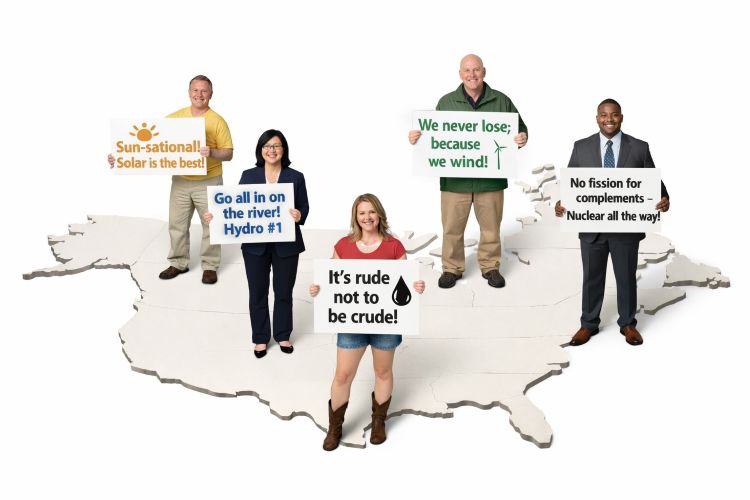
Conversations about energy, particularly about electricity generation, are often dominated by people favouring a particular generation method. We hear that solar and wind can power the world, that nuclear is the way of the future, or that coal and natural gas are doing a great job and should just continue. Each conjures its own set of figures “proving” that solar is cheapest, or that only coal is reliable, or whatever preconceived notion they want to convey – as long as you understand that their way is always the best.
But here is a fundamental principle that one-size-fits-all promoters ignore. People live in many different places around the world, and each place has a different set of resources available for electricity generation. Western Canada, much of the United States, and many countries in the Middle East sit on massive natural gas resources that can be produced cheaply and burned locally. Big domestic coal resources powered the Industrial Revolution in Europe and continue to dominate electricity generation in much of eastern Asia today. Hydroelectricity dominates in the wet, hilly northern lands of Scandinavia and much of Canada. Geothermal is big in Iceland, which literally sits atop volcanoes in the mid-Atlantic.
We can examine this power generation principle more closely courtesy of our friends at Orennia, who recently published a map showing the dominant mode of electricity generation in each state and province of the U.S. and Canada (Figure 1). In almost every case, locally abundant and affordable energy sources are the primary electricity generators. These include:
-
- Natural gas in jurisdictions containing huge gas resources – the Western Canada Sedimentary Basin, the Alaskan North Slope, the Rocky Mountain basins of the western U.S., the Gulf Coast and Permian Basin of the southeastern U.S., and the Marcellus and Michigan Basins of the northeast. Several eastern states have flipped from coal to natural gas over the past 20 years as hydraulic fracturing made locally sourced gas abundant and cheap, while reducing emissions and pollution.
- Coal still dominates, or at least is important, in jurisdictions with large coal resources – many in the same sedimentary basins hosting natural gas.
- Hydroelectricity is the main driver in lightly populated jurisdictions with abundant rain and snow, and lots of topographic relief – including much of Canada and the Pacific Northwest U.S.
Figure 1 – The biggest source of electrical power in every state and province in 2025. From Orennia
-
- Wind has stepped up over the past decade in the mid-continent, where winds blow hard and relatively persistently over wide open spaces.
- Solar appeared on the map for the first time in 2025, taking first spot in California but contributing in adjacent southern states as well – reflecting good solar availability at low latitudes, particularly in dry areas with few clouds.
Nuclear power is the one major generator that does not follow the local availability rule, although uranium mines used to be common in Ontario – largely because nuclear fuels are so energy-dense that it is easy to move sufficient fuel almost anywhere to power a large nuclear generation facility.
Oil is the leading generator in remote Nunavut in Canada’s north, not because they have oil resources, but because very few people live in widely separated communities, which discourages the development of a regional power grid and makes local power generation essential using energy-dense, easily transported diesel fuel. Oil/diesel is also still the primary fuel in Hawaii, which is also remote and has a pretty small population. Abundant solar, wind, and hydro resources will knock Hawaiian diesel off its perch in the near future.
Interestingly, oil was the leading electricity generator in parts of New England during storm Fern in late January 2026, as it shouldered the load when solar disappeared, wind under-performed, and hydro from Quebec never made it across the border (because Quebec needed it all).
A deeper dive into Saskatchewan
Most jurisdictions generate electricity using a variety of methods, so looking at only the leading generator does not tell the whole story. Let’s dig a little deeper into the Canadian province of Saskatchewan, which calls upon a wide variety of energy sources.
SaskPower, the provincial electricity distributor, publishes a dashboard summarizing daily electricity supply (Figure 2). It produces a little over 3 gigawatts of power in the winter, serving a population of about 1.25 million people and calling on a range of facilities:
-
- 7 hydroelectricity facilities (capacity 865 MW), mostly in the wet northern Canadian Shield
- 3 coal-fired generators near coal mines (capacity 1,389 MW) in the southeast
- 11 natural gas generators (capacity 2,481 MW), situated on Saskatchewan’s extensive natural gas distribution network in the southern third of the province
- 9 wind (capacity 815 MW) and 3 solar (capacity 30 MW) facilities, all in the sunniest, windiest wide-open spaces in the extreme south
The system is rounded out by a number of small solar and wind facilities owned by customers, one battery facility, an import power purchase agreement with Manitoba Hydro to the east, an electrical intertie with Alberta to the west, a remote solar/diesel microgrid, and five small (<10 MW) biomass/waste heat facilities.

Figure 2 – Electricity generation in Saskatchewan for January 29, 2026. Where Your Power Comes From – SaskPower
SaskPower’s total generation capacity of 5,973 MW is less than two times average generation, reflecting the high on-time performance and reliability of gas, coal, and hydro generators. Government incentives and an accommodating regulatory regime have supported wind and solar buildout in the past few years, but their contributions remain modest, reflecting limited availability of high-quality solar and wind resources.
Saskatchewan has made good choices in building a reliable electrical generation system, particularly considering that people live in small communities spread over a large area, experiencing an often-harsh climate. But good choices go beyond building on abundant gas and coal resources and sharing grid power with your neighbours. Saskatchewan’s smart energy moves include:
-
- Facilitating and optimizing oil and gas production
- Promoting expansion of uranium production as world markets grow
- Facilitating development of new energy resources, including extraction of lithium from oilfield brines and drilling for naturally occurring hydrogen
- Facilitating carbon capture and storage, particularly in highly effective enhanced oil recovery projects
- Supporting research on local nuclear power generation
- Supporting development of solar, wind, and geothermal power generation within a realistic framework acknowledging their limited ultimate potential
Perhaps most importantly, Saskatchewan has resisted federal “clean power” initiatives to reduce coal- and gas-fired generation – and hence reduce greenhouse gas emissions nationwide. Why is that a good idea? Because inflexible and poorly conceived federal initiatives reflect Canada’s overall electrical generation – dominated by hydroelectricity and nuclear. They do not allow jurisdictions with poor hydro resources (particularly Saskatchewan, Alberta, and Nova Scotia) to maintain a stable, reliable grid with the resources available to them – primarily natural gas and coal.
Conclusion
You can only play the hand you are dealt. Or, as my son’s hockey coach said when the team was placed in the wrong division: “This is where we are, boys. It’s the only place we can win, so let’s work hard and win here.”
Thisrule applies everywhere, not just in sports. Countries, states, provinces and even districts have to play the electrical generation game using the tools available. Solar power might generate the cheapest kWh of electricity at mid-day in California or Texas, but it will never be more than a marginal contributor in Saskatchewan, no matter what advances are made in solar panel and battery technologies. Neither will hydroelectricity ever fuel Saskatchewan’s growth, although nuclear generation might someday.
So next time you see a glossy AI-generated social media post proclaiming that solar is the cheapest, or that nuclear power will never be economic – take a look around to decide whether that is the truth where you live. And let your political leaders know that it is not acceptable to promote those glossy ideas without considering the security and reliability of your electricity supply.
(Brad Hayes, BIG Media Ltd., 2026)