





Live dealer tables and RNG games often get compared like two versions of the same product. One looks “real” because a camera shows cards and wheels. The other looks “digital” because outcomes appear instantly on a screen. That framing is catchy, but it misses what actually changes during a session.
In a casino, the biggest shift is not the rules of blackjack or roulette. The shift is the environment around the decision. Live dealer play feels like entering a room with a schedule, a voice, and visible ritual. RNG play feels like opening a fast tool where the next result is always ready. Same labels, different behavior.
The Loop Is Different Before The Odds Even Matter
RNG creates a tight loop: tap, result, tap again. That loop feels efficient. It also removes the tiny pauses that normally help the brain reset. Without pauses, the session can slide into motion without much reflection. The hands keep moving even when attention is fading. It is not “loss of control” in a dramatic sense. It is quieter than that. It is the kind of speed that makes time feel shorter than it is.
Live dealer tables slow the loop down. Betting windows open and close. Cards have to be dealt. A wheel has to spin and settle. That time can feel like friction, especially on a phone. Yet friction also creates breathing room. Breathing room makes it easier to notice mood, tilt, boredom, or fatigue.
Presence Changes Emotion More Than People Expect
A live table adds presence. A dealer voice exists. A layout is shared. Other bets appear on screen. Even without chat, the session feels witnessed. That changes posture. It is harder to pretend nothing is happening when each round has a small beginning, middle, and end.
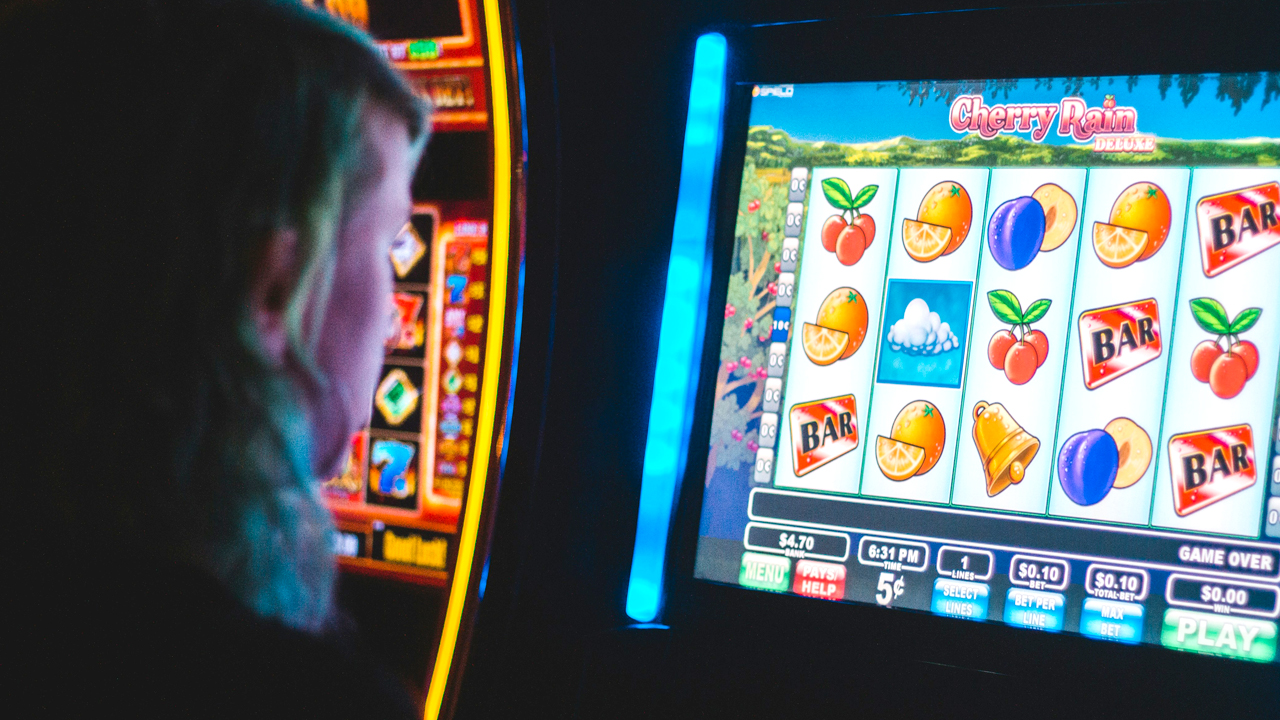
RNG feels private. Privacy can be comfortable, and comfort is part of the appeal. Comfort also makes repetition easy. When outcomes arrive fast and quietly, it becomes easier to keep going for reasons that are not really “fun.” A session can stretch because stopping requires a conscious decision, and conscious decisions cost energy.
Before the first list, one detail is worth naming: live dealer play often feels slower, but also heavier per round. RNG often feels lighter per round, but heavier per hour.
Live Dealer Moments That Change The Player Experience
- A fixed rhythm appears: the table sets the pace, not the finger
- Waiting becomes built-in: pauses interrupt impulsive chains
- Outcomes feel like events: each round lands with more weight
- Social awareness increases: the session feels less hidden
- Tech can shape mood: lag, audio, and video quality become part of play
After the list, the practical meaning becomes clear. Live dealer play can reduce volume, but it can raise intensity. A win can feel bigger. A loss can feel sharper. The emotional volume goes up even when the game stays the same.
Visibility Feels Like Trust, But Trust Is A System
Live dealer games show the process. Cards come from a shoe. The wheel spins on camera. Many players read that as fairness, because the brain likes visible mechanisms. Visibility is comforting, but visibility is not the whole story. Fairness depends on procedures, controls, and oversight. A camera is only one layer.
RNG looks like pure software, so trust becomes abstract. Trust comes from certification, audits, and consistent technical rules. Abstract trust is harder to feel, even when it is strong.
This is why arguments about “real” versus “fake” get so loud. The debate is emotional, not mathematical.
Control Is A Gift That Can Turn Into A Trap
RNG gives full control. Switching games is instant. Adjusting stakes is instant. Repeating a round is instant. Control is convenient, especially for short sessions. It also removes friction. With no friction, escalation can happen quickly: faster rounds, bigger bets, more switching, more chasing.
Live dealer tables take control away in small ways. Seats can fill. Limits belong to the table. Betting windows close. A new shoe starts. These constraints can be annoying, but constraints can act like guardrails. Guardrails are boring, and boring is sometimes the best friend of a budget.
A useful way to describe it: RNG optimizes flow. Live dealers optimize presence. Flow extends sessions. Presence changes emotions.

Pattern Hunger Shows Up In Different Clothing
Both formats can trigger pattern thinking. In live roulette, the visible wheel can make streaks feel personal, like the table has a mood. In RNG roulette, the speed can make streaks stack up fast, which makes the brain search for “signals” even harder. A streak becomes a story. A story becomes a reason to stay.
Before the second list, one warning fits both formats: the brain wants meaning, especially under pressure. Randomness offers none, so the brain manufactures meaning.
RNG Habits That Quietly Build Over Longer Sessions
- Rounds multiply quickly: variance hits faster because volume rises
- Stop cues disappear: no waiting means fewer natural reset points
- Autopilot becomes normal: comfort turns into repetition
- Streaks feel louder: fast outcomes make patterns feel “real”
- Switching becomes chasing: choice becomes a loop instead of a plan
After the list, the contrast sharpens. RNG can feel clean and efficient, but efficiency is not always helpful in a high-variance activity. Live dealers can feel slower and more grounded, but grounding can come with stronger emotional swings.
What Really Changes Is Time, Mood, And Self-Management
Live dealer versus RNG is not a question of which format is “more legitimate.” The games can be similar on paper. The difference is how the format shapes pacing, attention, and decision quality.
For a player thinking long term, the best format is the one that supports limits. When a session needs structure, live tables can provide friction and clear rounds. When a session needs simplicity, RNG can provide control, but only if control stays intentional. The format does not decide outcomes. The format decides how easy it is to keep going when stopping would have been the smarter move.