




![21st Mar: Downhill (2020), 1hr 26m [R] (5.45/10)](https://occ-0-1381-999.1.nflxso.net/dnm/api/v6/Qs00mKCpRvrkl3HZAN5KwEL1kpE/AAAABbofjcsPEHOyUPFzDysD7r76JmX2K8TliiJs9-wd1mgd2wxeWqcMAWbrNksmYBtDM1mjzL16iEyE3yY2PMooAPtJQbDn7YuQfnntHaKMjJncX6Gw1idZ1NngmUx1f247TAfKlrS4Qf3Jelk3JKntwcn-floiwwuTkE1sRyuzQ05jvg.jpg?r=2a7 "21st Mar: Downhill (2020), 1hr 26m [R] (5.45/10)")





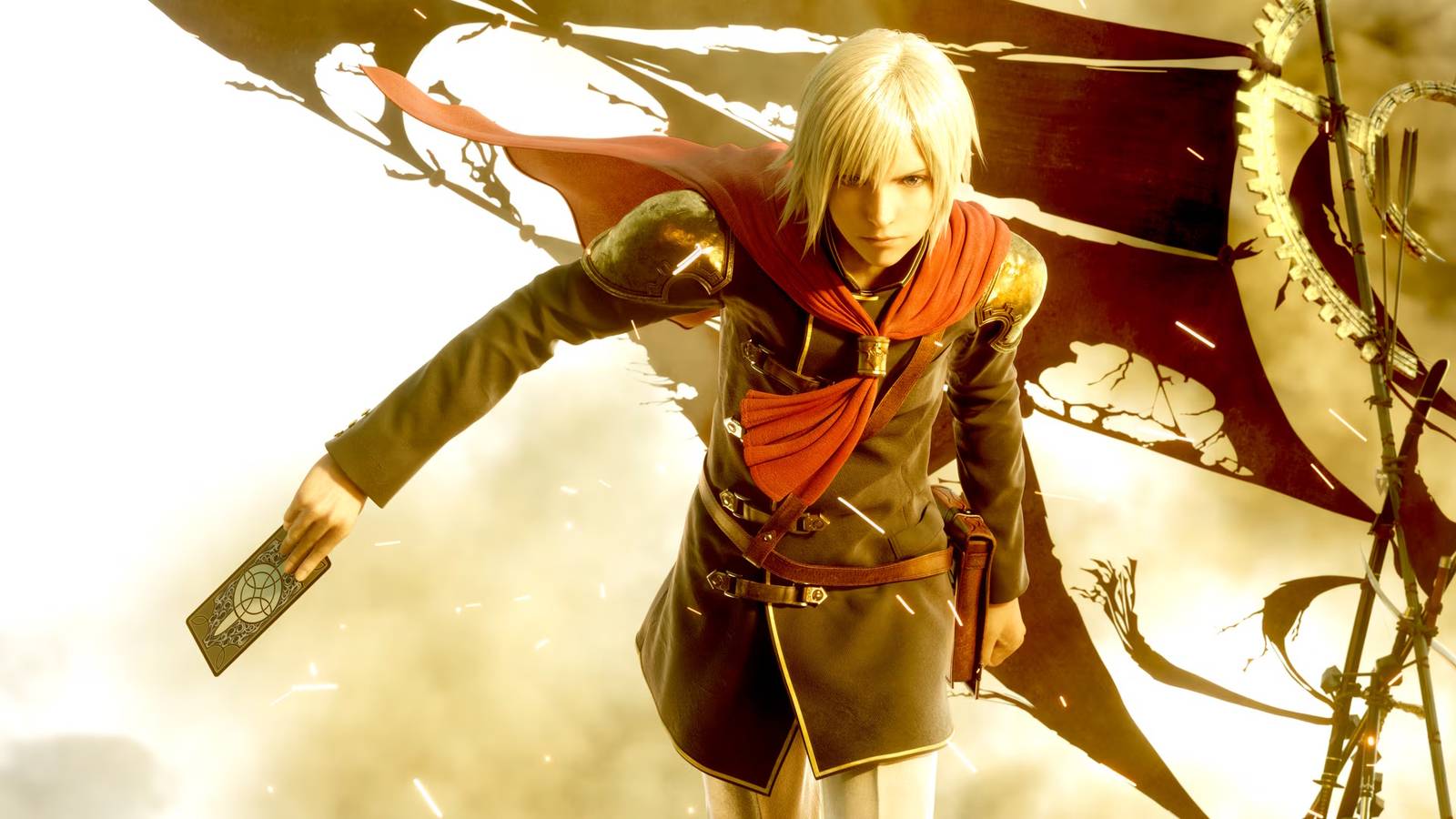
Long before Final Fantasy 16 launched to middling reviews, there’s been ongoing talk about the future of Final Fantasy, from Square Enix and long-time followers of the series alike. And every time I see it, I wonder why that future seems so uncertain when Square Enix already came close to getting it right back in 2011. Final Fantasy Type-0, a spinoff set in the world of Final Fantasy 13, struck an almost perfect balance of following trends and innovating without losing sight of itself. It was an ideal pattern for the future, yet Square Enix never used it again.
Square Enix reinvents what Final Fantasy is with every new game, but there was a shift after Final Fantasy 13 (and Type-0). The series went from incorporating something popular, like sci-fi in Final Fantasy 8 or medieval tropes in earlier Final Fantasies, to making a trend its central focus. Final Fantasy 15 and Final Fantasy 7 Rebirth aren’t Final Fantasies with open worlds. They’re open-world games with bits and pieces of Final Fantasy wrapped around them. Final Fantasy 16 isn’t a dark fantasy RPG. It’s a game trying to be prestige TV like Game of Thrones in interactive media form. In recent installments, Square Enix has overrelied on these elements to be the main part of the games’ identities, which is a futile hope. When that identity is shared with so much else already, it needs more than just a set change and some Final Fantasy flavoring to feel special.
Final Fantasy Type-0 is a Final Fantasy with a school game built into it. This was Square Enix hopping on the Persona bandwagon, following the unexpected international successes of Persona 3 and Persona 4. You’ve got a calendar system and classmate bonds between the main members of Class 0 (that’s all the playable characters), and everyone’s concerns are split between horrible things happening in the world and humdrum everyday life, like homework and exams. However, that’s just part of it, and the school setting isn’t the selling point. What Square Enix does with it is what matters.
As students of a military academy, Type-0‘s cast get sent out across the land to do the government’s bidding. Initially, they fight in standard sorties, but as they prove more valuable to the government and become more embedded in its less savory — and sane — plans, they end up faced with much more serious choices. Class 0 has a definite leader, but the game is less preoccupied with its hero than most RPGs and spreads its character development around pretty equally.
Everyone in the class represents a different social and political background and has a unique take on what’s happening around them.Type-0‘s themes develop through this melding of viewpoints, instead of just Things That Happen to the Hero. It’s a welcome change from previous Final Fantasies, which have definite hierarchies in terms of character significance that aren’t quite as distinct in Type-0. You see Square Enix try it again in Final Fantasy 15 on a smaller scale, but the story — even the bits that were properly finished — gets lost in the open world. And Final Fantasy 16 is too Clive-centric for anyone else to have room to breathe.

Square Enix even managed to put a nifty twist on Type-0‘s combat. Each class member specializes in a specific kind of weapon and magic, which makes who you send into combat far more consequential here that with the Espers/Materia/Adventure Points of earlier games.
As a further little bit of strategic complexity, spell upgrades move beyond the usual “add more letters, get more power” setup (though that’s there, too). Take basic fire spells, for an example. You’ve got RF, which launches flaming bullets at enemies, and then SHG, which launches flaming bullets that explode. It sounds silly, but it’s an important difference between higher-powered single-target damage and crowd control. Final Fantasy Type-0‘s combat is occasionally too punishing, but the depth and creative iteration on what works is something Square Enix is still trying, with varying degrees of success, to figure out. Only now, the guiding principle is “what’s popular” and not “how does this make a better game?”
Final Fantasy Type-0 was unafraid to be itself. Some of the experiments didn’t work, like the real-time strategy components, which were awful. However, it’s got the confidence that modern Final Fantasy games so desperately need, and the determination to chart a unique path — regardless of what’s popular.

