



![22nd May: Ladies First (2026), 1hr 33m [R] (6/10)](https://occ-0-953-999.1.nflxso.net/dnm/api/v6/0Qzqdxw-HG1AiOKLWWPsFOUDA2E/AAAABX45gIljAy-xiinhSd-5cUAxofSVbD1smm-iRod0wFKLtn4VTAHNMCe4R3PHfEq_nGvsXv_txK5s0sF6X8akbrZhBwGLgTXqjugOKTq5sQtm2H-5V8so-c3YXPYrGJnH7SXVP-poT7JnByjDEfBF7XOPm51Iy4G-Vg7AJw3o0629Yg.jpg?r=992 "22nd May: Ladies First (2026), 1hr 33m [R] (6/10)")



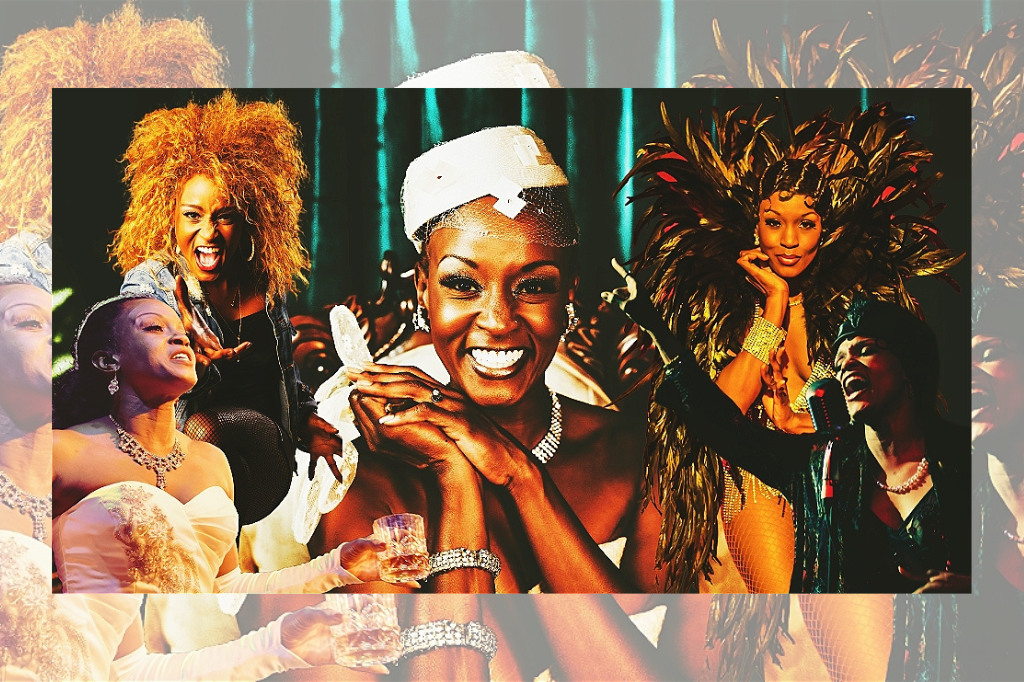
There is something cosmically fulfilling in seeing icons given their flowers through storytelling and performance. A Cabaret of Legends handles the delicate task of embodying historical figures, gracefully elevating biographical theatre in a romantic, revisionist tribute show honouring the Black women who shaped American music.
A Cabaret of Legends is an evening of music and history featuring renditions of Nina Simone, Aretha Franklin, and Patti LaBelle to name a few. Produced by Dynamite Lunchbox Entertainment, it’s a collaboration between vocalist and performer Tymisha Harris and co-creator Michael Marinaccio; the show played at the Fredericton Playhouse in mid-March, as part of its Spotlight series.
As the show opens, Harris reads out the definition of a legend, projected across the stage. She mentions the enduring legacies of men like Frank Sinatra and Dean Martin and then, with a tongue-in-cheek hair toss over the shoulder, declares that they can get their own show.
With minimal set dressing and no other onstage players, Harris gets to be blissful, ambitious, heartbroken, and disillusioned without interruption. She’s lit by an at times distracting slideshow of Americana landscapes and archival footage, with some of the imagery feeling unnecessary and struggling to keep up with her dynamism. The slides work best as a complementary backdrop to Harris’ stage presence or an opportunity for her to stand alongside the legends she’s embodying. Later in the show, Harris speaks to Diana Ross having to “reinvent herself and still be beautiful in the end” — an idea that rings doubly true as Harris herself transitions between timelines and jumps into characters through costume changes, vocal stylings, wigs, and headpieces. Harris is the show’s luminous beating heart.
A Cabaret of Legends includes a callback to Harris’ biographical solo show Josephine: A Burlesque Cabaret Dream Play, which played in February 2025 at the Fredericton Playhouse. I am a fan of Josephine; it and A Cabaret of Legends feel like spiritual companions. In the latter show, Harris reflects on how incredibly humbling it has been to portray Josephine Baker for over a decade, and the learned empathy that comes with portraying a legend. Hearing how Baker’s past has directly impacted Harris’ present adds a vulnerability that truly uplifts the show.
In A Cabaret of Legends, Harris pauses between vignettes to correct misconceptions and address the erasure of Black women from American history. She recounts Billie Holiday’s experiences with the FBI as they attempted to silence her efforts to advocate against racial injustice. There are stories of resistance, such as one where a young Nina Simone refuses to play piano during an audition in a racially segregated America unless her family can be in the same room. Harris asks her audience to leave the theatre questioning the history we’ve been told, and to disrupt erasure by seeking truth — a practice that feels particularly relevant during our present moment of doubt and misinformation.
Harris makes connections between herself and the voices she carries. She shares personal anecdotes of her grandmother passing these songs down to her, as well as stories of belonging and Black excellence. Harris and Marinaccio make space for reflection on what these women sacrificed to carry their voice, legacy, and culture across history. There is no rush to get to another song or another milestone. Instead she explores an unsteady past, delving into some of the uglier pockets of American history and asking us to consider how far society has come.
A Cabaret of Legends arrived after Black History Month celebrations, with 2026 marking its 100th anniversary in the United States and 30th in Canada. The impact of a Black artist onstage at the Fredericton Playhouse — one intent on preserving Black legacy — felt reassuring in a time of cultural division and political unrest in North America. Harris teaches history with a compassion that prioritizes cultural healing and fosters empathy; she teaches with a love that transcends distance. I hope her work continues to find an ever-wider Black Canadian audience.
Biographical dramas can raise a lot of questions with no easy answers: Where do you start with adapting a life? How do you toe the line between love letters and character study? How do you satisfy fans while still introducing history to a general audience or new generation? By speaking to personal histories and dreams, Harris and Marinaccio offer a welcome response. A Cabaret of Legends is a song for everyone in the game of life, that uplifts the voices that shaped American music for other times and other places.
A Cabaret of Legends continues to tour Canada. More information is available here.
Anthony Bryan wrote this review as part of Page Turn, a professional development network for emerging arts writers, funded by the Canada Council for the Arts and administered by Neworld Theatre.
Intermission reviews are independent and unrelated to Intermission’s partnered content. Learn more about Intermission’s partnership model here.

WRITTEN BY
Anthony Bryan
Louis Anthony Bryan (he/him) is a theatre artist and educator from Trinidad and Tobago. A graduate of St Thomas University’s bachelor of arts in 2017 and bachelor of education program in 2018, Anthony is based in Fredericton, working primarily as a writer, dramaturge, and stand-up comedian. He has been affiliated with several theatre and film companies in his local art scene, including the Union of Black Artists Society, Notable Acts, Rebel Femme Productions, and Strike Pictures.
LEARN MORE