



![10th Jul: Captain Underpants: The First Epic Movie (2017), 1hr 28m [PG] – Streaming Again (6.1/10)](https://occ-0-2433-2430.1.nflxso.net/dnm/api/v6/0Qzqdxw-HG1AiOKLWWPsFOUDA2E/AAAABb68rDyaBJEL7RbqGf3Gc_l-46FtW47ONdU4U6Kkq9QtmxEzSZnQzzhje8n573JHIf54DVCrBOOkMiC8CYDReVH6RoOShiTRf_YE.jpg?r=77f "10th Jul: Captain Underpants: The First Epic Movie (2017), 1hr 28m [PG] – Streaming Again (6.1/10)")




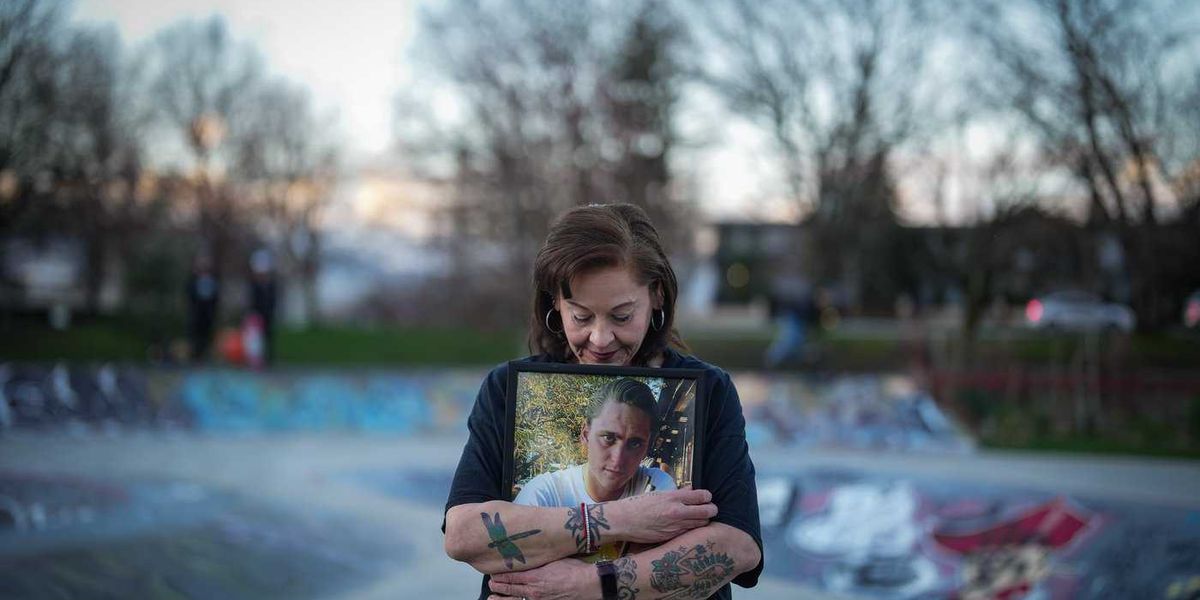
Events are planned across British Columbia today to mark 10 years since the province declared a public health emergency related to the overdose crisis that has since killed more than 18,000 people.
A “moment of silence and minute of rage” is scheduled for this afternoon at the B.C. Legislature in Victoria as part of a rally being organized by advocacy groups including Moms Stop the Harm, Doctors for Safer Drug Policy and the Nanaimo Area Network of Drug Users.
Similar memorial events are planned in Prince George, Cranbrook and Powell River along with an online webinar on Indigenous approaches to harm reduction and an art show in Victoria.
On April 14, 2016, the emergency declaration was issued after the province had reported 474 apparent illicit drug deaths in 2015, a number that would climb to more than 2,000 deaths annually as the crisis intensified.
The anniversary comes amid grief for the people who have died and calls for the government to do more.
An online post from the Vancouver-based Canadian Drug Policy Coalition says over the past 10 years the urgency of the declaration seems to have “ebbed away,” alongside the government’s willingness to use the powers that it grants.
“It feels impossible to separate the personal from the political, the specific grief of individual losses from the collective, cumulative exhaustion of so much loss,” the post says.
“This is compounded by witnessing the ongoing crush of a system that actively harms people, and the ways decisionmakers continue to prop it up.”
Once seen as being on the cutting edge of drug policy, B.C. government has ended a drug decriminalization pilot program and rolled back key parts of its safer supply policy
Premier David Eby has said decriminalization “didn’t work,” but Provincial health officer Dr. Bonnie Henry said Monday that she “absolutely” believed “there was political pressure” to stop the three-year trial, which removed criminal penalties for those caught with small amounts of certain illicit drugs for personal use.
Health Minister Josie Osborne announced in January that B.C. would not apply for an extension to decriminalization because it had not delivered the results that government hoped for.
On Monday Osborne acknowledged the government has more to do but promised not to “take our foot off the gas” on policies including harm-reduction services, and expanding the treatment and recovery system.
The coalition, which works with more than 100 organizations across Canada, is calling on all provinces and territories to act with urgency to address the ongoing crisis.
“On this anniversary, we send our love, sorrow and rage to everyone who is mourning, who is angry, who is weary, who is trying. We remember and honour the people we have lost,” the statement says.
“We acknowledge the thousands of people living with grief who continue to work toward a better future, all while some who hold power manipulate the issue for political gain, cut funding and restrict evidence-based services, and politicize and criticize life-saving work.”
There were 1,833 overdose deaths in B.C. last year, 21 per cent down from 2024 — but almost four times the toll in 2014.
— With files from Wolfgang Depner in Victoria
This report by The Canadian Press was first published April 14, 2026
By Ashley Joannou | Copyright 2026, The Canadian Press. All rights reserved.
