

![17th Apr: Primal Fear (1996), 2hr 11m [R] – Streaming Again (6.85/10)](https://occ-0-7328-92.1.nflxso.net/dnm/api/v6/0Qzqdxw-HG1AiOKLWWPsFOUDA2E/AAAABTOPiQ49LnVuD8HXEVr3AK3Sa77KkvXpSJ0xvMna_pEjAIuHkHvdF9XNvL-f5Lwcebeksaws_gYAFPPl2ZaU-UA6eC26_Kp0vf_OpP_w-A.jpg?r=d27 "17th Apr: Primal Fear (1996), 2hr 11m [R] – Streaming Again (6.85/10)")








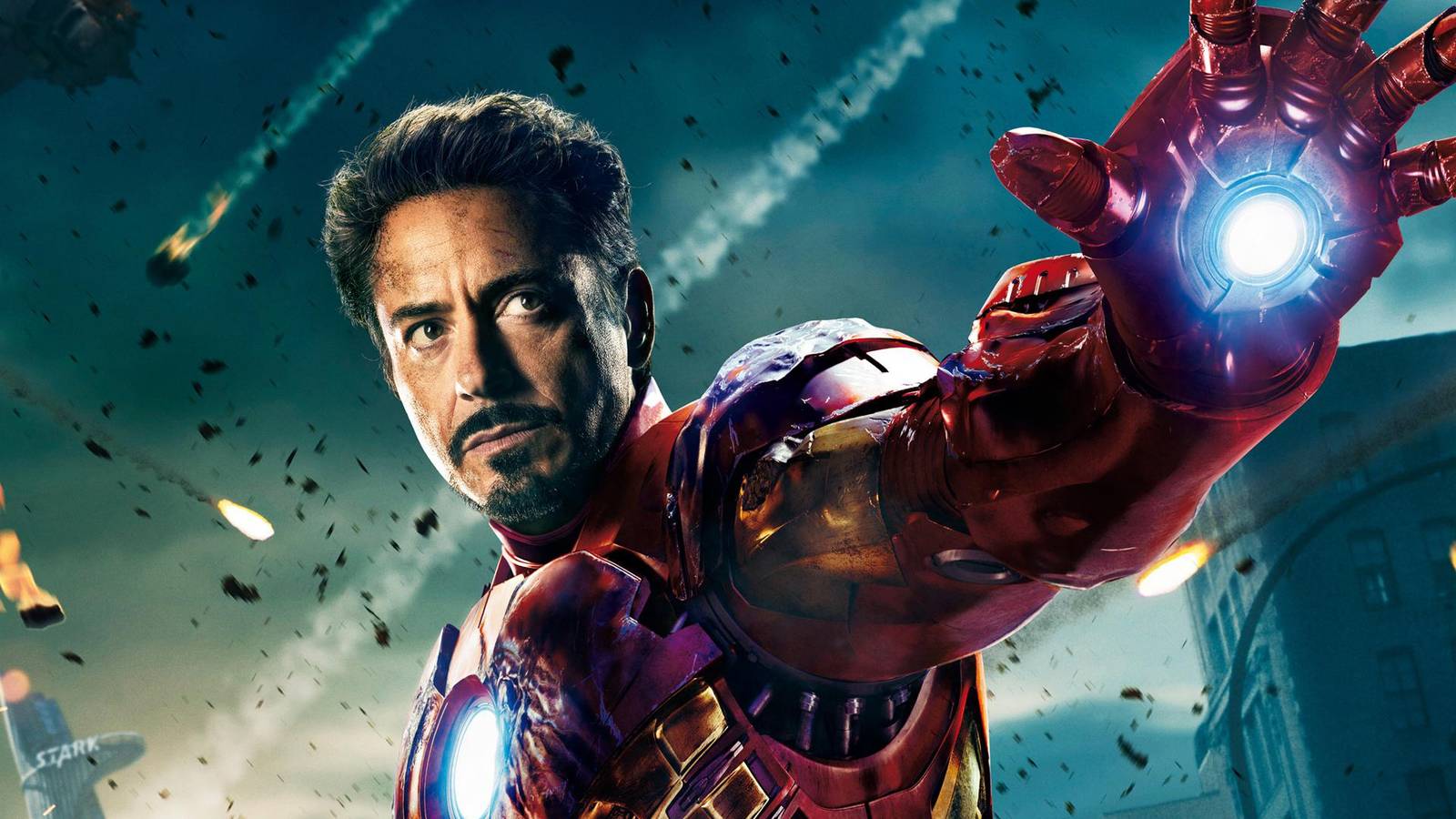
This week, The Walt Disney Company initiated company-wide layoffs that affected departments across the entire organization, targeting everything from the home video team to ESPN. One division was hit hard according to reports: Marvel Studios, which lost nearly its entire visual development team. Over the last two decades, these artists shaped the look of the Marvel Cinematic Universe, from costume design to the films’ biggest moments, and won many awards along the way.
One particularly poignant post came from artist Wesley Burt, who lamented “the irony of having a one-on-one HR layoff meeting in the conference room with my Loki mural on it.”
The visual development team consisted of about 13 to 15 people, artist Michael Uwandi, a former member of that team, tells Polygon. Uwandi left Marvel Studios after working on projects such as recent as Moon Knight and Captain America: Brave New World.
“A lot of times, when these movies come across our plate, we are assigned certain characters,” Uwandi says, “but usually we don’t even have a script in the beginning, so it’s truly allowing us to create visuals that will inspire the movie, designing things like the characters, their costumes, [and] keyframes, which are essentially a still shot of a scene in the movie that’s usually either action-oriented or story-oriented.”
In other words, the visual development team doesn’t just design costumes, it shapes the story along with a film or TV show’s specific directors and screenwriters.
The Marvel vis dev team has been there for 20 years, and to just dissolve it like that — it’s really unfortunate for these people who showed loyalty to the company.
Another former team member, who spoke with Polygon on the condition of anonymity, but worked on films such as Deadpool & Wolverine and The Fantastic Four: First Steps, says the collaboration between the staffed visual development team and the rotating teams for the various films and TV shows wasn’t always smooth.
“This [visual development team] was something that Kevin [Feige] really wanted because, being a comic book fan, [he had] a particular vision of how things should be translated,” the source says. “This team was very specific, and we were often told that other departments don’t like having this team on — not like a rivalry, but some sort of politics [were] going on in between these different departments.”
So why scale down on visual development? Sources tell Polygon that Marvel greatly expanded the visual development team during the push for more Disney Plus episodic content, and that the layoffs are a contraction based on the direction of the studio. Still, our one artist source can’t help but wonder if they were more easily expendable due to internal relationships.
“I do know that a lot of these different departments, specifically costume design, didn’t like having us around.”
Despite any alleged infighting, Marvel managed to bring a cohesive “house style” to its films that tied them together across dozens of filmmakers and even different genres. Both former team members who spoke to Polygon say the MCU’s cross-film cohesiveness is a direct result of having an in-house visual development team.
According to Uwandi, the visual development team was often the link from the comic books to the big screen interpretations of Marvel’s characters.
“A lot of them are huge fans [of Marvel comics],” he says. “Their understanding of the source material is on a whole ‘nother level. When you have that kind of understanding, it really allows you to play when it comes to designs because you’re not having to study while doing [it]. Now, of course, we still do, but when you understand something to that level, you know exactly what the fans want to see. You know exactly how to push and pull while keeping it fan-friendly.”
In contrast, Uwandi says that those from the film industry side of things tend to “try and run away from” the look of the comic books.

With such an integral part Marvel’s success snapped away, what might that mean for the future of the MCU? Uwandi says, with a team like that, the advantage of having them in-house and together is a “familiarity and comfortability” which leads to expediency and momentum in development. Whereas, when artists are going from project to project, with different studios and different design sensibilities, it takes longer for projects to ramp up. While these layoffs were done to save money, Uwandi says the move is “shortsighted.”
The cuts may also affect the quality of the films, as Uwandi says the camaraderie of that team made the work better.
“Working in-house, you get inspired and motivated by your fellow coworkers. I would get inspired and I’d be like, ‘Oh man, I got to step it up,’” says Uwandi. “Not being in-house, it’s a lot less personal.”
Uwandi also feels that losing the team could bring a lack of consistency to the MCU going forward because, while each movie had its own team, the visual development team was the throughline for all those projects. By nixing it, the result may very well be a lack of consistency between the films.

Of course, the elephant in the room is the potential use of generative AI and whether or not at least some of these jobs will be replaced by it. Uwandi says, “I’m not sure, but I wouldn’t be surprised, unfortunately.”
Polygon’s other source, who worked at Marvel more recently, claims that outside collaborators who joined MCU projects with a specific director (as opposed to the in-house visual development team) sometimes used AI in their work.
“I definitely feel that that’s a part of it,” they say. “A lot of things are being driven towards AI. There were other teams that were already using AI. I don’t know if Marvel ever declared that or not, but a lot of them were using it. Not the visual development team, but the other teams that would come in, like the art departments and stuff, or the costume designers. They were already using it.”
A third former member of the visual development team, who also wished to remain anonymous, insists the move has less to do with technology than the way Disney is thinking about full-time labor versus contractor work.
“I can tell you it is not because of AI because they are planning on rehiring but on a freelance basis,” they say.
Regardless, the decision to part ways with the visual development team marks the end of an era for Marvel, which relied on artists to interpret decades of comic work for mainstream consumption.
“It’s unfortunate that people are losing their jobs and careers,” says Uwandi. “The Marvel vis dev team has been there for 20 years, and to just dissolve it like that — it’s really unfortunate for these people who showed loyalty to the company. They could have gone anywhere else, but they chose to stay with Marvel.”
Polygon reached out to Marvel and Disney for clarification on the scope of the layoffs and suggestions made in this story by former employees. We will update with any additional comment or clarification.
