![14th Jul: SAS: Rise of the Black Swan (2021), 2hr 3m [R] – Streaming Again (5.65/10)](https://occ-0-1508-92.1.nflxso.net/dnm/api/v6/0Qzqdxw-HG1AiOKLWWPsFOUDA2E/AAAABdQV_YichIc1E_z1vglJkJoE1lZaVlYtQeByA6cZO4M3rPCLc-j1benqOkqTCyOOl7HePfhMu-PurYYJJK-aISGDTghjuYv9BP8g.jpg?r=8be "14th Jul: SAS: Rise of the Black Swan (2021), 2hr 3m [R] – Streaming Again (5.65/10)")

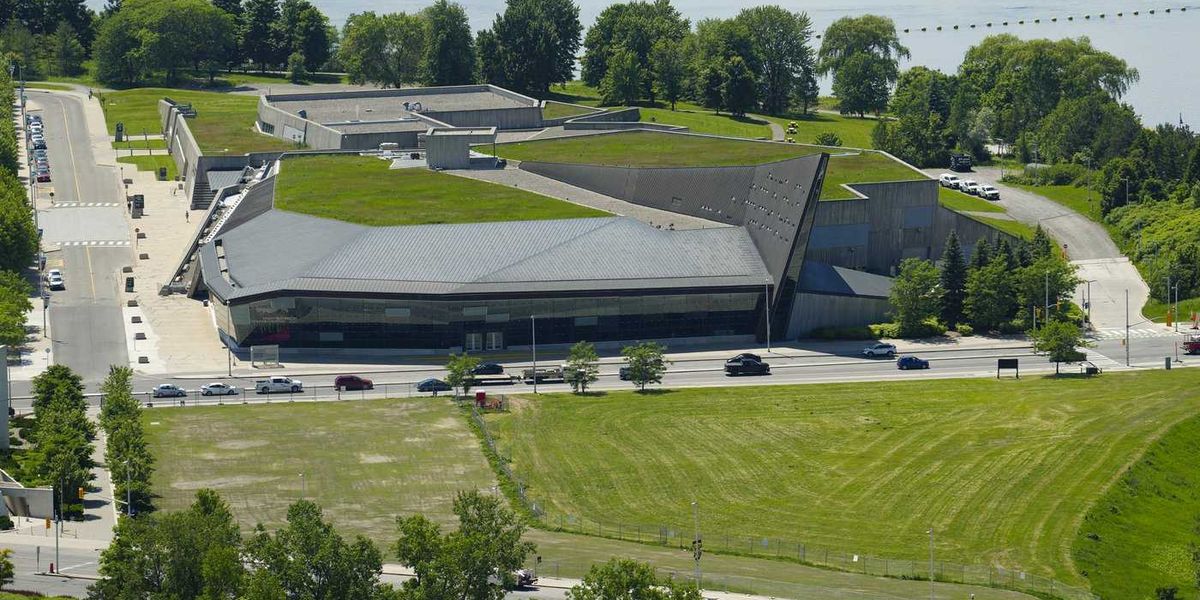

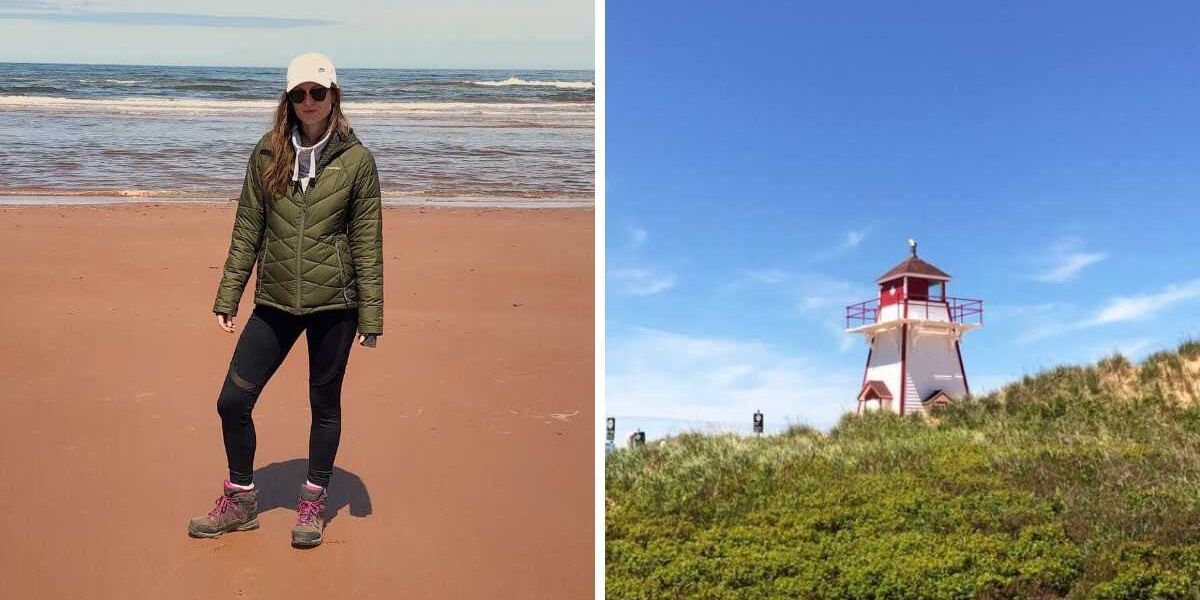



Albertans planning for May long weekend getaways are staying closer to home, data show, including places such as Métis Crossing, a campground on the North Saskatchewan River northeast of Edmonton.HO/The Canadian Press
After a long, dark Prairie winter, Abby Dowell is determined to be outdoors and touch grass — regardless of whether or not the green blades are coated in hoarfrost.
“I just feel like I really need to get out of the city,” said Dowell, from Edmonton.
“Look at some mountains, look at some scenery that’s not concrete.”
Dowell is among the campers and travellers planning to spur off at the sound of the summer season starter pistol: the echo of the last clock tick to Friday evening and the beginning of the May long weekend.
She and her boyfriend are set to tent at Fish Lake, about 215 kilometres southwest of Edmonton, in their first trip as a couple. It’s expected to be another cold Victoria Day weekend, but Dowell says she’s OK with the cold.
Dowell grew up camping with her family, but this will be their first experience dealing with weather that could dip below freezing.
“I love connecting with nature, and nothing’s going to stop me from doing that,” she said.
The choice to camp close to home is largely money-minded for Dowell.
With the cost of living rising, including the price of fuel driven by the U.S. war on Iran, it’s too expensive to pick up a new hobby or travel outside the province, she said.
Data from Statistics Canada and RVezy, a recreation vehicle rental platform, suggests the homebound spirit that has bewitched Albertans during the trade war with the U.S. has not gone away.
In April, about 35,300 Canadians returned from travelling to the U.S., crossing back into Alberta, down 2.6 per cent from the year before and down substantially from the 47,500 in 2024, according to Statistics Canada.
Most Albertans renting from RVezy have typically opted to stay in the province, said CEO Michael McNaught. Others, he said, have kept their vacation plans in Canada.
That trend has remained from the year before, when a turbulent trade relationship with the United States, Canada’s biggest trading partner, triggered a Buy Canadian movement.
It urged Canadians to keep their dollars inside the country, either by purchasing locally made foods and products or by cancelling trips to the U.S. in exchange for homegrown tourism.
Canadian rentals booked to enter the U.S. dropped to six per cent this year from 25 per cent in 2024, McNaught said.
“You’re throwing in the mix the fuel costs, cost of living; people are still vacationing, they’re vacationing closer to home,” he said.
There’s also the Canada Strong Pass, which offers free admission to national parks through the summer.
Parks Canada said its campgrounds around one of Alberta’s most popular spots, Banff National Park, are fully booked for the May long weekend.
Campgrounds to the north in Jasper National Park range from 63 per cent to 85 per cent capacity from Friday to Sunday.
Juanita Marois said she suspects that staycation sentiment, along with their own local marketing, has helped stoke interest in Métis Crossing.
The Métis cultural destination, on the edge of the North Saskatchewan River northeast of Edmonton, hosts RV stalls, tent stalls and eight trapper tents, though it’s not fully booked yet.
Marois, CEO of Métis Crossing, said it typically draws international visitors for experiential tourism and it’s pushing for more local visitors.
She says it’s not just a camping experience but a “cultural immersion” that interests travellers.
“The Métis people had a buffalo hunt, and we would go out on the land and hunt buffalo,” said Marois. Her voice becomes animated.
“It’s one thing to hear these stories. But when you’re like six feet away from this animal, imagine there are a thousand of these riding beside me, and I was going bareback down the prairie.”