








The May 18, 1980, eruption of Mount St. Helens remains the deadliest and most destructive volcanic event in U.S. history, fundamentally changing how scientists monitor volcanic activity.
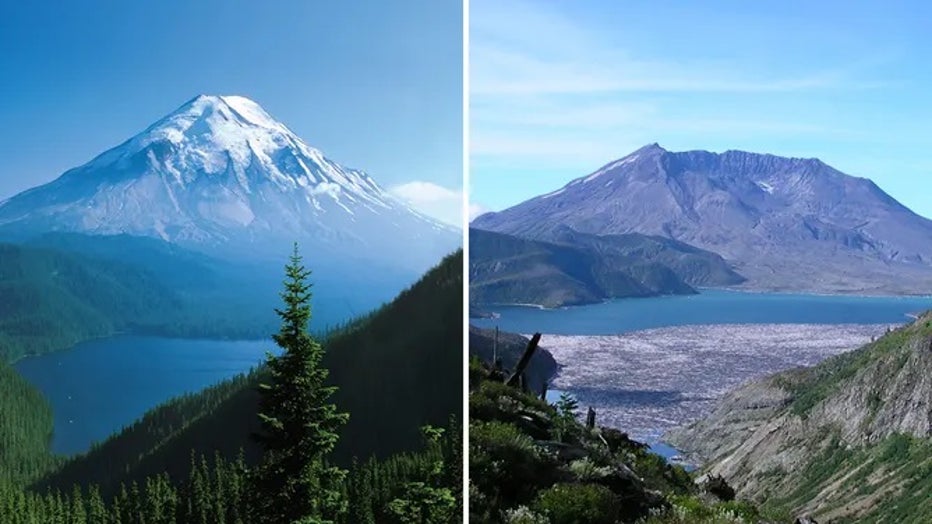
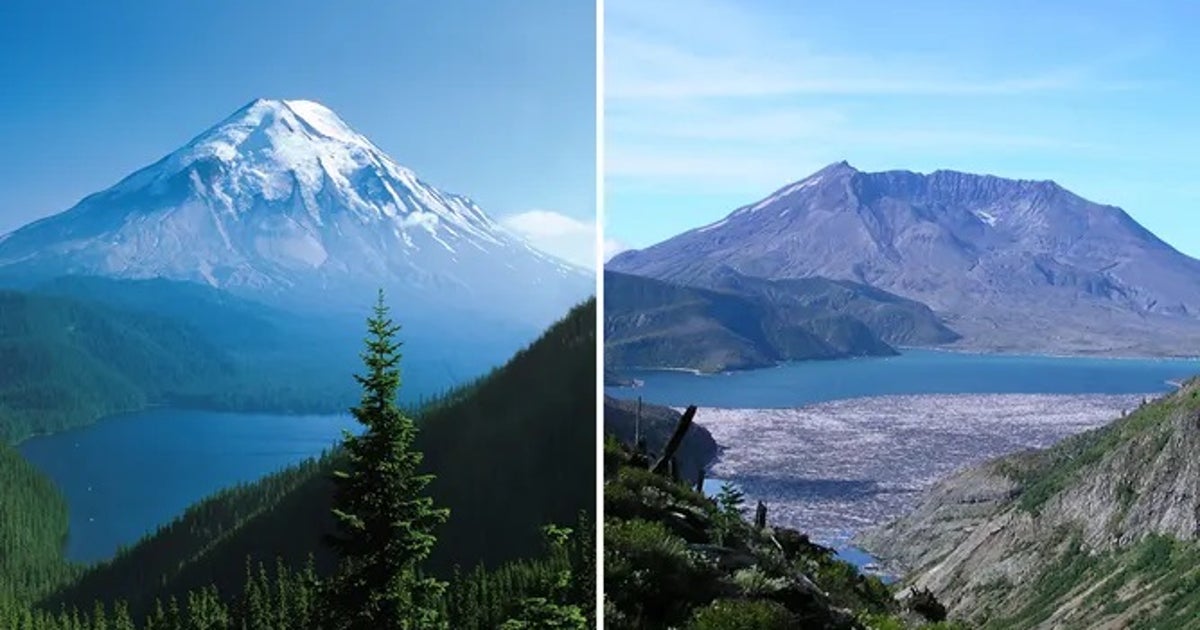
A before and after look at Mt. St. Helens. (USGS/brewbooks / FOX Weather)
Mount St. Helens eruption 46th anniversary
The eruption, which occurred at 8:32 a.m., claimed 57 lives, destroyed 200 homes and flattened 230 square miles of forest. It also triggered the largest landslide in recorded history and propelled a massive plume of ash into the atmosphere for several hours.
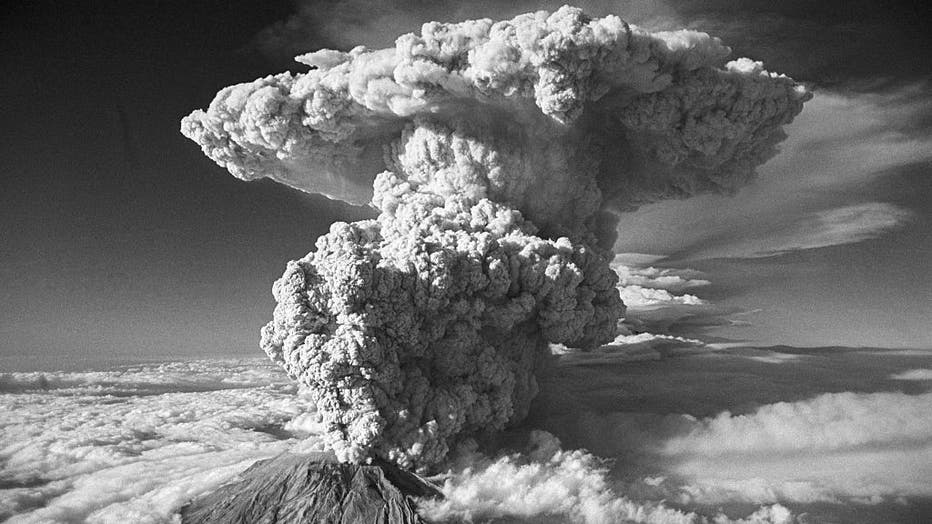
(Original Caption) 7/23/1980-Spirit Lake, WA- Looking more like a smoke cloud from an A-bomb blast than steam and ash from a volcano eruption, Mt. St. Helens sent this plume of steam and ash some 60,000 feet in the air, as the volcano awoke from a si
Devastating ash and mudflows
The eruption had widespread regional effects, largely dictated by wind patterns that carried volcanic debris across Washington state.
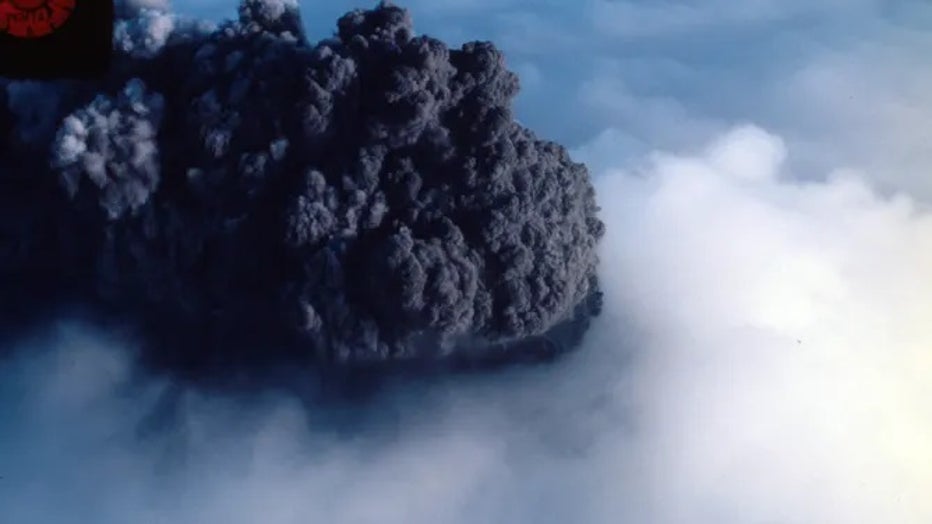
Mar 28, 1980: Ash bursts from the summit of Mt. St. Helens and rises 2 miles. (USGS)
“The big thing was the volcanic ash,” said FOX 13 Chief Meteorologist Brian MacMillan. “It surged 80,000 feet up into the atmosphere – it blocked out the sun in some spots like Yakima.”
Accumulations of ash were recorded miles away from the volcano, impacting major residential areas. Inches of ash blanketed communities such as Pullman, while Spokane was also severely affected. The eruption additionally triggered destructive lahars, which are volcanic mudflows that swept through the surrounding landscape.
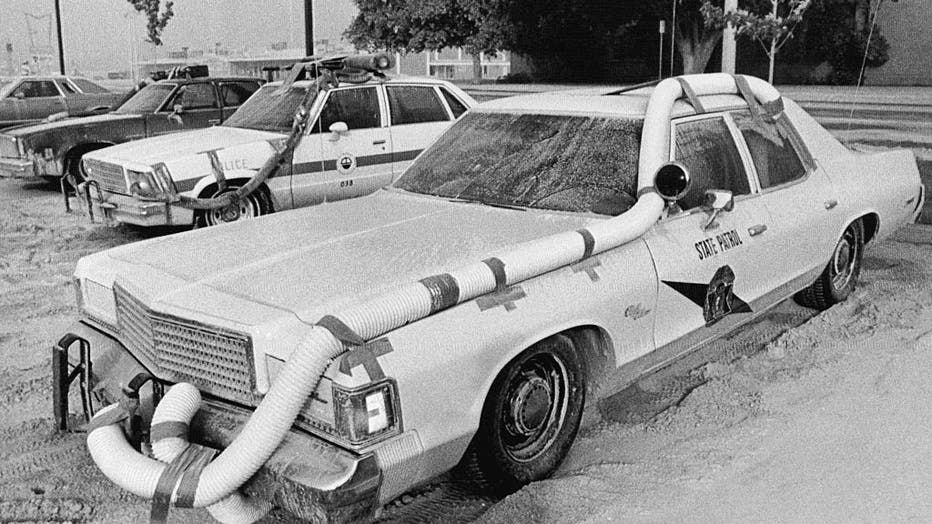
These State Police cars look like something from the moon as they are equipped with homemade air breathing devices to prevent volcanic ash from entering the engines. The vent tubes run from the engine to the interior of the auto where the air is at l
Advances in volcanic monitoring
In the 46 years since the disaster, researchers have significantly advanced their ability to track activity at Washington state’s most active volcanoes.
Today, a dense network of monitoring equipment surrounds Mount St. Helens to detect early signs of volcanic activity. This infrastructure includes 18 seismometers positioned within a seven-mile radius of the mountain.
The increased monitoring capability allows scientists to track subtle underground shifts, with the equipment currently detecting an average of 17 earthquakes per month at the volcano.
The Source: Information in this story comes from original reporting by FOX 13 Seattle.
MORE NEWS FROM FOX 13 SEATTLE
3 shot outside nightclub in Seattle’s Capitol Hill neighborhood
Auburn police officer arrested for immoral communications with minor
Two Navy jets crash during Idaho air show; All 4 crew members survive
Employees terrified after they say a man hid in Seattle store overnight
Who was Juniper Blessing? Tributes pour in for University of Washington student killed
4th King County resident being monitored for Andes hantavirus
Trump says China agreed to buy 200 Boeing planes
To get the best local news, weather and sports in Seattle for free, sign up for the daily FOX Seattle Newsletter.
Download the free FOX LOCAL app for mobile in the Apple App Store or Google Play Store for live Seattle news, top stories, weather updates and more local and national news.
![14th Jul: Quarterback (2026), 3 Seasons [TV-MA] – New Episodes (7/10)](https://occ-0-1381-999.1.nflxso.net/dnm/api/v6/0Qzqdxw-HG1AiOKLWWPsFOUDA2E/AAAABUdMQvYlQS5Df1Cb6ZHamL1ROUqPYIVsp0MDHEVP65r9tCPi1qavj_3S7qoedadKRWlU1_22NBhQWqbJpc1GZMffsgzBA0JOCz2rPl0NTpHO__ucnQoGDzlPo4yahNAsnYP3H25cvWqe0o4eIsXN85GMaY-4WKDP0msWVm11.jpg?r=da3 "14th Jul: Quarterback (2026), 3 Seasons [TV-MA] – New Episodes (7/10)")