










When GameStop announced that it would begin selling $5,000 presorted packs of Pokémon cards, skeptics understandably wondered who in their right mind would buy them. Surely no one would throw away money to the Funko Pop retailer just to get a 0.4% chance to score a rare Pokémon card, right? It turns out, not only are GameStop customers willing to gamble thousands of dollars for Pokémon cards, but people are also reportedly hitting the jackpot.
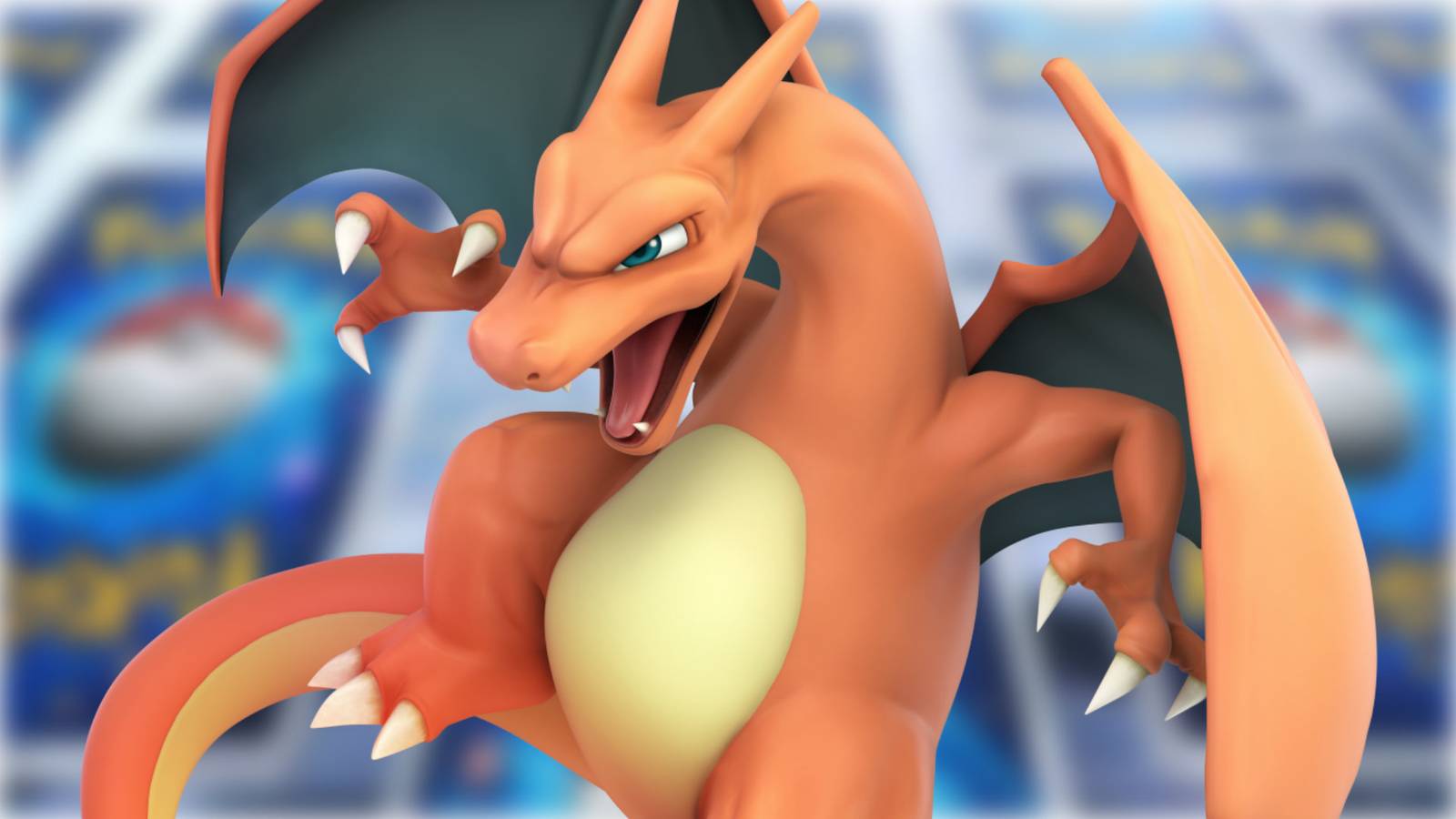
A recap, for those who haven’t been following the surrounding circus of all this: GameStop sells various tiers of both physical and digital Pokémon cards. The more you pay, the higher the odds that the pack will contain an item of high value. GameStop advertises a number of “chase” cards in the pool that people might want, like a $52,000 2003 Umbreon or a $61,232 2006 Mewtwo. The most valuable card in the pack is a first-edition 1999 Charizard card worth just over $68,000.
With only a 0.4% chance of snagging any of these cards, it seemed plausible that we’d have to wait a while for anyone to rip something good out of a Power Pack — never mind the Charizard card specifically. But according to tracking website Live TCG Pulls, the pricey Charizard card has reportedly been pulled three separate times. And each time, the winner evidently decided to sell the card back to GameStop for a percentage of the overall value.
Live TCG Pulls cautions that the website may not be 100% accurate, as the data is inferred from pool availability of the cards. GameStop did not immediately respond to a request for comment. We know that the Charizard card briefly disappeared from the overall list of rare cards advertised by GameStop, which supports the idea that at least one person got the card within the last week. A hardcore Power Packs account says that, while manually tracking the card, they witnessed the Charizard leave the pool “multiple times.” Since the Charizard is still on the list as of this writing, it appears that this mysterious winner took GameStop up on its buyback offer.
None of GameStop’s social media accounts have mentioned anything about a Charizard pull as of this writing. On websites such as X, associated accounts have re-shared posts from users who claim to have pulled other rare cards, like the $40,000 2005 Rayquaza card. Another Power Packs aficionado says they have pulled $50,000 worth of cards within the last week. Unlike apparently most GameStop customers, said fan is not interested in selling those cards back to GameStop.
But if the Charizard statistics are accurate, the reports only further underlines the insidious genius of GameStop’s Pokémon bet. Even if someone gets lucky with an expensive card, most people will walk away with significantly less impressive cards. The people who get those “grail” cards seem more than willing to give them right back, meaning that the retailer can technically sell any given card multiple times. The Charizard might have been pulled a handful of times in as many days, but what we don’t know is how many pack rips it took to get there.
“I’ve opened 149 packs and haven’t yet had a chase,” one Redditor writes on the Power Packs subforum.


On May 9, GameStop paid a YouTube streamer to host a contest for Power Packs where users opened the digital caches together. Over several hours and after 60 Power Packs had been opened, the vast majority of the pulls were individually worth well under $100. The big exception was a $5,000 Neutronium pack opened near the end of the stream, which resulted in a $7,000 Rayquaza card. Although the card was awarded to a viewer for having the most valuable pulls during the contest, the pack that produced it was opened by the sponsored YouTuber, Roaring Sensei.
“The floor feels safer overall,” one Power Packs user who spent $5,000 in a single night wrote on X.
“You’re less likely to get completely crushed with low-value hits,” they continued. “Did I hit a home run this time? No. But I had a shot at it, and that’s part of the thrill.”


The 10 Pokémon cards most likely to be fake (and how to tell)
Fan favorites like Pikachu, Charizard, and Gengar are popular counterfeit targets
