
![22nd May: Mating Season (2026), 10 Episodes [TV-MA] (6/10)](https://occ-0-8162-92.1.nflxso.net/dnm/api/v6/0Qzqdxw-HG1AiOKLWWPsFOUDA2E/AAAABUbYi7Jo5vbF4aoAv91Lwuw_qw9Z3I0pjB9hlR70B9M10G213NEeFxz5d4HV6iKlg1jK4vxQ9gtTa_Pd7juGT3AAu2PIQzBvQZOenPUW4i5-GxceAj4N7d82c82moDe7JUQdtY3cojS6tk9J1VpGYAvFe0945IdvvaMZakCVbIWPIQ.jpg?r=28b "22nd May: Mating Season (2026), 10 Episodes [TV-MA] (6/10)")





In Brief: Hotel performance across the Middle East has dropped to levels not seen since the COVID-19 pandemic, as the Iran conflict disrupts air travel, weakens demand, and creates volatility across key hospitality markets.
-
Iran Conflict Pushes Middle East Hotel Performance to Pandemic-Era Lows – Image Credit HNR News
Published March 31, 2026 | By HNR News Staff Reporter
Performance Falls to Pandemic-Era Levels
Hotel markets across the Middle East have experienced a sharp decline in performance following the escalation of conflict involving Iran, with data from CoStar indicating occupancy levels in some markets have fallen to their lowest point since the early stages of the COVID-19 pandemic.
In Dubai, occupancy dropped to approximately 22.8%, while Abu Dhabi recorded levels near 39.5%, reflecting a significant contraction in demand. Other markets, including Bahrain, have reported year-over-year declines of up to 70%, underscoring the scale of disruption across the region.
Three-Phase Demand Shift Emerges
The current downturn follows a distinct pattern. Initial softness in demand, linked to seasonal factors such as Ramadan, was followed by a brief spike in occupancy driven by evacuations and stranded travelers. However, this was quickly replaced by a sharp decline as airspace closures and travel disruptions took hold.
This shift highlights the extent to which regional hotel performance is tied to international air connectivity, particularly in gateway markets such as Dubai.
Air Travel Disruptions Drive Demand Decline
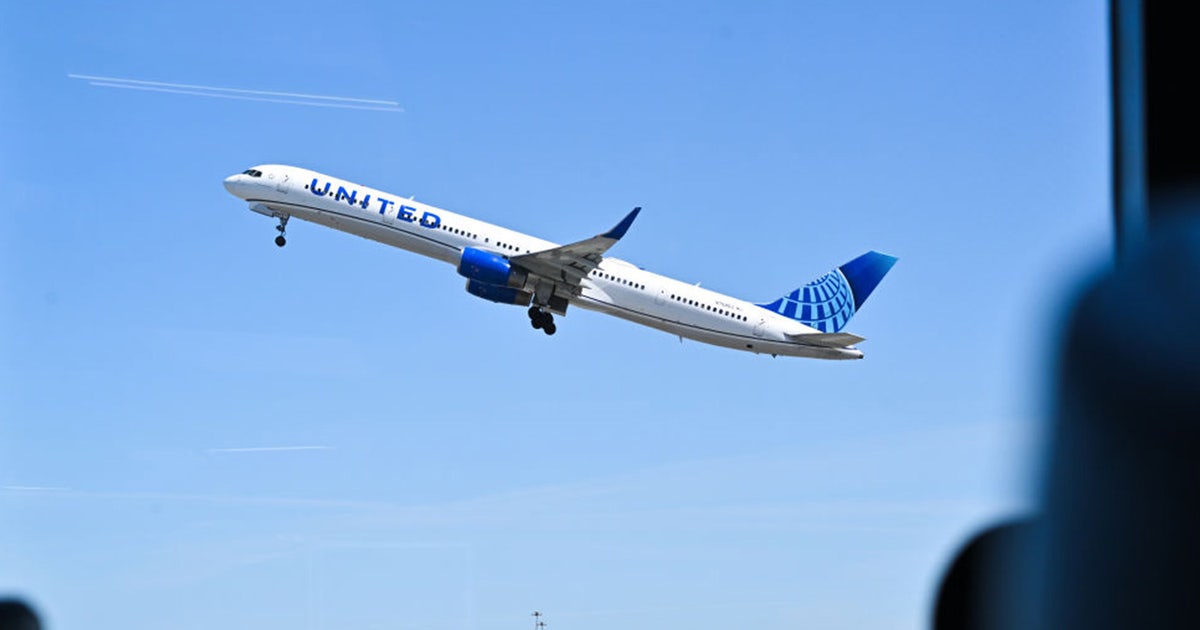
The primary driver of the downturn has been disruption to air travel rather than a gradual decline in traveler sentiment. Flight cancellations, rerouted traffic, and restricted airspace have limited international travelers’ ability to reach key destinations across the Middle East.
The region plays a significant role in global aviation networks, accounting for a substantial share of international transit traffic. As a result, disruptions have had an outsized impact on hotel demand, particularly in markets heavily reliant on international arrivals.
Market Differences Reflect Demand Mix
The impact has varied across markets depending on their reliance on international versus domestic demand. The United Arab Emirates, particularly Dubai, has seen sharper declines due to its dependence on global travel flows.
In contrast, Saudi Arabia has demonstrated greater resilience, supported by domestic travel and religious tourism, which continue to provide a more stable demand base.
Broader Tourism Impact Expected
Beyond hotel performance, the conflict is expected to have wider implications for regional tourism. Industry estimates suggest the Middle East could face tens of millions of fewer visitors in 2026, with potential losses in tourism spending reaching tens of billions of dollars.
These projections reflect both immediate disruptions and longer-term shifts in traveler confidence and routing patterns.
Implications for Hotel Operators
For hotel operators, the current environment presents a combination of operational and financial challenges. Rapid fluctuations in demand are creating volatility in occupancy and pricing, complicating revenue management strategies.
Properties that experienced short-term gains from displaced travelers are now facing reduced forward bookings and increased uncertainty, particularly in markets dependent on international demand.
Outlook
The trajectory of hotel performance in the Middle East will depend largely on the duration and scope of the conflict, as well as the restoration of air connectivity.
While demand may recover quickly once travel restrictions ease, the current downturn underscores the vulnerability of globally connected hotel markets to geopolitical disruption.
For operators and investors, the situation highlights the importance of demand diversification, operational flexibility, and scenario planning in an increasingly volatile travel environment.