



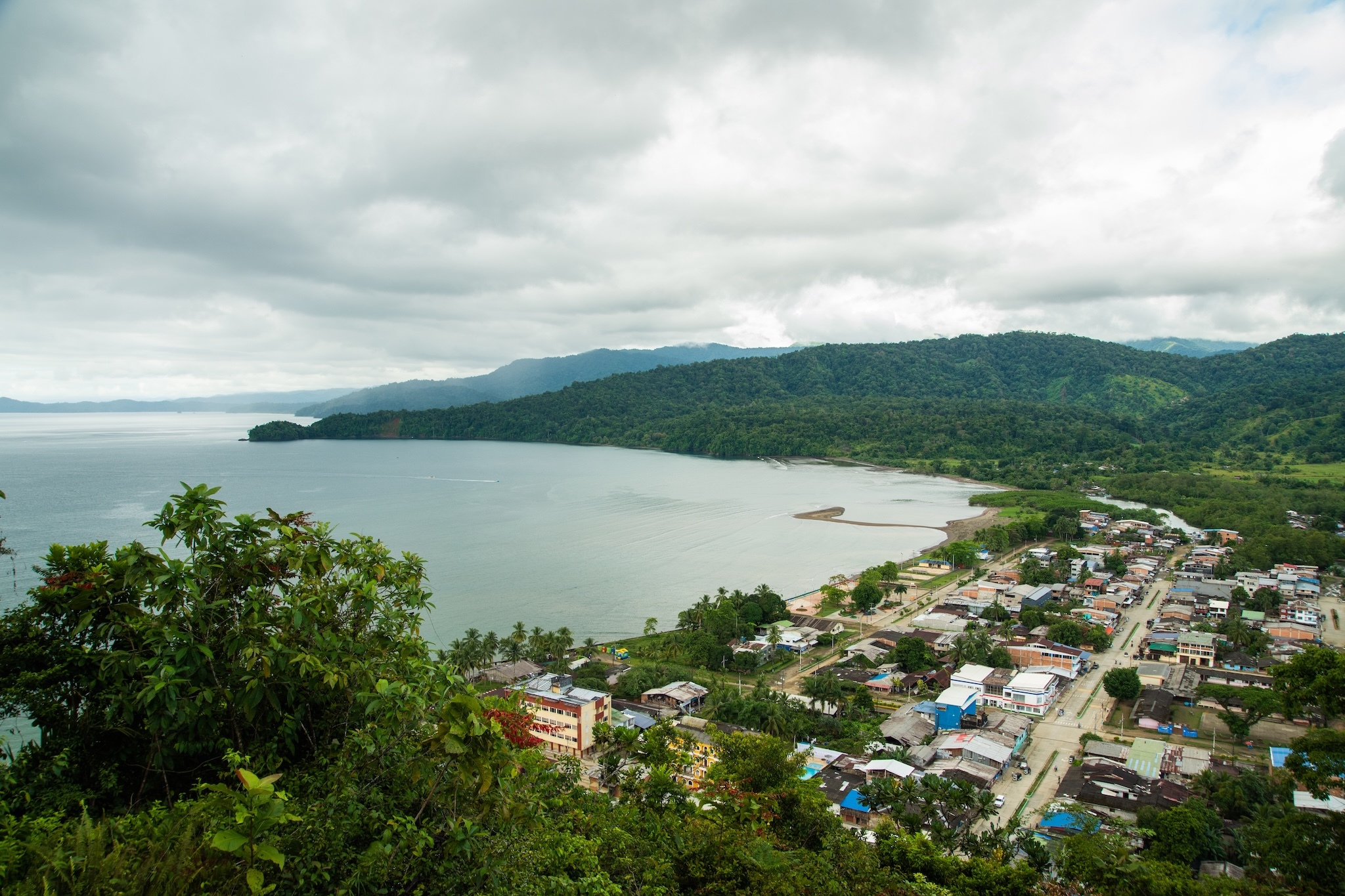
Colombia, home to sprawling and magnetic cities like Bogota and Medellin as well as vast swathes of Amazon Rainforest, has been struck by a severe earthquake. There has been damage to hundreds of buildings, thousands of injuries, and a growing number of fatalities, which currently sits at 175.
Below is an up-to-date guide of everything you need to know if you have a trip booked to Colombia.
Where was the earthquake in Colombia?
The earthquake struck at 7.34am local time on Monday August 10, and the epicentre of the tremor was located in the western department of Chocó, with major cities like Cali and Pereira severely affected.
It was also felt in parts of Venezuela, which was struck by another major earthquake on June 24.
Is it safe to travel to Colombia?
The quake, recorded by US and Colombian geological surveys, reportedly registered at a magnitude of 7.4. At the time of writing, the death toll has reached 175.
The area most severely affected is western Colombia, with images of people hunting for missing people in the rubble and the collapsed spire of the cathedral of Manizales circulating online since Monday.
‘The national government has all of its capabilities deployed to protect lives, assist affected communities and deliver aid wherever it is needed,’ said the country’s president, Abelardo de la Espriella. ‘The first priority is rescuing the people trapped under the rubble.’
Cartagena, Medellín and Bogota are unaffected by the earthquake, but airports in Medellín and Bogota are experiencing cancellations and delays.
What’s the latest advice from the UK Government?
The FDCO’s travel advice page for Colombia reads: ‘On the morning of Monday 10 August, Colombia suffered an earthquake affecting large parts of the country. Initial reports indicate a magnitude of 7.4 with its epicentre near San José del Palmar in the department of Chocó in the West of Colombia (approximately 90km from Bogotá). Expect potential disruption to travel and airport closures. Wider infrastructure and roads may be affected.’
‘If you’re in Colombia, follow the advice of local authorities, stay away from damaged buildings and plan ahead.’
The following airports are currently closed: La Nubia Airport (Manizales), Matecaña International Airport (Pereira), El Edén International Airport (Armenia), El Caraño Airport (Quibdó), Santa Ana Airport (Cartago), Gerardo Tobar López Airport (Buenaventura)
Get real-time information (in Spanish) following an earthquake from: the National Unit for Disaster Risk Management (UNGRD) or Colombia’s Geological Services.
‘Be aware of the possibility of earthquake aftershocks. See further guidance about earthquakes.’
Can I get a refund if I cancel my trip?
It depends on your travel insurance and your travel provider. Travelling to Colombia has not been officially advised against, which means that if you have a trip planned to an unaffected area, it’s not guaranteed you’ll be entitled to a refund should you choose to cancel. Standard policies do not pay out for voluntary cancellations.
If an airline cancels your flight due to the earthquake, you are entitled to a full refund. Some airlines, including Iberia, LATAM and Avianca, are offering flexible booking and penalty-free refunds.
When was the last earthquake in Colombia?
A magnitude 6.1 earthquake struck Colombia’s coffee-growing region in 1999, killing 1,185 people and injuring over 8,500. It also destroyed almost 36,000 homes, with the worst destruction occurring in the city of Armenia, which has also been affected by this week’s earthquake.
Stay in the loop: sign up to our free Travel newsletter for all the latest travel news across the world.