



![23rd Jul: Love in Slow Motion (2026), 1hr 33m [TV-PG] (6/10)](https://occ-0-171-92.1.nflxso.net/dnm/api/v6/0Qzqdxw-HG1AiOKLWWPsFOUDA2E/AAAABRYbG4ZhGwiCU22mXDPTG8vc5yfFNEx54nh_UoAERT3Dk2CLB61nQDxUrywqRQIgzTpVgP8BCkTWTnDrgjZGgtUqW071n2DXoCQfNiIqGD_kAclbkCfUZF33sNSwg1SsGzJHJOWSqCXY-0tXq5mxG3rOAt6yciv8kDVvD8_BTsZA5w.jpg?r=9f4 "23rd Jul: Love in Slow Motion (2026), 1hr 33m [TV-PG] (6/10)")


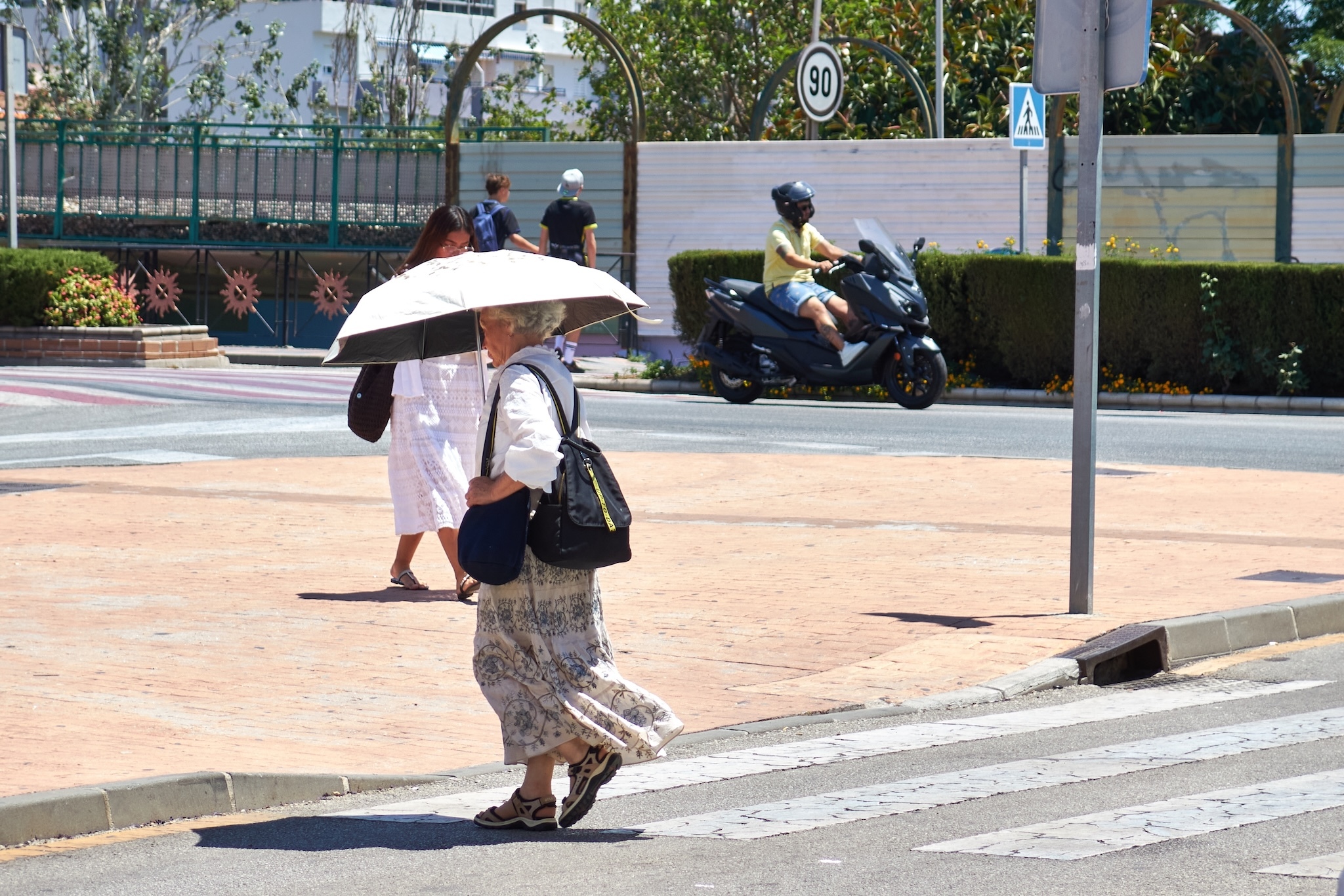
If you’ve got a trip to Spain booked this summer, you’ll want to keep an eye on the weather forecast. The country is facing its third official heatwave of 2026, with meteorologists warning of record-breaking temperatures in the coming days, on top of a wildfire season that’s already proved deadly. Here’s what’s actually happening, and what it means for your travel plans.
What’s happening in Spain?
Spain’s national weather agency, AEMET, is forecasting an intensifying heatwave with temperatures expected to climb steadily from the weekend before peaking around Thursday. It follows what’s already been an unusually hot summer, where average temperatures between early June and mid-July have been around 3.3C above the long-term norm, one of the warmest starts to summer on record in Spain.
Where in Spain will it be hottest?
The regions likely to see the highest temperatures are in the south, with Andalusia and popular destinations like Seville expected to be worst affected. Forecast models have suggested temperatures could reach as high as 47C or 48C in parts of the region, which would come close to or exceed Spain’s all-time record of 47.6C in Córdoba province in August 2021. Parts of Catalonia are also expected to see temperatures well above 40C over the coming days and popular tourist destinations like Malaga could see highs of 45C.
As ever with heatwave forecasts this far ahead, exact figures can change, so it’s worth checking AEMET’s official warnings closer to the time if you’re travelling to an affected area.
Where are the wildfires in Spain?
In early July, wildfires swept across areas of southern Europe, including Spain. Fast-moving wildfires in Almería, Andalusia, killed at least 12 people and scorched over 6,600 hectares, making it one of the deadliest fires the region has seen in years. That blaze is now under control, but firefighters are currently battling two major wildfires.
One is in Aragón near Zaragoza, which has burned an estimated 15,400 hectares since it broke out on July 15. The other is the La Mierla fire in Guadalajara province, Castilla-La Mancha, which has now burned over 32,000 hectares. The fire has forced the evacuation of 34 municipalities, though regional services report that conditions are finally beginning to stabilise.

Beyond these two major fires, AEMET’s wildfire risk maps continue to flag large parts of Aragón, Catalonia, Castilla y León, Galicia and Andalusia as being at high to extreme risk over the coming days.
The European Commission has deployed what it describes as its largest-ever wildfire response this year, pre-positioning 777 firefighters from 14 countries, along with 22 firefighting aircraft and 5 helicopters, across high-risk areas including Spain, France, Portugal, Italy, Greece and Cyprus.
Is it safe to travel?
As things stand, the FCDO has not advised against travel to any part of Spain because of the heatwave or wildfires, and there have been no reports of major airport disruption linked to the current fires. That said, conditions can change quickly during a heatwave, so it’s worth checking your airline’s status page before you travel and keeping an eye on local news once you’re there, particularly if you’re headed to Andalusia, Aragón or Castilla-La Mancha.
If you’re travelling during the hottest days, take the general precautions you would in any severe heat: avoid the sun between around 11am and 3pm where possible, stay hydrated, wear sunscreen and light clothing, and check on any vulnerable family members or travel companions. If you’re heading into rural or wooded areas in an affected region, it’s worth checking local wildfire risk maps first and following any evacuation orders immediately if they’re issued.
Fire and heat safety resources
What are my rights if I cancel my trip?
If the FCDO hasn’t advised against travel to your destination, you don’t have an automatic right to cancel and claim your money back. Refunds and cancellations typically only become available if there’s official government advice against travel to the area, a wildfire within a certain radius of your accommodation, or your flight or transport is cancelled as a direct result of a fire.
If you’re concerned about an upcoming trip, contact your travel provider first, as some may offer flexibility even without a formal cancellation, particularly if you’re headed somewhere close to an active fire. Cancelling purely out of caution where there’s no official advice against travel makes a successful refund claim unlikely, so it’s worth weighing up your options with your provider or travel insurer before doing so.
Stay in the loop: sign up to our free Travel newsletter for all the latest travel news and best stuff happening across the world.