



Known as a year-round paradise for nature lovers of all kinds, Glacier National Park in B.C.’s breathtaking Columbia Mountains region is a must-visit this summer. And since it’s already beginning to feel like the season ahead, we think it’s the ideal time to start planning your trip.
Visitors will find numerous hiking trails ranging in difficulty level, pioneered by Swiss mountain guides that take you through moss-draped old-growth, through vibrant fields of wildflowers, and up to dramatic mountain peaks.
You can even walk the abandoned rail bed that symbolizes one of the final links in Canada’s first trans-continental railway.
Wildlife viewing opportunities
The park’s biodiverse alpine environment and old-growth rainforest mean that there is no shortage of plants and animals that call the area home.
May and June are not only the best times of year for birdwatching, but for spotting bears emerging from hibernation. According to Parks Canada, black bears and grizzlies can often be seen from the highway during the early mornings or later in the day, when traffic is minimal.
“Scan the avalanche slopes in Rogers Pass,” Parks Canada advises bear-watching hopefuls. “When the dandelions bloom, black bears often consume a floral salad at the roadside. During July and August, bears are harder to spot because of the dense vegetation.”
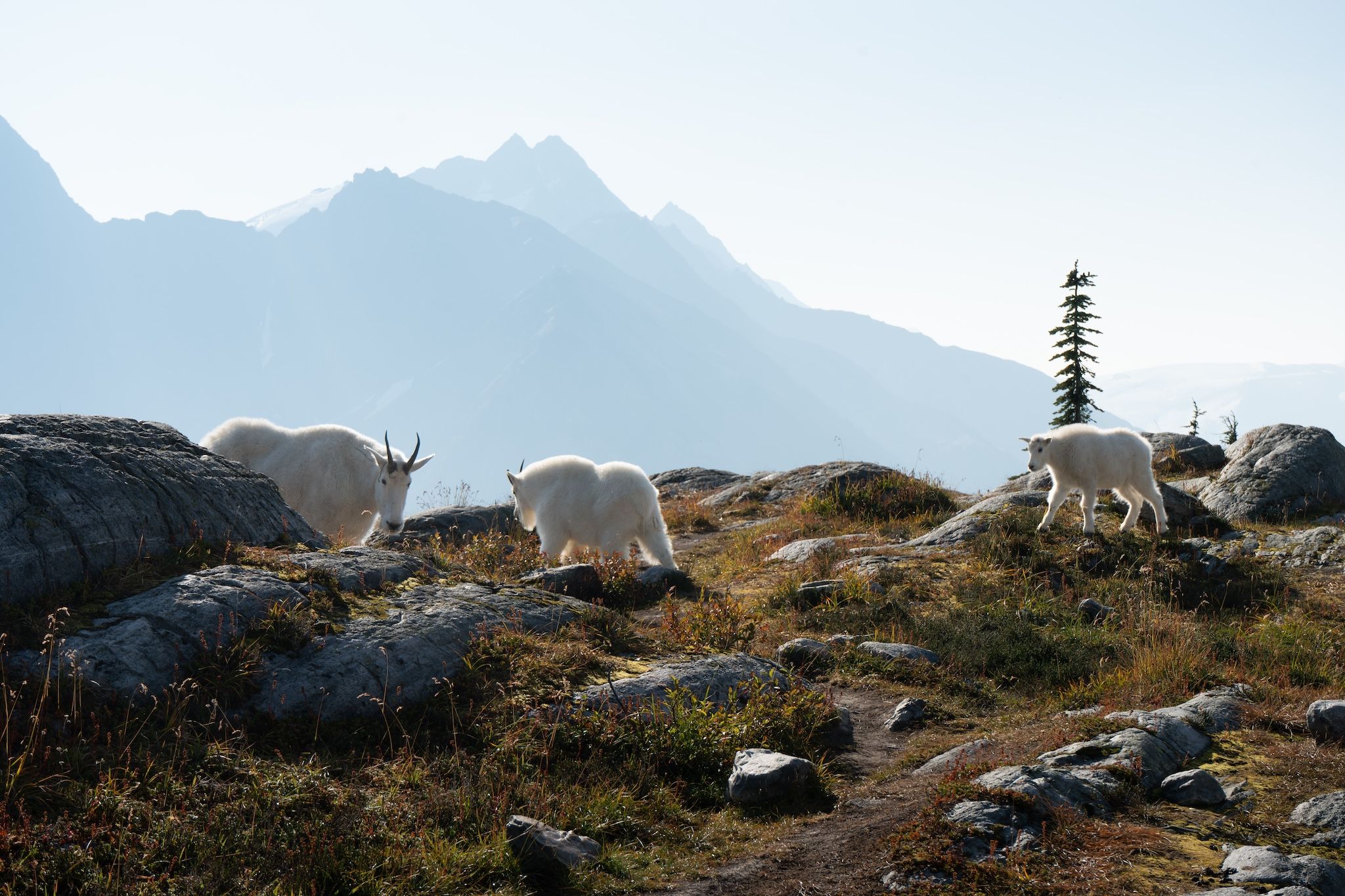
You may also spot mountain goats year-round, as they frequent the area above the highway snowsheds, on the eastern side of Rogers Pass.
Plant lovers will find a multitude of wild berries, lichen, moss, fungi, wild ginger, alpine flowers, and so much more. This includes “defensive” plants that pack a punch, so to speak.
“Devil’s club can be found towering in old forests with its sharp, strong spines along every surface,” Parks Canada notes. “Sundews are a carnivorous plant, but thankfully, they are so small that they only feed on insects that are attracted by their sweet nectar.”
Free admission to all national parks
Thanks to the return of the Canada Strong Pass, you can visit this park (and all other Parks Canada locations) for free from June 19 to Sept. 7, 2026, and enjoy 25 per cent off camping, with no pass needed.
As to be expected, however, campsites go fast. So make sure you plan your visit soon if you’re hoping to snag a discounted spot this summer.
Happy exploring!
How to get there: Drive eight hours from Vancouver via the Trans-Canada Highway (Highway 1) East.
Recent Posts:
Vancouver International Jazz Festival announces Granville Island summer concert lineup
Sail to puffin paradise: B.C.’s most remote bird colonies await on this guided tour