

![8th Aug: Green Book (2018), 2hr 10m [PG-13] – Streaming Again (7.1/10)](https://occ-0-748-1001.1.nflxso.net/dnm/api/v6/0Qzqdxw-HG1AiOKLWWPsFOUDA2E/AAAABT6fn6AC-BkcQOYM1gurfUyZU2BCeN3lCQYzfKiyV8FrNSr3uXYtDAuHn2n9IhOYPE22cD_Ok6-Xdq46M2yMZ-DjfqyquE_233FJ.jpg?r=b1d "8th Aug: Green Book (2018), 2hr 10m [PG-13] – Streaming Again (7.1/10)")




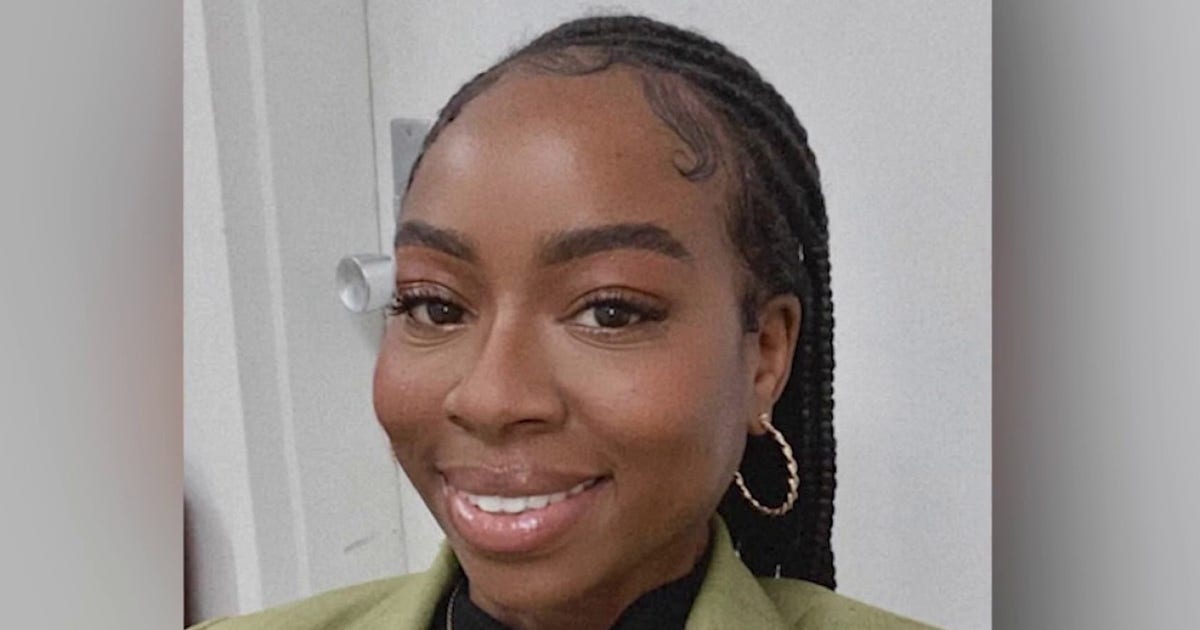
Cheyenne Scarlett is co-founder of the Black Birth Project, which seeks to improve maternal health for Black women in Canada.Ebti Nabag/The Globe and Mail
Childbirth can be a traumatic experience for some mothers, as a new report earlier this month outlines, with almost half of women saying that it had affected their mental health – and one in three feeling that their pain and anxiety had been ignored or dismissed by health care providers.
For racialized women, the figures are even more concerning. Thirty-seven per cent of women from visible minorities described their delivery as “challenging or distressing,” compared to 34 per cent of all mothers.
Cheyenne Scarlett is the co-founder of the Black Birth Project, an organization that hopes to improve maternal health for Black women in Canada. She’s also a professor of early childhood education at Seneca Polytechnic, and a certified doula who works frequently with women from racialized communities. We spoke with her about her work.
Ann Hui: When we talk about birth trauma, what does that include?
Cheyenne Scarlett: It might be physical trauma, like having a birth injury – severe vaginal tears, a broken tailbone, a ruptured uterus, sepsis, or even some of these medical malpractice issues, like being administered the wrong medication.
Or it could be emotional trauma. That might be related to how someone spoke to you, or how they treated your baby, or your spouse. If they dismissed you or made you feel silly or unimportant, all of those things count.
I think when it comes to medical diagnosis, when we’re talking about depression and anxiety or baby blues, there are more clear guidelines. But there’s no medical diagnosis necessary for you to feel or say, “My experience was bad.”
Toronto-based doula service aims to end disparities in Black maternal and neonatal health
Can you talk about how the experience can be even more challenging for racialized women?
CS: We know that racism is in every level of everything, everywhere – especially health care. The experiences are often negative – dismissal, or providers treating patients like they don’t know anything, and not telling them everything.
It’s often about being dismissed to the point where it’s too late for them to receive an intervention, or to receive an epidural. Or being turned away from the hospital or repeatedly being given morphine and then sent home.
And this is made even more complicated when the person is trans or non-binary, or in a queer relationship.
There are negative stereotypes about Black women – that we have a million children, that we’re uneducated, that we’re single, that we have multiple children with multiple partners, things like that. But in my study [in 2020, interviewing dozens of Black women who had given birth across Canada], everybody had higher education. There were PhDs, lawyers, most people were married, most people having their first or second baby. And they still receive that negative treatment.
So it makes you wonder, what happens when they do fall into those negative stereotypes?
You also mentioned that Black women’s requests for private rooms in hospitals often go ignored, and that health care staff assume they can’t pay for it?
CS: In the United States, income is a huge factor [when it comes to discrimination], because people have different types of insurance. They’re accepted at different hospitals and different networks, and it’s complicated.
But in Ontario, everybody has OHIP or not, right? But it still comes into play when it comes to private rooms.
Tell me about your own experiences of childbirth.
CS: In October, 2020, I had an ectopic pregnancy [when the egg implants outside of the uterus, which can lead to severe bleeding]. I had gone to the ultrasound clinic just to see what was going on, and the radiologist said, “I need you to go to the ER right now.” He said, “It’s super important that you go right now, because you could bleed out and die.” His words.
But when I showed up to the ER with the paperwork and my images, the triage nurse looked at me and said, “You look fine.” And then they sent me to see the ER doctor, and he looked at me and said, “I’m not buying what you’re selling.” Even though I had the documentation and the paperwork.
So they repeated everything, and I did have an ectopic pregnancy. Still, he said, “We’re going to send you home and someone will call you tomorrow” – even though an ectopic pregnancy is not something that you wait and see for.
So the next day, they called me. By that point, medication was not an option. They said I had to have surgery, because the internal bleeding had progressed too much. So I had emergency surgery. And I lost a Fallopian tube in that process.
I can’t say, if I had been treated the night before, if things would have turned out differently. But it was very interesting to me that the person I spoke to on the phone who could not see me treated me with much more urgency than the person who could see me.
You’re an advocate for collecting race-based data around health.
CS: Part of the problem is that we don’t have data. I’m telling you about a problem I know to exist because I’ve experienced it. And because I know people who have experienced it. If you talk to any Black woman about their experiences in health care, they’ll tell you that it’s a problem for any person of colour, really. But in Canada, we don’t have the data to back it up.
In the U.S. and the U.K., Black women are three or four times more likely to die from pregnancy-related causes than white women. Even when you factor in education, the most educated Black woman is still more likely to die than a white woman without a high school diploma.
You talk about flaws in the health care system, and doctors and nurses needing to do a better job of listening and communicating with their patients. But you also encourage patients to advocate for themselves.
CS: Advocating for yourself, or anybody you’re supporting, is very important. But in order to advocate you have to know what you want to advocate for. That’s where a birth plan comes in, which includes an emergency plan. Those conversations really end up being more about education, about what could happen, rather than just checking off a list.
Advocacy might also look like asking, “Hey, can I have five minutes to consider this choice you’re giving me right now?” or “What are my options?” or “Are there any other choices that I could make?’
It definitely is the larger system that needs to be fixed. But there are things that we can do to help protect ourselves.