





by Chris Peterson
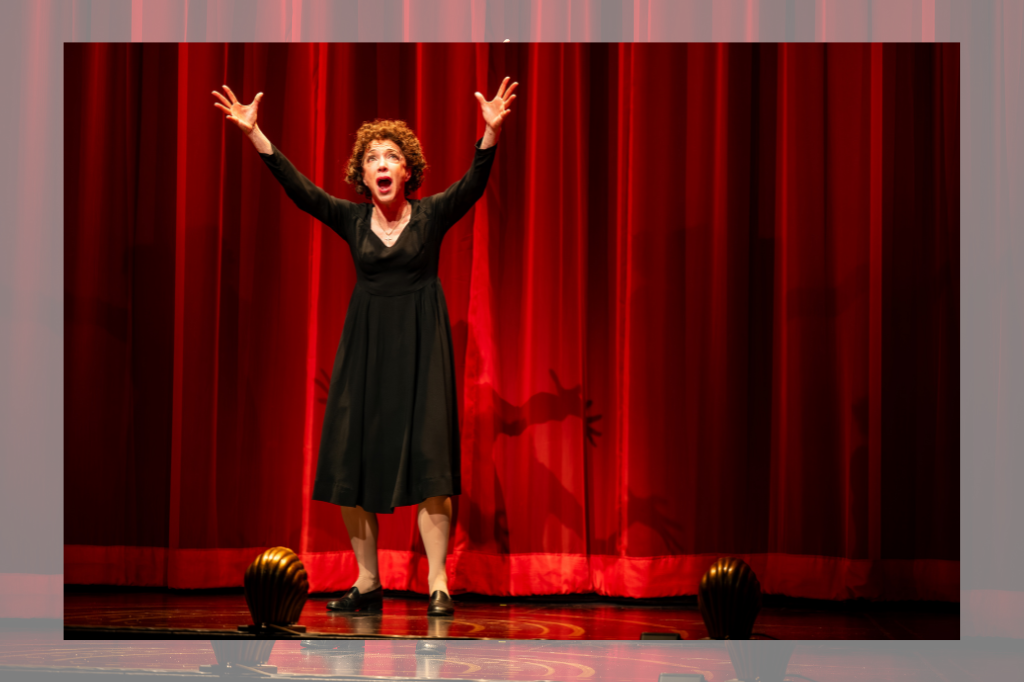
On February 25, Potomac Local reported that theatre teachers, students, and alumni in Prince William County are pushing back on new rules governing temporary stages and platforms used in school productions. The controversy centers on a memo from county Risk Management that, according to the article, now requires permits, structural review, and a lengthy approval process for temporary stage elements over certain thresholds. The requirements apply to platforms more than 16.5 inches high, larger than 120 square feet, or intended for 10 or more people.
Those thresholds are not coming out of nowhere. Prince William County’s published stage guidelines state that building permits and inspections are required for temporary stages and platforms larger than 120 square feet, more than 16.5 inches above grade, or designed to support a live load of 100 pounds per square foot, among other conditions.
But what has theatre educators alarmed is how these rules are now being applied to school productions, with teachers describing a process that includes permit fees, possible resubmittal costs, outside professional review, and timelines that do not remotely align with the pace of an actual school theatre program.
That concern lands at an awkward moment for the district. Prince William County Public Schools’ Elevate 2030 strategic plan was approved by the School Board on February 4, 2026, and the district has publicly emphasized student opportunity, innovation, and expanded access across programs. The theatre teachers’ objection is in part a contradiction between those broader aspirations and a policy approach that could make school productions significantly harder to mount.
And that is where I start to have a problem.
Because I am all for safety. Truly. I do not think students should be working on or performing on anything unsafe. I am not a scenic designer, and I am definitely not an engineer, so I am not going to pretend I know exactly what every regulation should be. But I do know when something starts to feel less like a practical safety measure and more like a bureaucracy flexing its power in a space it does not fully understand. That is what this feels like.
School theatre already runs on limited budgets, limited time, and an almost absurd amount of goodwill. It runs on teachers doing more than anyone should reasonably expect of them. It runs on students learning by doing. And in many cases, it runs on making creative things happen without endless layers of outside approval. So when a county introduces or enforces a process that makes a school set sound like a commercial construction project, it is hard not to look at that and think: who exactly is this helping?
What also frustrates me is that policies like this rarely hit every program equally. The schools with more money may be able to absorb the cost. The schools with stronger parent organizations may be able to navigate the extra process. The schools with more support behind the scenes may still find a way to pull off ambitious work. But the programs already stretched thin are the ones most likely to scale back. Those are the students who lose opportunities. Those are the productions that get flattened. Those are the communities that get told, in effect, to dream smaller.
And that is why this feels like overreach.
Not because safety is unimportant. Not because rules should not exist. But because there has to be a better middle ground between unsafe construction and making school theatre function like a heavily regulated building project. If the county truly wants safe productions, then it should be working with theatre educators to build a process that is realistic, affordable, and tailored to how school programs actually operate. That could mean pre-approved templates, faster review for standard platforms, or school-specific guidance that protects students without strangling creativity.
Because from where I am sitting, this does not read like thoughtful support for arts education. It reads like one more example of administrators making theatre harder and expecting everyone to applaud because they used the word safety.
And that word, on its own, should not end the conversation. It should start a smarter one.


