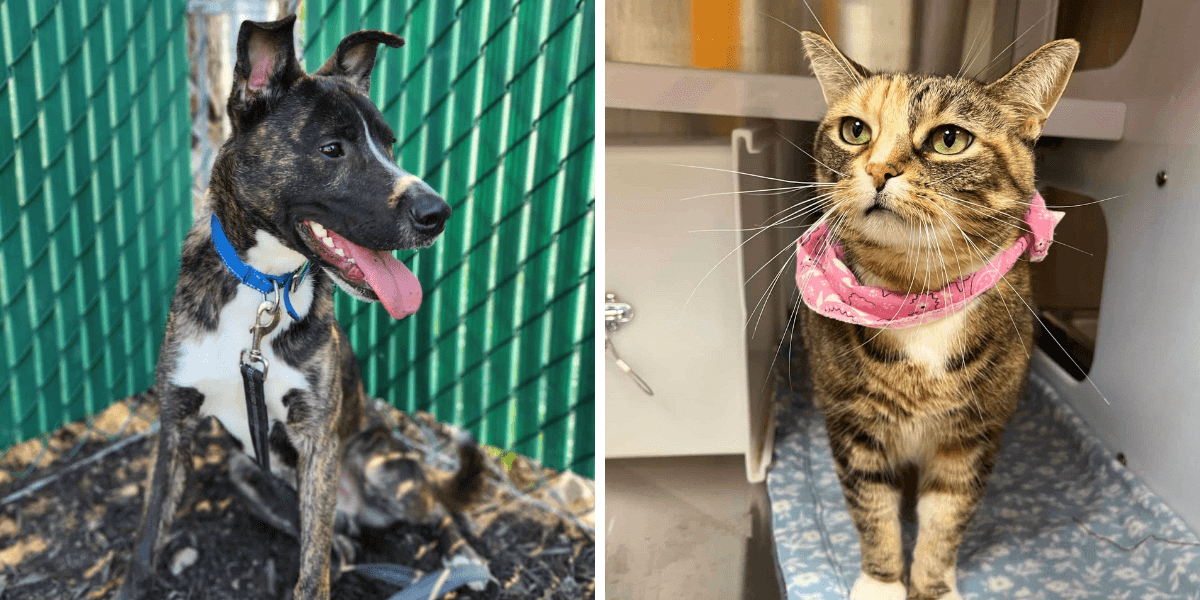






Some argue they’re better off setting aside what they’d otherwise spend in premiums in a bank account with their pet’s name on it.Sean Kilpatrick/The Canadian Press
Three weeks ago, we got a puppy. Her name is Nancy, after Nancy Wheeler, the character from Stranger Things – my son’s pick. (Incidentally, Ms. Wheeler is an aspiring journalist, which made this momma’s heart swell at my kid’s choice.)
Nancy is a four-month-old rescue from the Bahamas. She is a potcake, a common type of mutt you find in the Caribbean, known for their cocked ears and street smarts. We picked her up at the airport three weeks ago, a scared, skinny pooch who ate 2½ dinners’ worth of kibble when we brought her home.
She has since blossomed into an irresistibly lovable, outgoing goofball.
Having a puppy, it turns out, is a bit like having a toddler. There is potty training and cleaning up after frequent accidents. There’s waking up at the sound of little footsteps – or a tail wagging noisily against the crate – at the crack of dawn every single day. And there’s having to turn the house upside-down to eliminate things that could harm the little creature or be harmed by them.
There’s also pondering a long list of gadgets that might turn out to be absolute lifesavers or a complete waste of money. For example, my son could not care less about fancy, electric baby swings. The cheap bouncy kind? A total winner.
Nancy shunned all the hard chew-toys we got her. What she really likes is stuffies. Try as you might to plan ahead and spend carefully, you will buy some stuff you don’t need.
But there’s one financial dilemma that comes up only for fur babies. Is pet insurance worth it?
I thought I knew the answer. A couple of years ago, I wrote an in-depth feature with my colleague Chris Hannay about the skyrocketing cost of vet care. After hearing about bills in the tens of thousands of dollars, I came away from that assignment firmly convinced that every dog or cat owner should get coverage.
Some people argue they’re better off setting aside what they’d otherwise spend in premiums in a bank account with their pet’s name on it. But that assumes no accident or serious illness will strike until they’ve had years to build up their savings.
But comparing various possible policies for Nancy over the past few weeks gave me pause for another reason. Most of the insurers I looked at offered the option to choose very modest coverage caps – often less than $3,000 a year.
Insurance that taps out at $3,000? If your maximum payout is that low, you’d absolutely be better off saving up the equivalent of your monthly premiums.
I need insurance to protect my bank account from the risk of a $30,000 vet bill, not a $3,000 one. The problem, though, is that pets are rather prone to getting sick or having accidents. And vet care is expensive.
It all means that more generous insurance payouts tend to come with very steep monthly premiums (the highest I was quoted was $250 a month – and that’s for a healthy, mixed-breed puppy, which is relatively cheap to insure).
In the end, I opted for a Trupanion policy with unlimited payouts and high deductibles, which keeps our premium at around $60 a month. Our deductibles are a whopping $1,250 per illness or injury, meaning we’d have to spend more than that on a single health emergency before the insurance kicks in. And even at that, we’d have to cover 10 per cent of the bill beyond the deductible.
I highly doubt we’ll ever see a penny from the insurance unless Nancy gets very sick or has a serious accident, which I hope never happens. But that’s okay. We’re getting protection from the really massive bills at a manageable premium.
That said, I still have some lingering doubts. Trupanion warns that it might “adjust” – which usually means “raise” – premiums as often as every year. Many other insurers do the same. I get it: Inflation for veterinary services has been rising faster than the overall inflation rate for years.
But if our premiums become much larger even without us filing any claims, I might have to reconsider our coverage.
What are your thoughts on pet insurance? You can tell me at: ealini@globeandmail.com
Subscribe to the On Money newsletter
Erica’s personal finance reading list
Oil prices predictably spiked on Wednesday, when U.S. President Donald Trump said the fragile ceasefire with Iran is “over,” as far as he’s concerned. Will gas prices follow? It depends on whether this is a bump in the road or a more serious setback.
Apple recently jacked up the prices of iPad and Macbook prices. The culprit? A global shortage of memory chips that are used in both consumer electronics and artificial intelligence data centres.
AI was supposed to help cool inflation by boosting productivity and reducing labour costs and wage growth. But so far, rising costs tied to running data centres, soaring chip prices and other supply chain bottlenecks are doing much the opposite, writes CIBC economist Avery Shenfeld.
Chart of the day
Not all rising health care costs stem from an aging population. In this chart, Fred Vettese looks at what else is driving the increase.
![9th Jul: Fired Up! (2009), 1hr 29m [PG-13] – Streaming Again (6.25/10)](https://occ-0-8162-92.1.nflxso.net/dnm/api/v6/0Qzqdxw-HG1AiOKLWWPsFOUDA2E/AAAABSQDSbL4YYFiSr07R__5kORoT2JEAuRmzmf0b197-CEa46UfHirdEOz6jjOHaMVGyQxgyNlv9vc3cc_esW6OCRYbOlXseLxbMnYN.jpg?r=0d9 "9th Jul: Fired Up! (2009), 1hr 29m [PG-13] – Streaming Again (6.25/10)")