



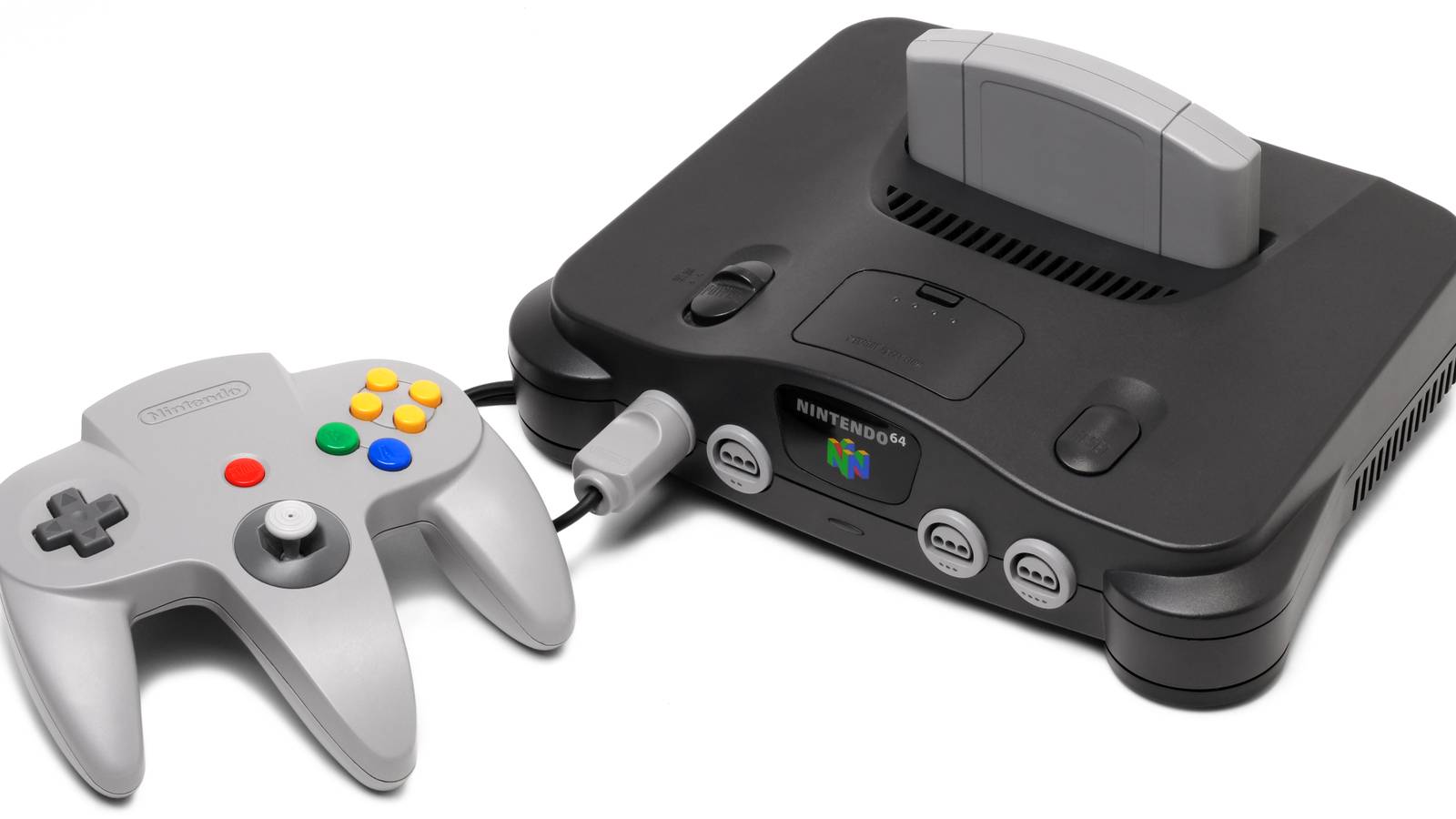
Nintendo has been releasing games long enough now that it’s easy to take the publisher’s successes for granted. We’re still feeling the effects the Nintendo 64 had on the industry 30 years after its launch, which is an impressive milestone, and yet there are times when it feels like it all happened yesterday.
As we look back on the Nintendo 64, we all might remember favorite titles that provided us with hours of quality entertainment that still resonates today. The classic software library has recently provided fertile ground for new projects, such as Starfox for Switch 2 and the recently announced The Legend of Zelda: Ocarina of Time remake. But there’s one game that hasn’t seen such an update, instead paving the way for some of the most important, system-selling sequels in Nintendo’s library of hits.
Mario Kart 64 proved its predecessor wasn’t a flash in the pan
When the Nintendo 64 launched, it did so without a new Mario Kart. At the time, that wasn’t unusual. Consoles frequently reached store shelves without support from the larger libraries we expect today. In Japan, Super Mario 64 and Pilotwings 64 were reason enough to buy the new system (plus there was a chess game).
America had the same lineup, minus the chess game, and then Cruis’n USA followed in early December. Mario Kart 64 arrived almost two weeks after that in Japan, before heading west the next year.
For players who had fond memories of Super Mario Kart, Mario provided a second compelling reason to buy the new hardware. Perhaps more importantly, by adding new features like four-player races, additional power-ups, memorable shortcuts, robust drifting mechanics, and an updated character roster, Mario Kart 64’s developers solidified a formula that paved the way for some of Nintendo’s best-selling games of all time. Mario Kart 8, by far the most popular installment, has gone on to sell nearly 80 million copies across the Wii U and the original Switch.
Love it or hate it, you owe the blue shell powerup to Mario Kart 64. The franchise has become famous for dynamic difficulty, which some people call “rubber banding.” In Super Mario Kart, it was fun to lap the drivers who finished behind you. In its sequel, a player who builds a commanding lead gets hit more frequently by the other drivers, human or otherwise. Poorer performers gain access to weapons that even the playing field. The blue shell is divisive because it exclusively targets the lead player (unless you happen to get too close to the lead driver when vengeance arrives from the skies).

The blue shell, though overpowered, ensured that players of varying skill levels could enjoy an experience with the appearance of a tight race. For a game leaning into the party angle, that was helpful. The Nintendo 64’s four controller ports allowed as many players to compete at once, doubling the number of participants, as long as you could afford to purchase four of the oft-maligned Nintendo 64 controller.
The new drivers also had more personality than those in the SNES game. Koopa Troopa and Donkey Kong Jr. went away, capably replaced by Wario and Donkey Kong. The new characters came along with some memorable new courses. Donkey Kong’s jungle-themed track, complete with a ferry, stands out in particular. Wario’s Stadium provided memories of its own, with hilly indoor terrain and a glitchy shortcut that could trim huge chunks off lap times. The game placed enough emphasis on environments that each one felt distinct, even though there weren’t quite as many tracks to explore.

Another change worth noting is the drift. In Super Mario Kart, players rounded corners while hopping, in order to avoid losing too much speed navigating a turn. If they settled into a slide, they could trim time, but they had to avoid relying on slides. If one held for too long, they would spin out as if they had collided with a banana peel. Mario Kart 64 introduced the drift, which rewards power slides. Once the kart lands from a hop, holding onto the slide causes the tires to begin smoking. Steering against the drift then modifies the smoke’s color. If the player then steers against that momentum again, the smoke turns a faint red hue. Releasing the button at that point generates a brief speed burst. The technique, known as “snaking,” ensures that even straight paths provide opportunities for skilled players to gain a lead. Admittedly, a blue shell might then come along to knock them off their cloud, but it’s all in good fun.
Super Mario Kart offered a fun twist on classic Mario gaming when it dropped favorite mascots into underpowered vehicles and had them zip through a few familiar environments. Mario Kart 64 made the most of all of those elements, rewarded (and penalized) those players who excelled, and proved the concept had lasting appeal. That’s why we see recent hits like Mario Kart Wii and Mario Kart 8 Deluxe. Without this Nintendo 64 gem, it seems safe to say the Switch 2 wouldn’t have launched with Mario Kart World as its main attraction.
If it’s been a while, or if you missed it before, Mario Kart 64 on the Nintendo Switch Online Expansion Pass is worth some of your time right now, if only to remind yourself about the game that made Mario’s drive to succeed almost impossible to ignore.

Nintendo made a fantastic Mario Kart, but a half-baked World
The series’ open-world move is compromised, while the racing is as deep and joyous as it’s ever been