



Frontmezzjunkies reports: Chapters 9, 10, and 11 of my TIFF51 odyssey arrive just as the Festival prepares to become wonderfully overwhelming
By Ross
Every year there comes a moment when TIFF stops feeling like a collection of announcements and starts feeling like an event that is rushing toward you. This is that moment. With the Short Cuts, TIFF Docs, and Midnight Madness programmes revealed over the last few days, the Festival suddenly feels complete enough to imagine walking into. Somewhere between these final programme announcements and today’s schedule release, TIFF51 transforms from anticipation into something much more tangible. The lists stop being abstract, and the possibilities become wonderfully overwhelming.
One of the great pleasures of TIFF has always been discovering that the Festival is much larger than its gala premieres and celebrity arrivals. The biggest headlines may belong to world-famous directors and actors, but every year some of the most memorable experiences happen in smaller theatres, with filmmakers whose names are still unfamiliar, telling stories I never expected to find. These three programmes quietly reinforce that idea from entirely different directions.

The 2026 Short Cuts programme continues that tradition beautifully. Forty-five films from 30 countries spread across seven curated programmes create a remarkable snapshot of where contemporary filmmaking is heading. Live action, documentary, animation, hybrid filmmaking, comedy, horror, and experimental work all share the same space. World Premieres include “Untitled Woman“, “Bloodline“, “Fight Kid“, “Termite“, “Call Me Tim“, and Yung Chang’s fiction debut “The Highway“, while the Strange Cuts programme promises another wonderfully unpredictable late-night detour into bizarre animation, unsettling horror, and films that seem determined to ignore easy categorization.
Perhaps what intrigues me most about Short Cuts is its reputation for introducing audiences to filmmakers long before they become household names within the festival world. TIFF itself points to alumni including Charlotte Wells, Luis De Filippis, Matthew Rankin, Fawzia Mirza, Nora El Hourch, and Sophy Romvari. It is one of those reminders that a ten-minute short can become the first chapter of a much longer cinematic career.

TIFF Docs widens the conversation even further. Twenty-one documentaries from 20 countries, including 18 World Premieres, stretch across politics, music, sport, history, labour movements, migration, and war. The subjects alone illustrate how expansive documentary filmmaking has become. Megan Rapinoe, Edward Said, soul legend Darlene Love, Ukrainian youth, Northern Italian winemakers, ultramarathon runner Tiberiu Uşeriu, Palestinian-American scholarship, Black and Jewish communities, and cowgirls all find a place within the same programme.
What strikes me most is how naturally these stories sit beside one another. TIFF Docs never feels confined to a single definition of documentary filmmaking. Personal portraits exist alongside historical investigation. Intimate human stories share space with urgent global issues. More than two-thirds of this year’s programme is directed by women, connecting pioneering documentary voices such as Barbara Kopple with another generation of filmmakers who continue expanding what documentary cinema can accomplish.

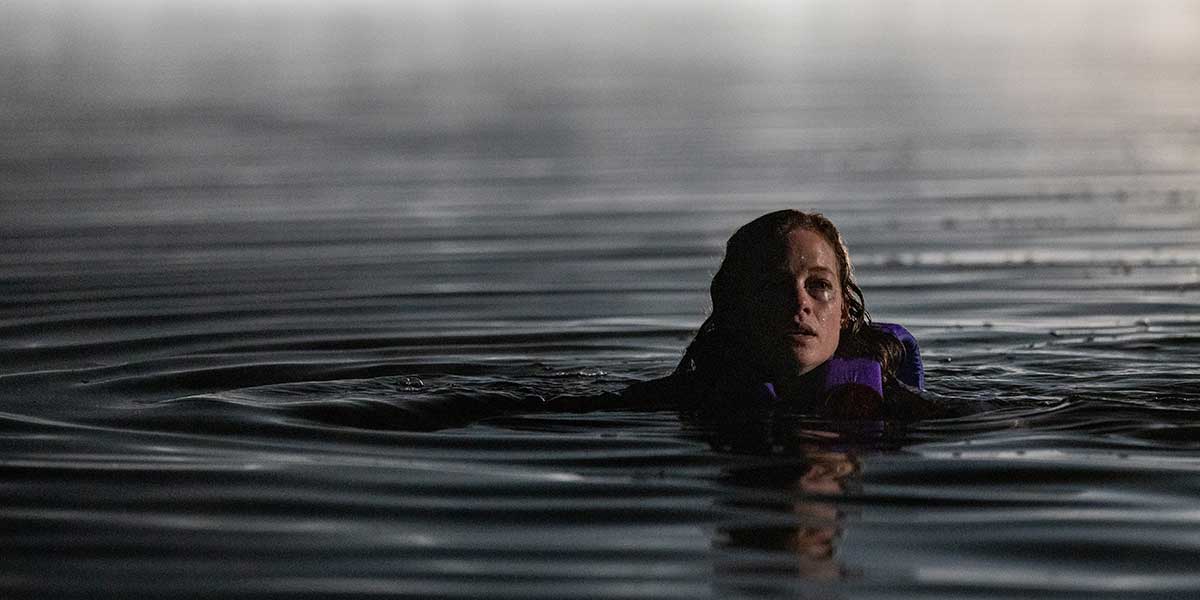
Then there is Midnight Madness. Every film festival has its own personality, but TIFF‘s Midnight Madness remains the programme that refuses to apologize for loving cinema at its loudest, strangest, bloodiest, funniest, and most gloriously excessive. This year’s lineup promises masked killers, medieval ghosts, psychological thrillers, comic-book adaptations, martial-artist vampires, existential crises, yakuza, politicians, and even an infamous talking pineapple. Somehow it all makes perfect sense once Peter Kuplowsky begins introducing films at 11:59 p.m. inside the Royal Alexandra Theatre.
Joshua Giuliano’s “River” opens the programme, Duncan Jones closes it with “Rogue Trooper“, while Anna Biller returns with the long-awaited “The Face of Horror“. Special screenings of Na Hong-jin’s “Hope” and Curry Barker’s “Obsession” only add to the sense that Midnight Madness remains one of TIFF‘s most distinctive identities, where audiences become just as memorable as the films themselves.

Taken together, these three programmes reveal something essential about TIFF51. They celebrate discovery in every possible direction. New filmmakers. New documentary voices. New experiments with genre. New ways of looking at familiar subjects. The Festival’s greatest strength has never been simply gathering famous names in one city for 11 days. It is creating space where every corner of cinema can coexist, from a deeply personal documentary to a midnight horror film to a seven-minute animated short.
And that is what makes today feel different. The schedule is about to be revealed today, and my calendar is about to become far more complicated than I would probably like to admit. The balancing act between screenings, tickets, visiting film-obsessed friends, my day job, and the need for sleep is about to challenge my organizational and compartmentalization skills. Yet beneath all those practical considerations sits the reason I keep coming back. TIFF has an extraordinary ability to make the world feel larger through film. These final programme announcements complete that picture, turning anticipation into something much closer to an adventure waiting just around the corner. I’m so very curious about all the places it will take me.