






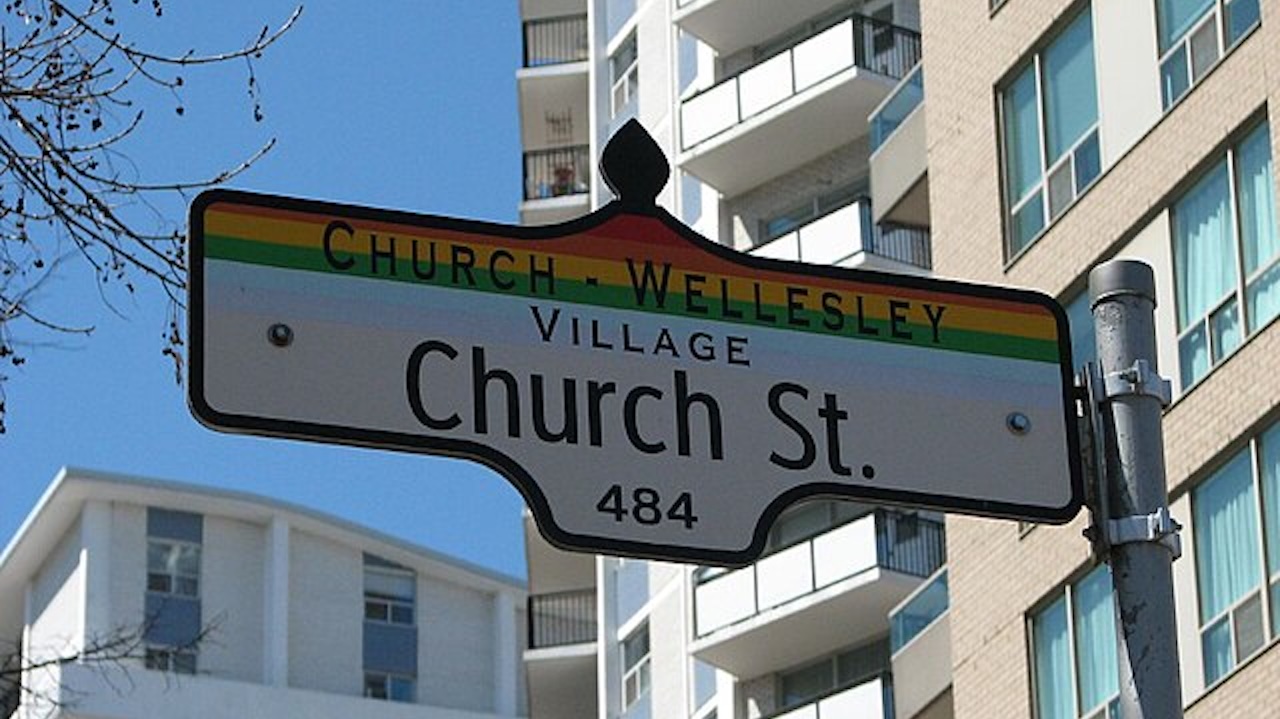
Toronto is set to transform part of Church Street into a pedestrian-only destination this summer as part of the new Church Street Pedestrianization Pilot in the Church-Wellesley Village after a proposed project was approved at city council on May 21.
From June 19 to August 21, 2026, two blocks of Church Street between Wellesley and Alexander streets will be closed to vehicle traffic, creating a safer and more accessible public space for residents, visitors, and local businesses.
The initiative, developed in partnership with the Church-Wellesley Village BIA, coincides with two major milestones for the neighbourhood: the 50th anniversary of The 519 community centre and the proposed Cultural District designation expected to go before City Council later this year.
“As we have seen with street festivals and past open streets events in Toronto, car-free spaces are very popular and can contribute to this city’s civic well-being and economic vitality,” wrote Robert Zaichkowski, of Open Streets Toronto, in a letter of support for the initiative. “However, these events often only last a day or a weekend, and we lack permanent pedestrian streets and extended pedestrian streets events which other cities such as Montréal have enjoyed.”
City officials say the project aims to improve walkability, support economic activity, and celebrate the Village’s important role in Toronto’s 2SLGBTQ+ history. East-west traffic routes will remain open during the pilot.
The concept was inspired by Montreal’s successful seasonal pedestrianization of Rue Sainte-Catherine Ouest, which evolved into a long-term urban design project after several years of testing.
“Toronto should look to the proven success of Montreal’s Rue Sainte-Catherine as a primary model for urban vitality and economic growth,” stated local city councillor Chris Moise, in a letter to council advocating for the move. “This year marks the 20th anniversary of Montreal’s seasonal pedestrianization program, which has successfully transformed their Village into a world-class destination.”
Project organizers say feedback gathered during the pilot will help shape future reconstruction plans for Church Street and inform broader city policies on long-term street pedestrianization.
The estimated cost of the pilot ranges from $50,000 to $80,000 and will be funded through grants and sponsorships. Residents are encouraged to participate in surveys and community consultations throughout the summer.