



Picture Credit: Netflix / Getty Images
Joya Kazi has been dancing since she was eight years old. Since then, she’s built a wide-spanning career – choreographing for films, music videos, and television shows, not to mention touring with her dance company. Kazi worked on The Afterparty and Never Have I Ever, plus music videos for Wu-Tang Clan, Saweetie, and Raja Kumari.
Most recently, she co-choreographed the new Netflix hit, Best of the Best, with Makenzie Dustman and Phillip Chbeeb. The success of Lena Khan’s film about friendship and dance has made Kazi proud. “It truly is surreal,” she told What’s On Netflix, “and it comes with a lot of, I would say, responsibility and a sense of respect for our culture and overall validation. I feel like for so many years we were constantly having to explain what Bollywood is and almost convince people as to why our art matters. Now, it’s a global conversation, so it’s incredible.”
The movie has a sincere love of dance. No irony here even with the college movie sports tropes. Did you connect with the sincerity?
Well, I lived in that world.
At UC Davis, right?
Exactly. Twenty years ago, I started Davis’ very first competitive Bollywood dance team. Back then, we called it Hindi film dance because that word, Bollywood, had still not been coined. I lived the rivalry, the drama, the 2:00 a.m. garage practices, DIY-ing props and going to the warehouse trying to figure out which nails and screws you’re supposed to use for a hinge door.
On top of that, all the training. It was really interesting to see how Maitreyi and Priyanka really jumped into that role, because neither of them really had any dance experience prior to that. To start from scratch, especially for Maitreyi, and build the core of a competition dancer, it was like jumping through hoops.
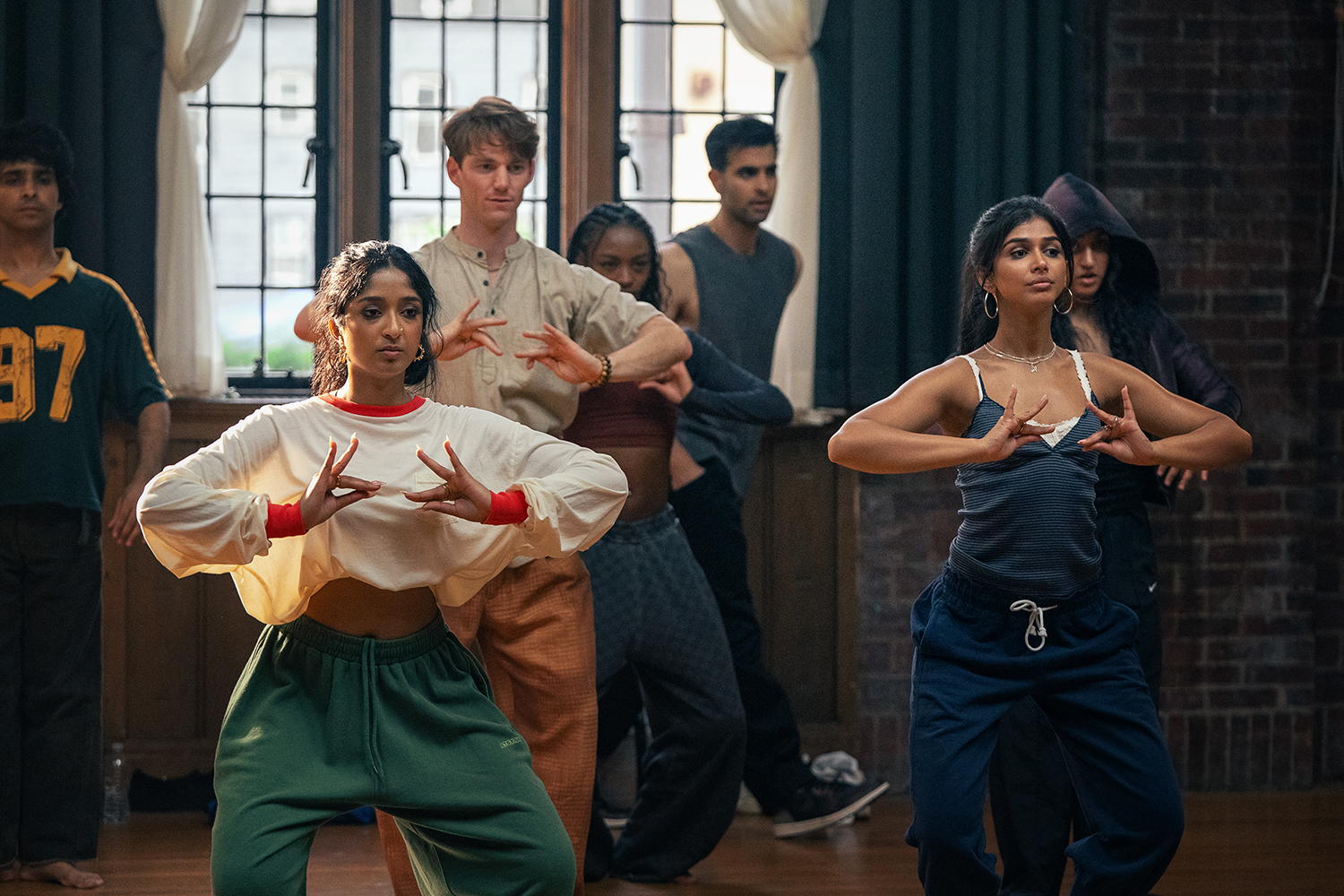
Best of the Best. (L to R) Maitreyi Ramakrishnan as Maya, Nico Greetham as Harry, Ankur Rathee as Ronak, Priyanka Kedia as Anjali, Amryn Khurana as Sumi in Best of the Best. Cr. Emily V. Aragones/Netflix © 2026
What do you teach them along the lines of, “This is what someone at this level of experience, as your characters are, would know or do”?
There was a lot of nuance, especially what I was doing as a co-choreographer as well as a cultural consultant. You’re carrying this responsibility of being one of the very few people who has been entrusted with the responsibility of representing a multitude of cultures. South Asia is so incredibly diverse.
While keeping in mind that this isn’t a Bollywood movie, this isn’t about India, this is about a very unique South Asian American voice, I really wanted people to feel not just the dancing, but also the culture. Then how do you do justice to the director’s vision, what the community expects of you, and also make sure that your dancers and your actors look phenomenal?
I was constantly workshopping movement to make sure that it made them shine. Maitreyi and Priyanka did four months of training. I worked with Maitreyi on Never Have I Ever previously, and we had crazy turnaround times for that. We probably only had three hours to work on a routine, then we would have rehearsals for about 10-minute sections while she was getting her makeup touched up in between scenes.
But that was a very different beast from what this is.
In this process, she had enough time to really feel the frustrations and the fatigue of a training dancer. She’s incredibly intelligent and disciplined, just has phenomenal mental clarity and memory. But for this, you need muscle memory. And so, it was wonderful to see her work through that process with so much grace to get to the very end. She pulled off Kuthu, hip-hop – I mean, everything under the sun.
And they call for such different muscle memory, right? What’s the challenge in bringing different forms of dance together?
We pulled from a variety of dance forms, because that’s really what South Asian American culture is. We have roots coming from different states in India, where every state has its own cuisine, its own clothing, dance styles, multiple languages.
And then there’s this new culture that has been created that exists only in America, just like Creole culture is a mix of Caribbean, French, Indigenous. In the same way, South Asian American cultures have shaped this Bollywood dance here.
So we are doing classical dances, folk dances like Bhangra and Garba and Kuthu, while also being influenced by American pop culture. So, you have all of these other Western styles in it. For us, I wanted to make sure that we weren’t just going down a checklist and saying, “Oh, let’s make sure we get this and this,” because you can only scratch the surface with representation.
It’s not about trying to represent everything and everyone. I wanted it seamless, the way that we wove the various styles together needed to feel authentic to a real team.
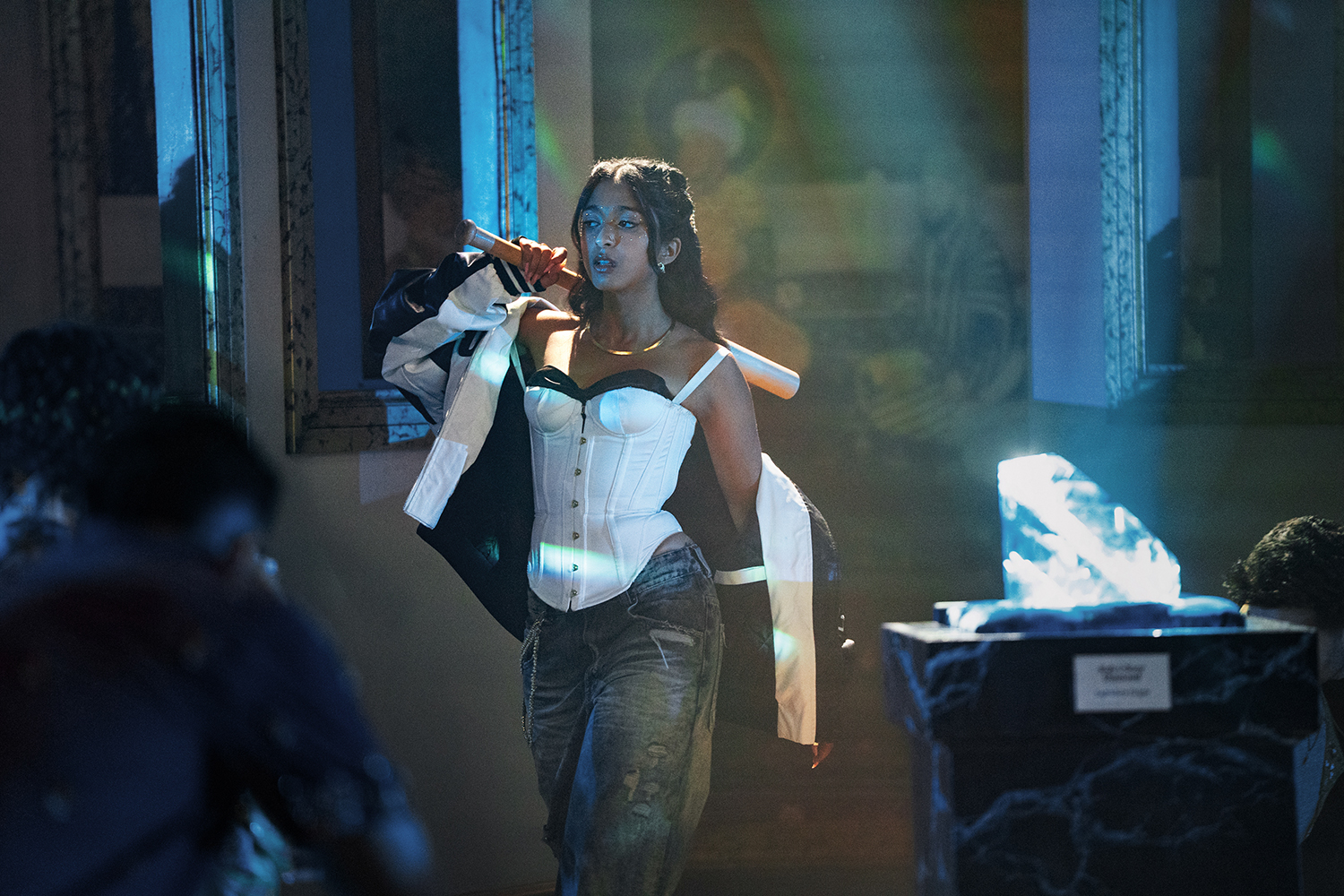
Best of the Best. (L to R) Maitreyi Ramakrishnan as Maya in Best of the Best. Cr. Emily V. Aragones/Netflix © 2026
The dances always define character and propel the story in Best of the Best. What was the beginning, middle and end for you in how Maya and Anjali would express themselves?
So it’s a beautiful story of sisterhood and seeing these childhood friends now thrust into this crazy world of Bollywood in college. They’re figuring out who you are individually and also, in this dynamic of friendship, who you are in the world.
And then aside from that, dance-wise, I would say that there is a beauty in them turning to their culture in the beginning, middle and end. It’s something that never leaves them, but by the end, they actually use it as their superpower. Whereas in the very first dance, one of the interesting notes that I received on my first several drafts of the opening Bharatanatyam classical dance piece was that it was too cool.
And so, this is also an interesting thing about being a choreographer and wanting to do your job well, but also wanting to represent the community well. So, you have to decide at a certain point in time, do you want to do this job well and service the director and the script’s voice, or do you want everything to be spectacular?
I had to keep stripping that opening piece down to basics because the script required that their X-factor was actually turning to drones, not their Indian classical roots. But by the very end, you’ll see that in that museum scene where Maya has her solo in silence. She turns to her classical roots. The girls go back to doing the routine they had been creating as children, and that becomes their superpower. I love the message of owning your culture, and that is truly your superpower.
For a finale that complex, do you and the fellow choreographers ever suggest, for this move, a wide shot or medium shot might serve the move best?
I, with my other choreographers, worked together as a team in tandem to create each of the pieces. For the camera specifically, it had to be choreographed into the movement. There are times where you’re actually inside the dance, not just viewing it beyond that fourth wall, but there’s so many different parts of that dance that are happening. You have statues that are moving, paintings and set walls moving.
Honestly, that was probably the most stressful week of creating preparation.
There were literally some days where we would tell the dancers, “Guys, if we don’t get this in the next 10 minutes, this entire section will be scrapped.” And so, we had incredible dancers that pushed through. They were pushing these sets, jumping through holes in the wall, frames in the wall.
And if any one of them in any layer does not complete what they need to complete by the count it should have been completed on, it’s a domino effect. You have to go back to the very top and complete that whole thing. Somehow, with the grace of the universe, it happened.
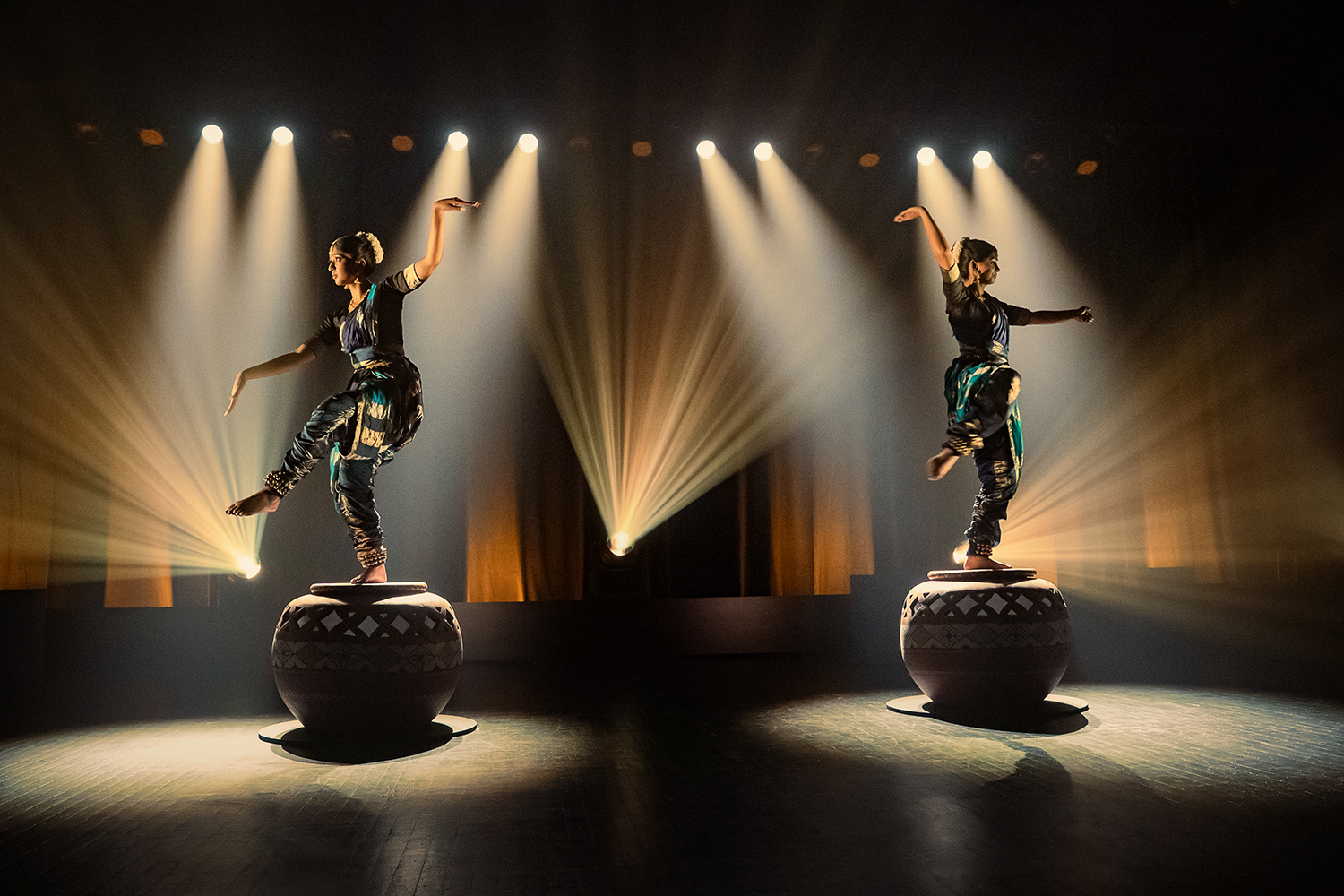
Best of the Best. (L to R) Maitreyi Ramakrishnan as Maya, Priyanka Kedia as Anjali in Best of the Best. Cr. Emily V. Aragones/Netflix © 2026
When you’re teaching dance, especially to leads without years of experience, is there an intuitive or emotional part of dance that you always try to teach as well?
For me, my approach is always one of a lot of grace, kindness and love because I know how difficult it is to be a professional dancer. I worked as a professional dancer myself for so many years, and I know what it’s like to have just fought to get into the room, and then to be presented with something that’s completely foreign to you can be extremely intimidating.
There are a lot of emotions and mental roadblocks. I try my very best to teach every single nuance in as many different ways as possible. If my dancers are not understanding what I’m trying to communicate to them, it’s the way that I’m communicating it. I really try to give them as many technical cheats.
I also explain to them that speaking different languages is just like dancing different dance styles. One thing that’s very important to note is that, just like how you would have an accent when you switch between languages, maybe you have an accent of your mother tongue, that also exists in dancers. We had dancers that had never done Indian classical dance styles or folk styles. And then, we also had a bunch of dancers who had never done hip-hop or ballroom.
I really tried to make it so that they’re able to understand the small accent changes that are required. At the end of it, it’s a two-way street. In giving them all of this grace and love and knowledge, just with their energy as they give that back, it just builds into something really beautiful.
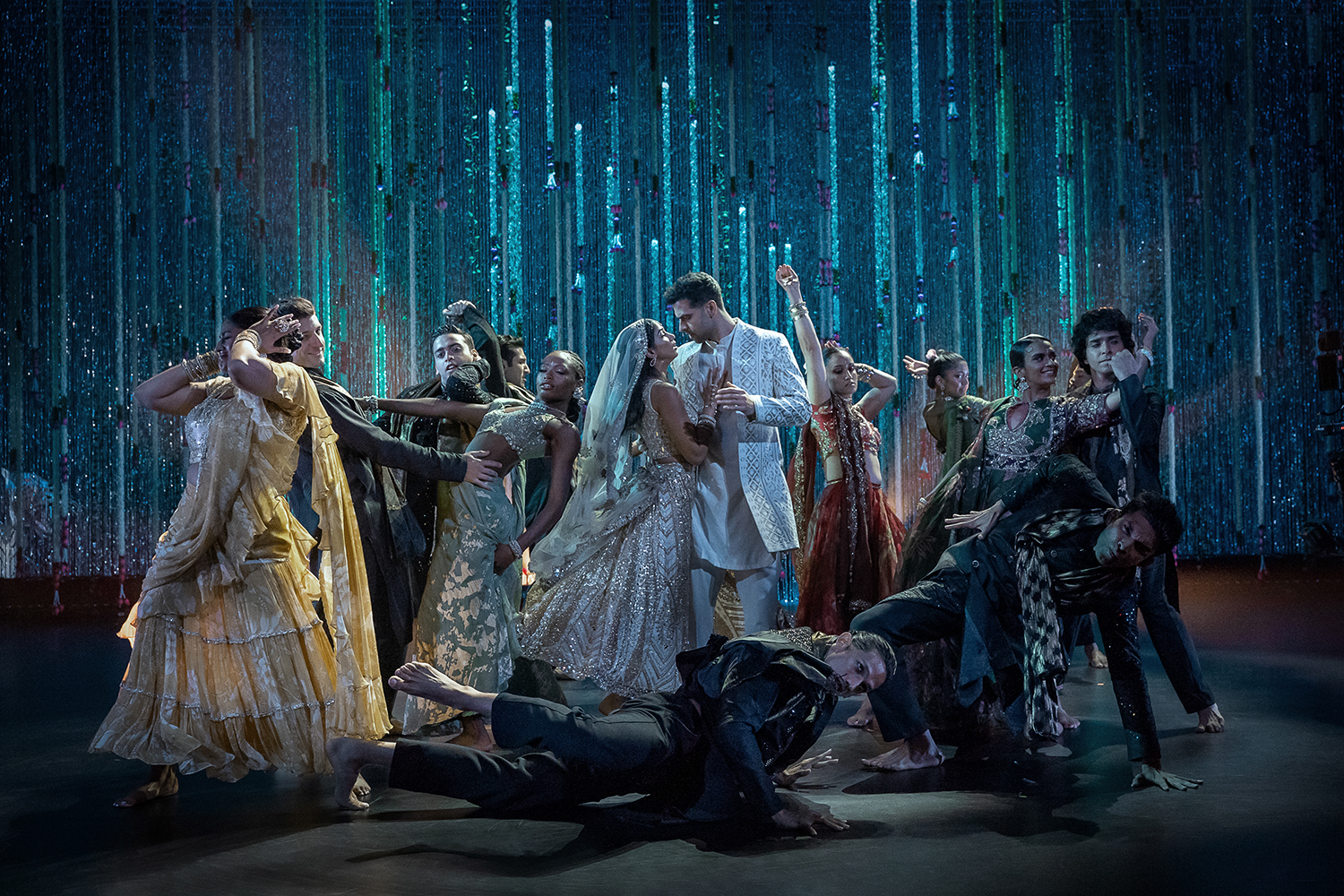
Best of the Best. (L to R) Priyanka Kedia as Anjali, Ankur Rathee as Ronak, Tanishq Joshi as Vishal, Amryn Khurana as Sumi in Best of the Best. Cr. Emily V. Aragones/Netflix © 2026
For the antagonists, the Richie Rich USC dancers, maybe who are competing for the wrong reasons, how does that affect how you see them, their choreography? What is amiss in how they dance?
So the voice of the movement, even if we’re coming and pulling from the same dance styles… For example, I use Punjabi folk dance and Bhangra in both UCLA’s ending performance as well as USC’s because this is a very popular dance style that is actually used in the circuit. But the energy is very different.
For UCLA, I wanted it to be very joyful, heroic, and charismatic. There’s excitement. They are our heroes. With USC, it’s cutthroat. For example, one of the moves I have is them taking their thumbs across their neck. I was like, “Yeah, let’s just put that in there. It’s very cutthroat.”
As someone who’s been dancing for a while, what’s unspoken between longtime dancers and friends, something that felt very truthful in Best of the Best?
One of the things that you end up developing as you dance with each other is this almost mind-reading capability. You know when a dance friend of yours – or a dance sister, dance brother, how we refer to it – is maybe forgetting choreography or has made a mistake, and everyone else just feels it and adjusts it so that the audience never knows. Or you just feel that someone’s going to be late or there’s a costume mishap happening and how to adjust.
Similarly, you can see that in Maya and Anjali, especially in that final museum scene where Anjali just feels it and she knows, “Oh, okay, this is my moment to come and support her in this, and I know what we’re going into now. We’re going to go back to our roots, to that dance choreography we created as five-year-olds.” I mean, it goes beyond the rehearsal studio. It’s something that bleeds into your daily life. It’s a support system, a place where you can find a safe haven for life.
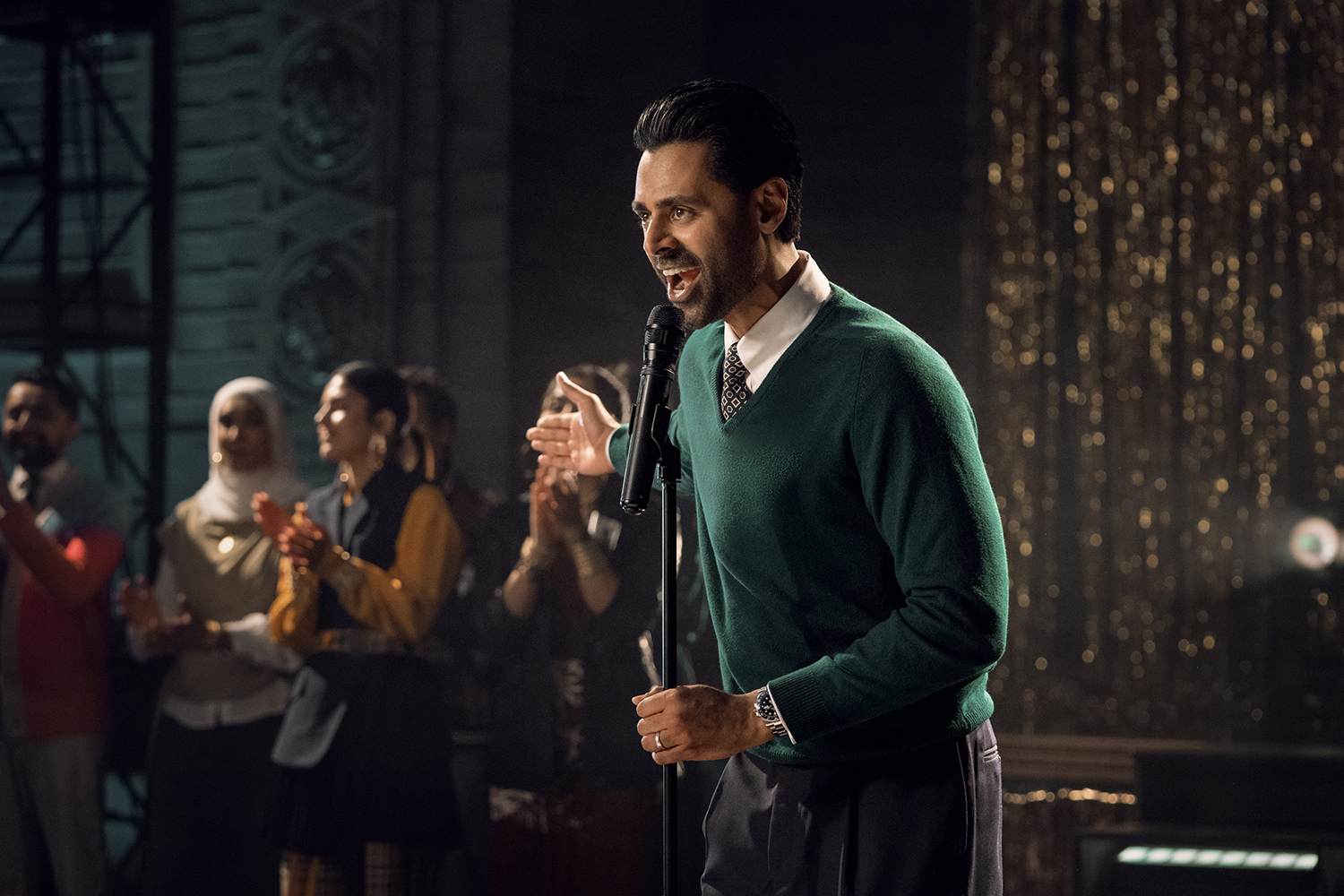
Best of the Best. (L to R) Hasan Minhaj as Hamza in Best of the Best. Cr. Emily V. Aragones/Netflix © 2026
Do you have a lot of nostalgia for the UC Davis days of building sets and costumes?
I would say that being in that circuit, being on one of these dance teams, it’s truly a masterclass in understanding human connection. It’s not about choreography, but it’s about human connection and learning how to deal with multiple personalities, take accountability, how to lead, and how to allow others to also lead. It created this blueprint for you for the rest of your life. Those were the years where I formed the majority of my foundation of how I move through the industry today.
Looking ahead, what do you hope to accomplish with your company, Joya Kazi Entertainment?
Oh my goodness. I would have to say that I’ve gotten to a point in my life where the vision boards and the goals that Joya from high school or college and her very Virgo self would have listed out for her actually no longer really exist.
I’ve gotten to a point in life where I’ve just kind of surrendered to the universe. In this line of work, as long as you focus on your knowledge, your training and your craft, what’s meant for you will always find you, and you can’t focus on that timeline.
Right now, we do have some really great projects coming up at the Disney parks. My touring show, Rhythm India, will go on tour again next year. And everything that shows up between now and then, it’s like I’m more than grateful for it. But I would love to take on other projects where I get to come in as, even in the very least, a cultural consultant.
I feel like that was probably one of my contributions that I’m most proud of, especially on this film, working very closely in tandem with Lena, Prashanth and Hasan on casting, making sure that we searched high and low. And I pitched people that I don’t even know multiple times, two, three times, just to get them into the room to give them a fighting chance.
So we had South Asian American bodies in the room, getting to also help shape the sets in the finale scene of the museum. So I made sure that we had meaningful artwork like Raja Ravi Varma’s painting Woman Holding a Fruit. So you’ll see those three paintings that come alive in that choreography, or even the displays.
I made sure we had Pattachitra pots from West Bengal. In our UT Dallas piece, that is a Pakistani dance that can be Islam-adjacent, but we have a set that’s a saloon bar. I wanted to make sure that it was still respectful and appropriate. And so we switched out any sort of alcohol for really fun drinks from South Asia like Fanta, Crush or Orange Crush and Rooh Afza.
So it’s like these sorts of things are so important and mean a lot to people when you have that voice in the room. And so I just truly hope that there are more opportunities to be able to represent our community in as best of a way as possible that I could do.