
![10th Jul: Naruto Shippuden (2017), 12 Seasons [TV-14] – New Episodes (6.55/10)](https://occ-0-4458-2430.1.nflxso.net/dnm/api/v6/0Qzqdxw-HG1AiOKLWWPsFOUDA2E/AAAABSKKCEPXApXDNpga4jPZt6MoHfrKNKJW1lzQ_iGX5hWbSdCoBIB9--IKqfuKbaIMh3Fy3sJLaidt2Oz4Pcmy-UrkcdbizrluecX9GYIqQy4Nl1zje4WMQ_YXW47Q_waBfPROwUiQn1sAdpOXCoU9xnRrRDYcmjKWLyEXGQGHAA.jpg?r=0ea "10th Jul: Naruto Shippuden (2017), 12 Seasons [TV-14] – New Episodes (6.55/10)")


Pictures courtesy of Netflix / Skydance Animation
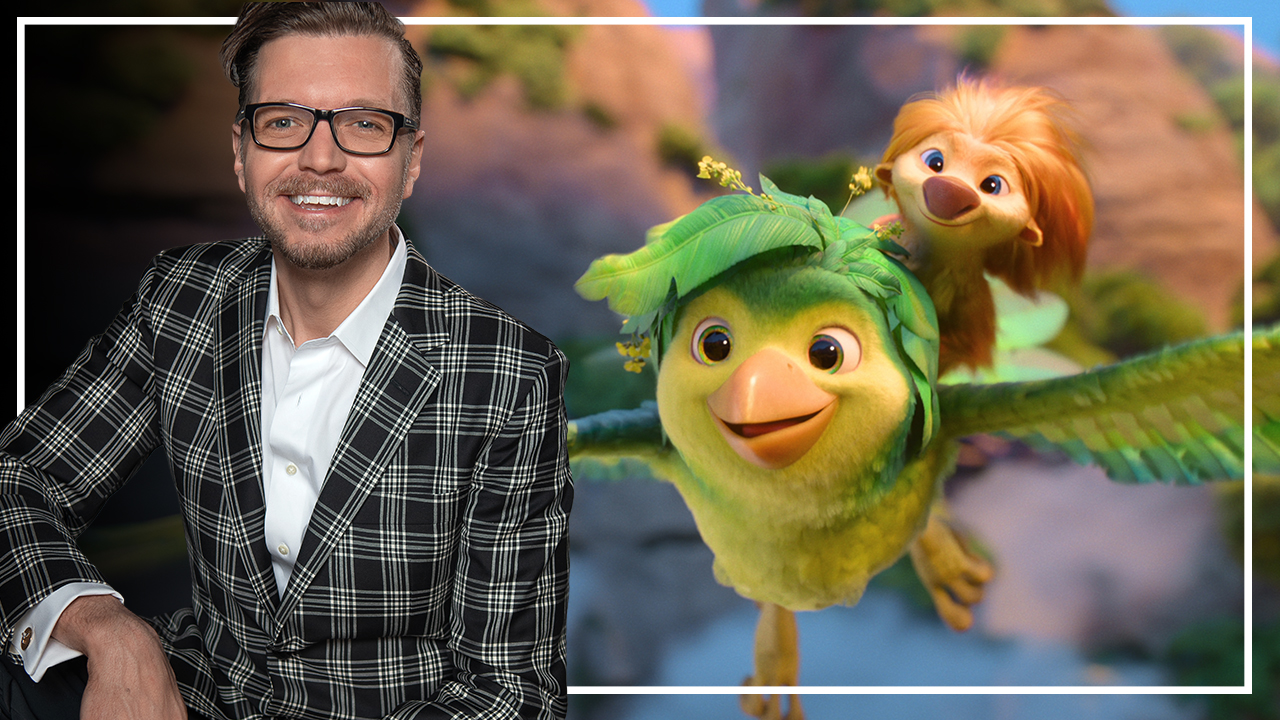
Skydance Animation’s Swapped has been in the works for upwards of six years, undergoing massive creative evolutions along the way. We sat down with director Nathan Greno to discuss how the film transformed from a story about super-powered teenagers to a grounded, nature-based tale of empathy, and how the team pulled off the incredible animation required for a cross-species body swap.
We’ve got more on the movie in our full preview, but below, we’re going to go deep into the development with the director and check back with us over the coming week as we’ve got more interviews in store.
Has this project been in the works for upwards of six years? What was the original pitch back when it was known as Pookoo, and what were the biggest creative evolutions that brought us to Swapped today?
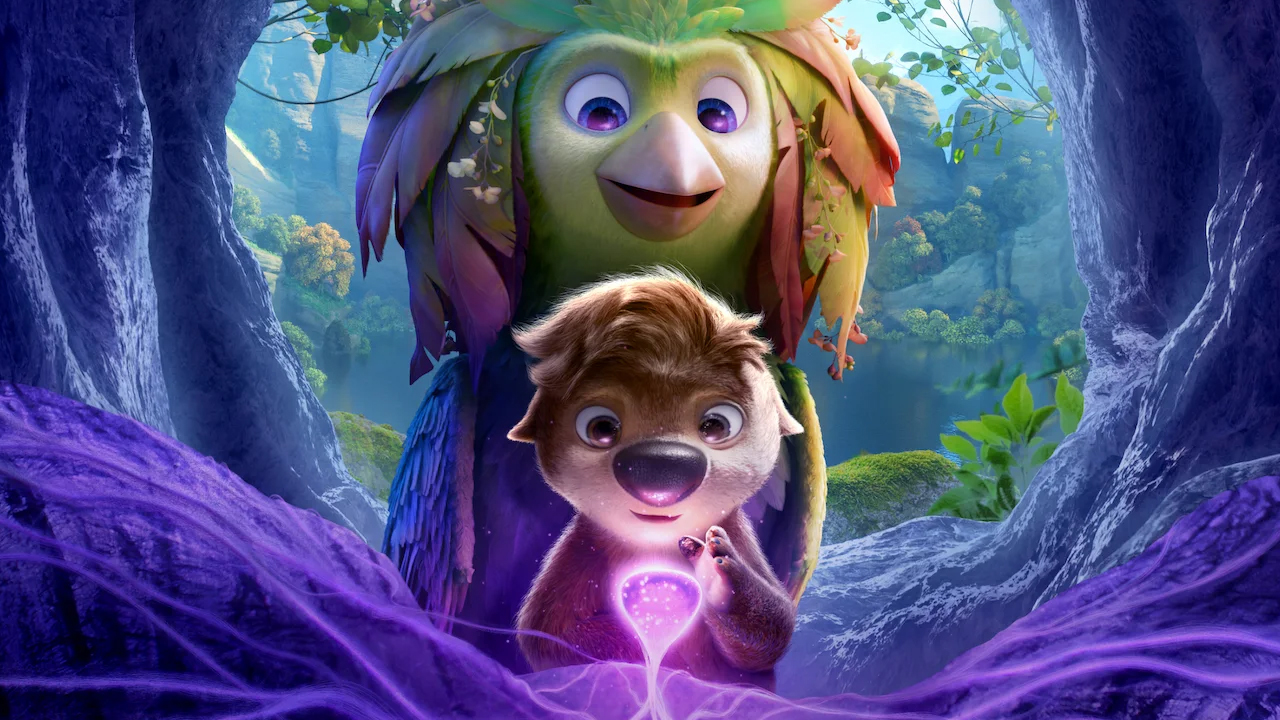
Yes. That’s a great question. The movie was always meant to be about empathy. So from the very beginning, that was the goal. Originally, oddly enough, it started out about a group of human teenagers who had superpowers, so it was very different in the beginning. The more it evolved, we got into this idea of using animals for the main characters, and then something called the Puku, which is the main species in the movie. So it evolved quite a bit from the very beginning of the project to where it is now. It couldn’t have been more different, except for the fact that it always has been about putting a project that says something great about empathy into our world.
The hybrid creature designs are incredibly unique. Since you drew heavily from nature documentaries, did you base these characters on specific real-world creatures, or was it more the case of designing the creatures to be different for the various environments and going from there?
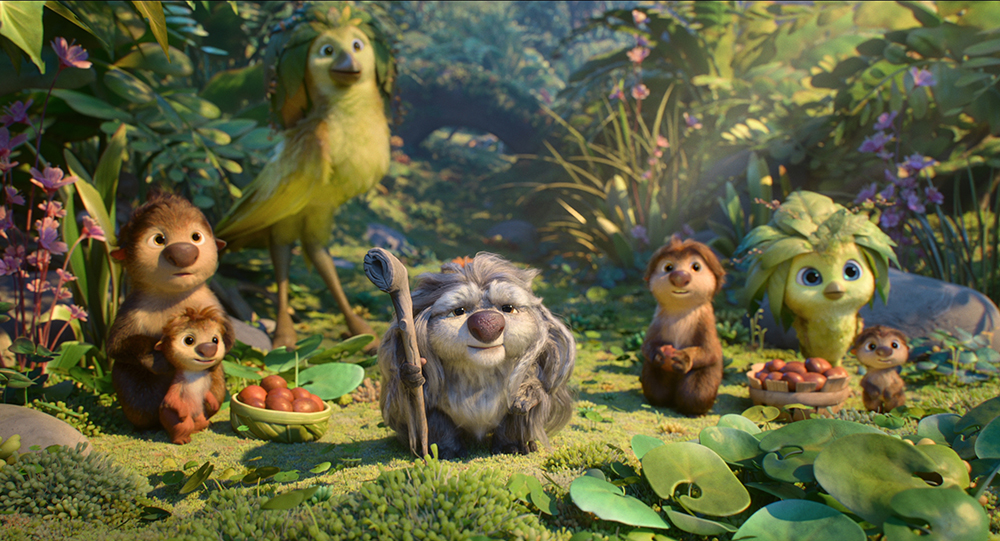
In telling a story about empathy, a big thing was: how do we not let the audience get ahead of the story? There have been transformation movies where the human transforms into an animal, and you always seem to get ahead of that movie because we’ve seen it before. To make it different, we thought, “What if we created our own creatures and our own species?” You come into it going, “What is all this?” which puts the audience in the same place as the protagonist, into a bubble.
But we wanted it to feel very grounded and believable. So yes, all the creatures in the valley are heavily researched based on existing animals in our world. We created a functioning ecosystem where everything was mapped. Even for something like our Booglefish, we did a lot of research on salmon. In our movie, the ecosystem actually works-where the sun comes from, the flow of the rivers, all of that. We did that to make it emotionally believable.
Cr: Skydance Animation/NETFLIX ©2026 Skydance Animation
You’ve praised the chemistry between Michael B. Jordan and Juno Temple, both now at the height of their careers. Their banter feels incredibly natural. Were you able to record them in the booth together to find that comedic rhythm, or how did you manufacture that live feeling during the edit?
That is the magic of animation. Unfortunately, they’re both very popular working actors, so it was hard to get them in the room at the same time. Initially, we wanted to have both of them together, but when that looked like a challenge, it fell on me.
As I would record one of them, I would go into a room with the other and try to bring everything that Juno brought to the table to Mike. I’d play the part of Juno. We tried to make it as natural as possible. Traditionally, in animation, you do one, two, or three takes. We didn’t do that; we just let it roll to see what we got out of it. In doing that, the script would change based on what Mike would do, and then I’d go back to Juno and say, “Okay, we’ve got this new idea from Mike.” I was a bit of a bridge between them.
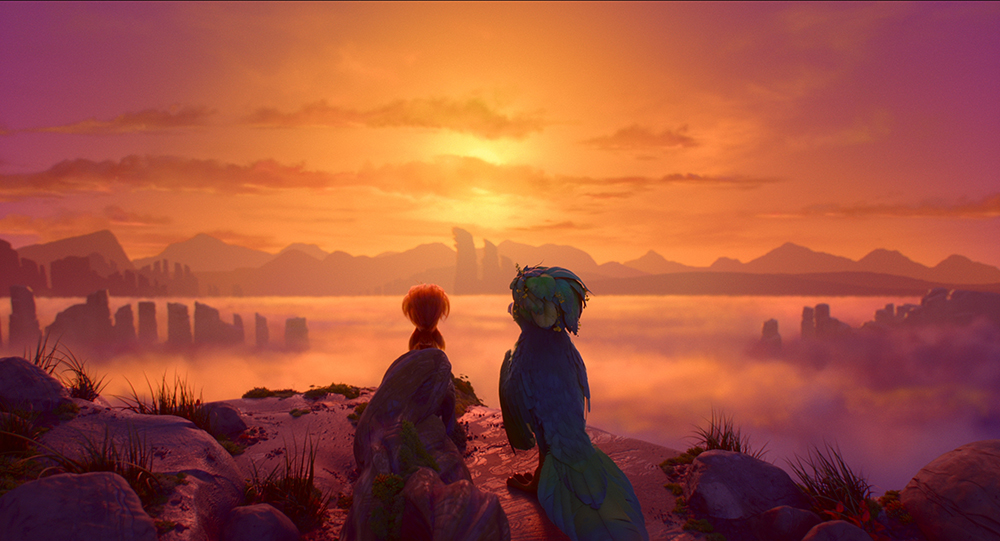
One of the key things that stands out in the film is the lighting and colors. How did you use the changing color palette and lighting to reflect the emotional journey these two characters go through after the swap?
I have to hand a lot of this to our crew. We wanted to really relate to the Pookoo because I think all of us, as we go through life, kind of see ourselves as the little guy trying to navigate a big, overwhelming world. So we thought it was a perfect opportunity to have the smallest creature in the valley in this big world.
We looked at countless nature documentaries on small creatures to figure out how we would shoot it, how the fur would work, and how to capture scale to make you feel like you were one of them. Then the transformation happens. That’s where things start to change: the focal lengths change, the color palette changes. It’s because our protagonist is seeing the world through different eyes. Even if you don’t pick up on all the subtleties, we wanted you to feel like you’re suddenly in a different body.
Cr: Skydance Animation/NETFLIX ©2026 Skydance Animation
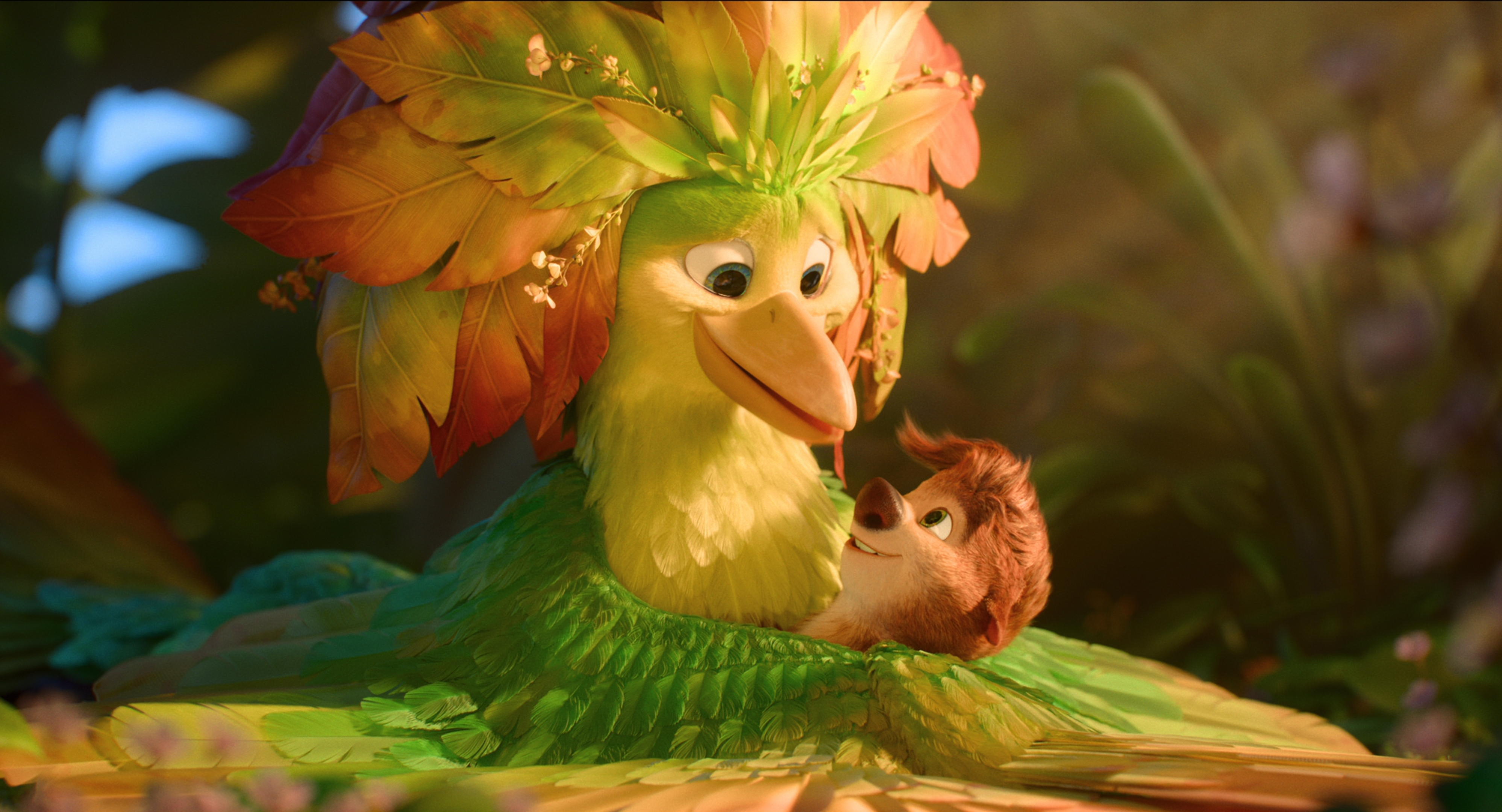
A body swap seems like a huge animation challenge since you’re layering one character’s personality onto completely different rigs. How did your team approach this pantomime, especially when translating tiny character details like Ivy’s distinctive hair onto a new body?
That was a huge challenge. We knew we were going to have characters transform, and a big part of it was: how do you not lose your connection with that character? Some people on the crew actually pushed back on the idea, saying they thought we were going to lose the emotional connection. That’s a fair note, and it only made us work harder.
We looked at shape language and details. Eye color was something that tied them all together, along with facial structure. For the animators, we talked right at the beginning about how Ali moves as a Puku. When he turns into a bird, mentally, he’s still a Puku. He’s not going to use his wings as wings; he’s going to use them as paws. It was a juicy challenge for the animators, and I really think they pulled it off.
Looking back at the production, is there a specific sequence or technical achievement where you looked at the dailies and thought, “I can’t believe the animation team actually pulled that off”?
That is a tough question because there’s so much in the movie that works. We set the bar very high on this film. You go through many different environments. There’s a fire in the movie, and the way they captured that fire is just mind-blowing. We also deal with going underwater and flying. Every time we threw a new challenge toward the team, they hit that high bar. It brought so much energy and life to making the film, and I think you feel it while you watch it.
Cr: Skydance Animation/Netflix ©2026 Skydance Animation
We thank Netflix and Nathan Greno for their time – lots more to come! Swapped arrives on Netflix on May 1st, 2026.