![26th Jun: Starship Troopers: Invasion (2012), 1hr 28m [R] – Streaming Again (5.9/10)](https://occ-0-82-999.1.nflxso.net/dnm/api/v6/0Qzqdxw-HG1AiOKLWWPsFOUDA2E/AAAABZ_r6N6Cd-OsL8-FjorBMA5DAW45Qy6xdm1Bkgk8qQnNQy5hcDdz9wVGZ8HOUo19B3GuWdZqyv_HtKL2tIm0wSuWgdOOTidV4Nwg.jpg?r=cb3 "26th Jun: Starship Troopers: Invasion (2012), 1hr 28m [R] – Streaming Again (5.9/10)")






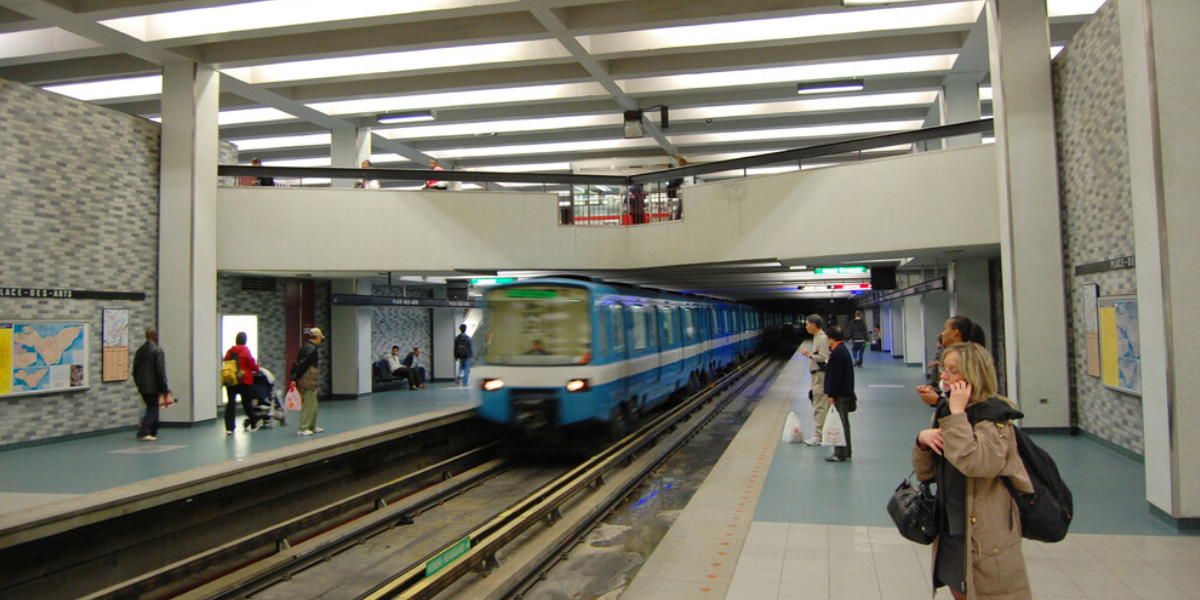
If you’ve ever stepped onto a Montreal metro platform and wondered why that escalator has been taped off for three months, or why the ceiling in one of the older stations looks like it belongs in an abandoned building, the STM’s new annual report has your answer.
According to the local transit system’s 2025 annual report released last week, the STM network’s infrastructure is now an average of 48 years old. When the STM went through its latest inventory, 46 percent of metro assets came back rated in poor or very poor condition.
For context, that covers 35 of the 68 stations across the entire network, 36 percent of the tunnels, and 60 percent of what the report calls auxiliary structures (things like ventilation systems, electrical equipment, and the mechanical infrastructure most riders never think about until something goes wrong).
The “asset maintenance investment deficit” has now reached $7 billion. And while that number keeps climbing, government funding has actually been going in the other direction.
“The state of our infrastructure is becoming increasingly critical and requires major investments,” the STM wrote in the report.
That is part of why the STM ran a public awareness campaign last year under the name “Notre metro est indispensable.” The message was aimed squarely at the province and city hall, essentially making the case that the metro is not a nice-to-have and cannot keep running on goodwill and patched-up parts forever.
The trains themselves are part of the problem. The MR-73 cars, the older ones that still run on the green, orange, and yellow lines, are now 50 years old. Their reliability rate is more than ten times lower than the AZUR trains that came after them. That gap shows up as more breakdowns, more delays, more mornings where the platform fills up because something upstream has stopped moving.
The STM says it has started early-stage planning for a replacement, but needs funding just to get through the studies.
None of this stopped the STM from closing 2025 without a deficit, which is its own kind of achievement given the year it had. As many Montrealers remember, multiple strikes hit multiple divisions. Meanwhile, international student numbers dropped after changes to federal immigration rules, and overall ridership fell 6.6 percent to 293.9 million trips. The agency still found $43 million in recurring savings through an ongoing cost-cutting plan, with a target of $100 million total by end of 2026.
The 10-year capital investment needs for the system are pegged at $25.8 billion. Whether that money materializes is a different question entirely.